
Tórshavn
"The parliament buildings have turf roofs and date back a thousand years — that tells you exactly what kind of capital this is."
I arrived in Tórshavn in the middle of the afternoon on a ferry from Vágar, the boat sliding past painted wooden warehouses and the low concrete jetties of the commercial port before docking beside a cluster of old buildings that looked, from a distance, like they had been arranged by a child with a box of colourful blocks. The capital of the Faroe Islands is compact enough to understand in a day, but it took me four before I stopped finding corners I hadn’t seen.
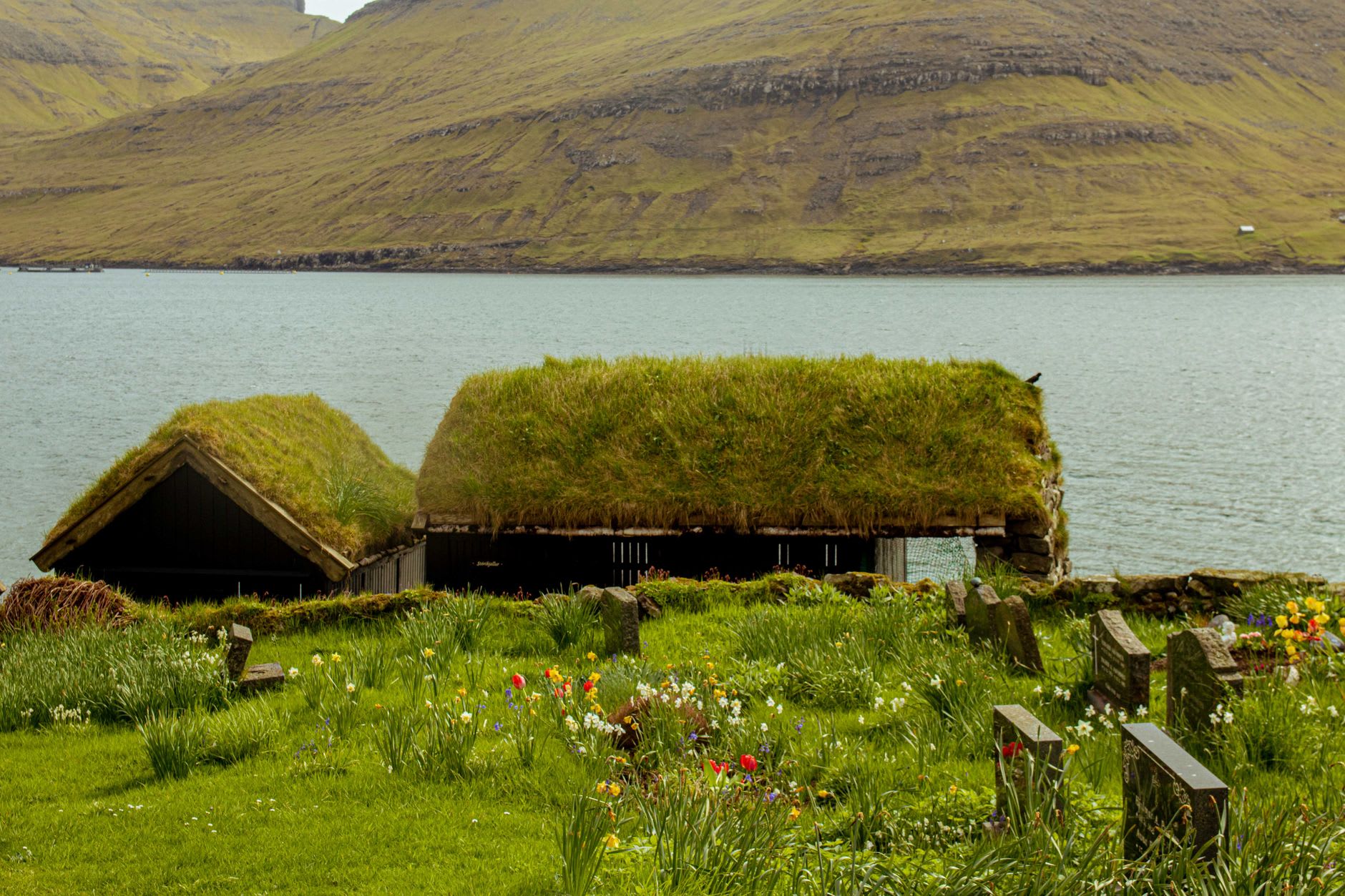
The old town — Tinganes — occupies a small peninsula that juts into the harbour, and it holds some of the oldest continuously used government buildings in the world. The parliament structures are red-painted wooden constructions with turf roofs, mossy and ancient-looking, which feels entirely appropriate for a nation whose legislature, the Løgting, is one of the oldest functioning assemblies anywhere. Walking the lanes between these buildings, cobblestones uneven beneath my boots, I could smell the salt coming off the water and the faint sweetness of wet grass from the rooftops above.
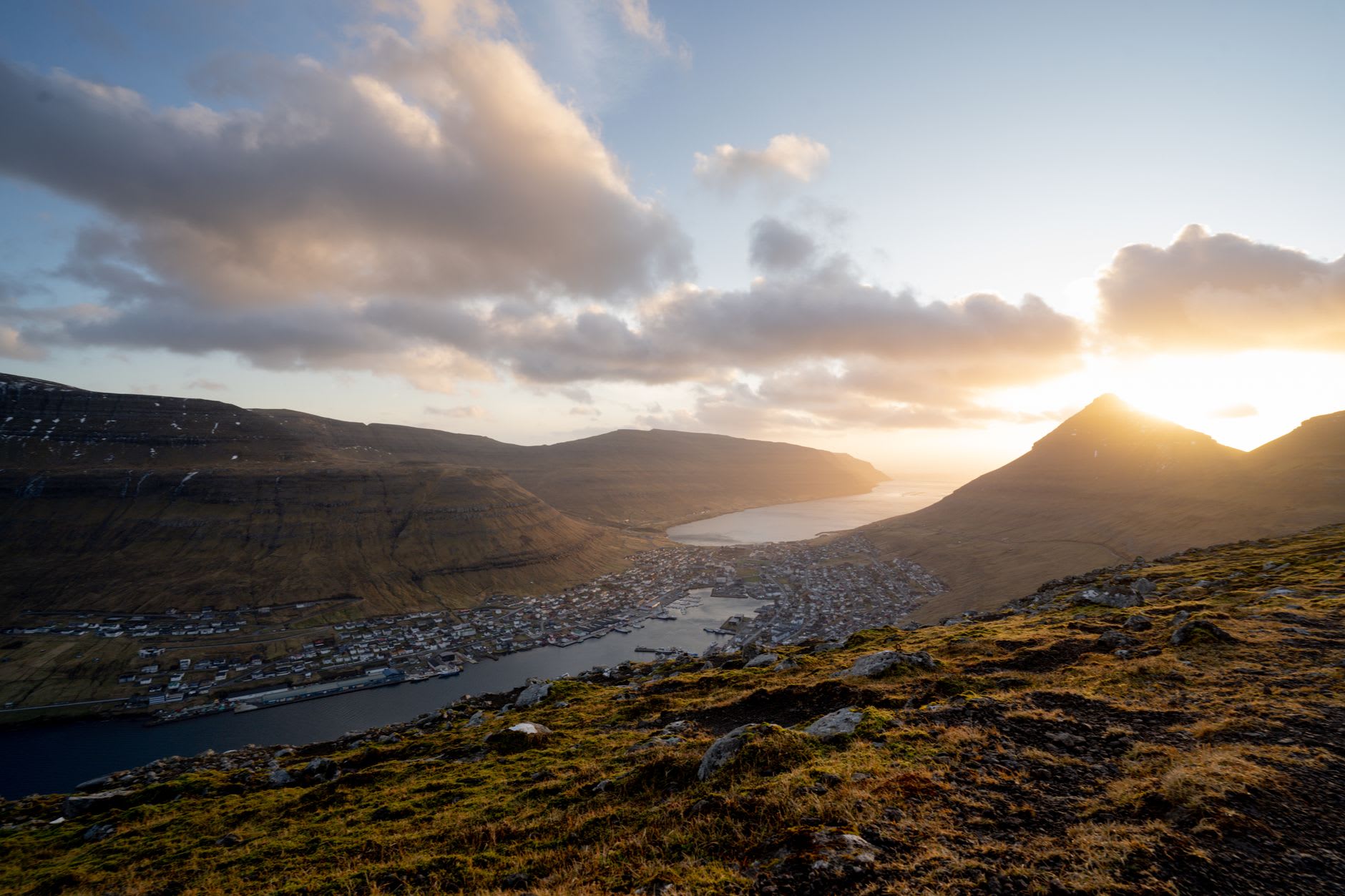
Coffee culture arrived in Tórshavn sometime in the past decade and took hold with the conviction of a place that had been quietly waiting for it. The café on Áarvegur I kept returning to served filter coffee in ceramic mugs and had a cinnamon bun in the window that was aggressively good — dense, sticky, impossible to eat without ordering a second. The bakeries here understand that when the weather is reliably difficult, pastry must compensate. I had lunch on two consecutive days at a restaurant in the old harbour that served fermented shark in a small wooden box alongside butter and flatbread. I will not pretend the shark was pleasant, but it was authentic in the most serious possible sense. The skerpikjøt — wind-dried mutton on dark rye — was another matter entirely. I ordered it without knowing what to expect and found something that tasted like the islands had distilled themselves into a single strip of meat: fermented, rich, nothing like anything a European city would serve under that description.
In the evenings I walked north along the harbour past the fishing boats and the small yachts rocking gently in their berths. The sky does something specific over Tórshavn around nine in the evening in June — a low, diffuse glow that never quite darkens, the light staying on the water long after it has left the hillsides. The town fills with the sound of conversations drifting from open windows, vowel-heavy and accented in a way that suggests something between Scandinavian languages and something considerably older. I found it deeply calming. There is a particular pleasure in a capital city that has not yet decided it needs to be more than it is.
When to go: Tórshavn is accessible year-round as the main port and hub, but June through August offers long evening light that turns the harbour gold. The Ólavsøka festival in late July fills the town with rowing races and street celebrations — the most vivid the capital gets all year.