Sea Lion Island
"I was watching a sea lion pup when an orca surfaced twenty metres offshore. Some wildlife moments are so close they stop feeling like wildlife moments."
Sea Lion Island sits at the bottom of the Falkland archipelago, which means it sits at what feels, on a windy October afternoon with the South Atlantic running grey and rough to the south, like the bottom of everything. The flight from Stanley takes twenty minutes in a small Islander aircraft, and the pilot points out things below with a cheerfulness that suggests he has never once found the landscape monotonous. The grass landing strip ends near the shore. You can see the sea on two sides from the aircraft door before you have even stepped out.
The elephant seals were waiting.
Not for me specifically — they were waiting for nothing, in the profound, total way that large marine mammals rest. Southern elephant seals are the largest seals on earth, and the bulls, which can reach four metres and weigh over two tonnes, take up an amount of beach that seems designed to communicate their complete disinterest in sharing it. A group of twenty or thirty had hauled themselves above the tideline and were arranged in overlapping piles, breathing in slow cycles, occasionally raising a head to bellow at a neighbour who had rolled too close. The sound — a deep, wet, resonant rumble — carried across the island on the wind. I smelled them well before I saw them.
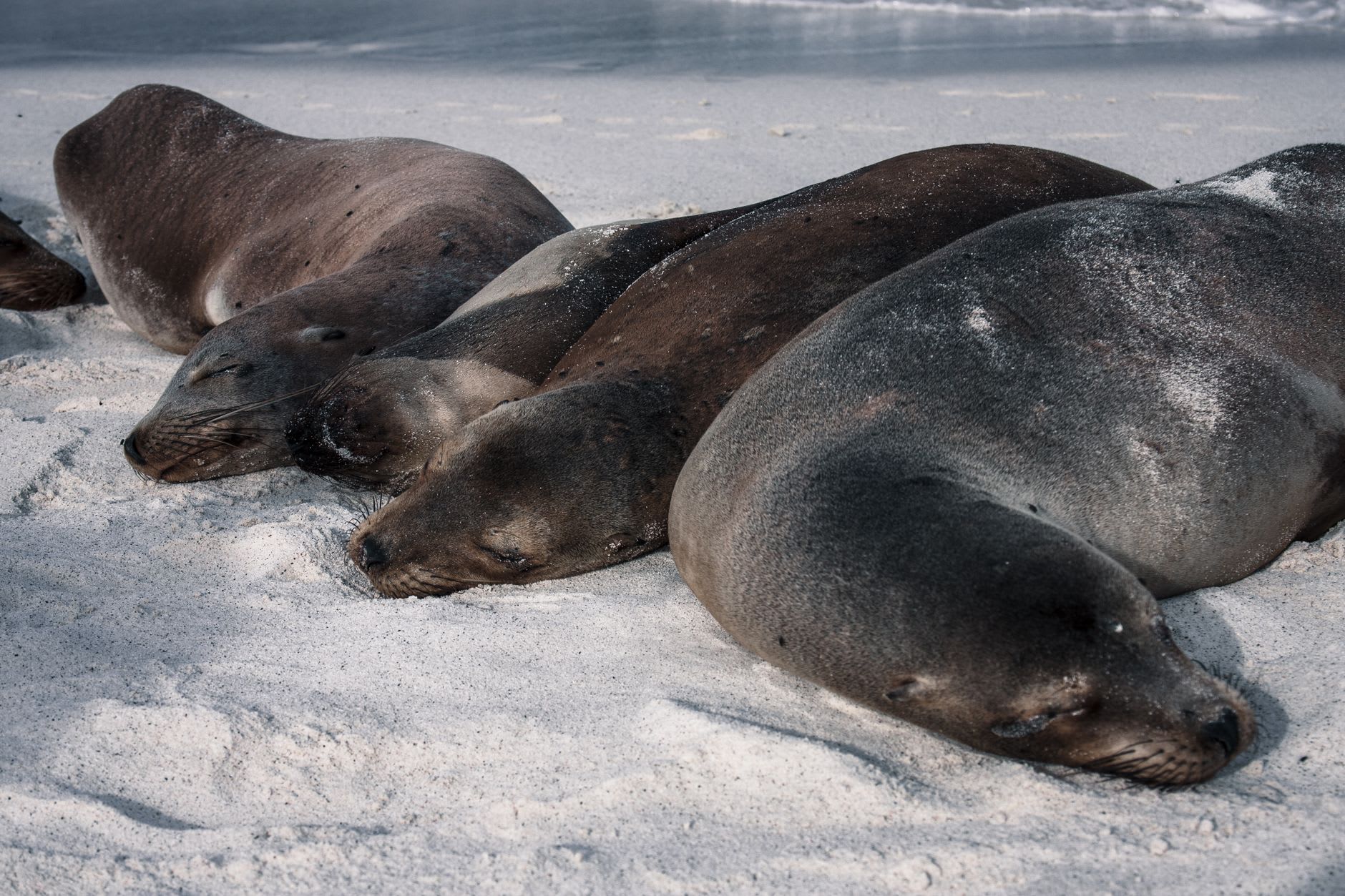
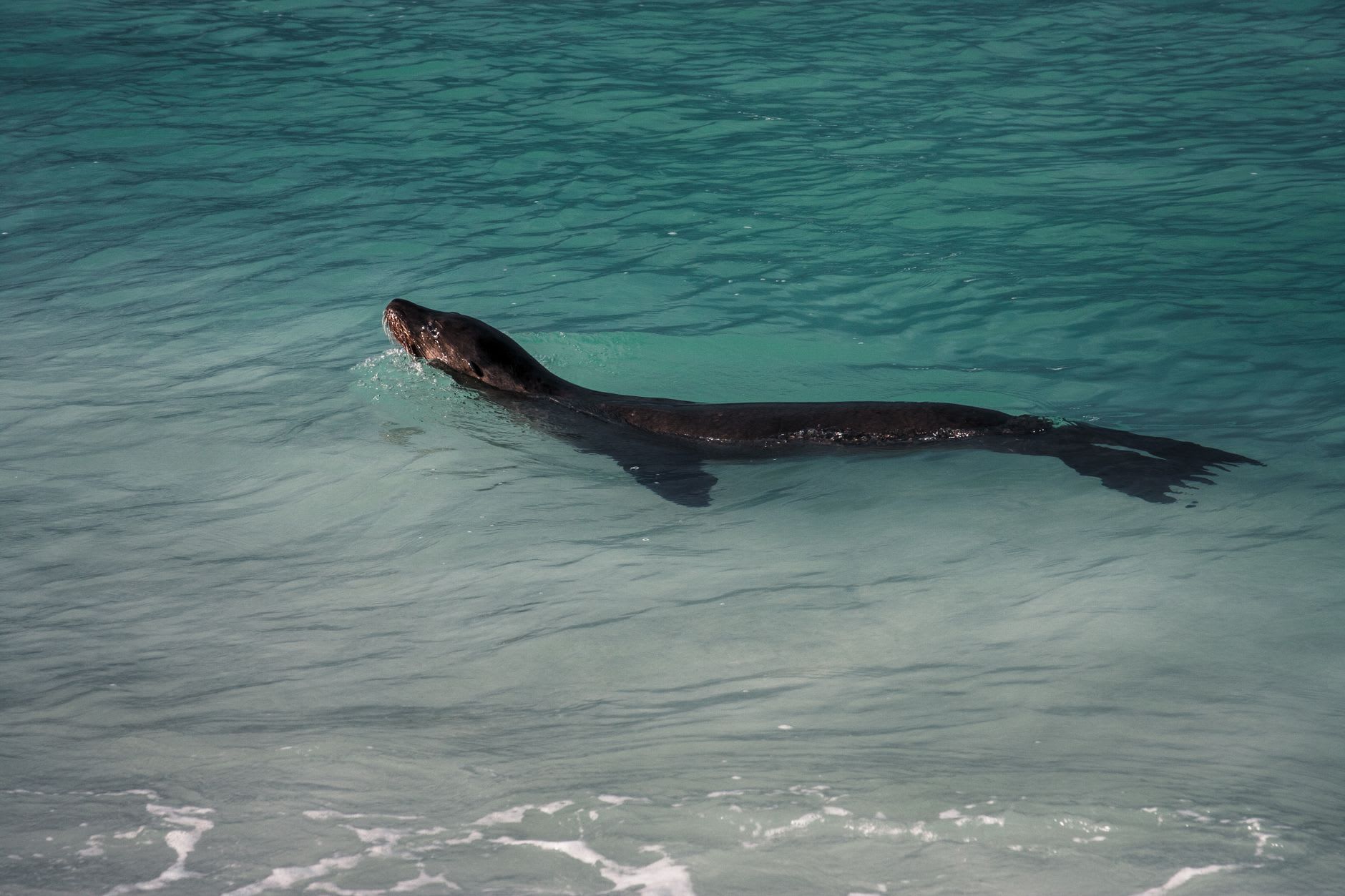
The southern sea lions for which the island is named occupy a different stretch of shore — rockier, more turbulent — and they are entirely different in temperament. Where the elephant seals have the lethargic confidence of something too large to worry, the sea lions are kinetic, watchful, and quick. Pups play in the shallows, their movements already fluent in a way that makes them look entirely unlike the waddling creatures on land. Bulls patrol and threaten. The colony smells different too — sharper, fishier, more alert.
I was crouched at the edge of the sea lion beach late one afternoon, watching a pup investigate a strand of kelp, when the orca’s dorsal fin broke the surface. Twenty metres out, perhaps less. It came and went in three or four seconds — a black triangle cutting the swell, the white eye patch visible for a moment — and then it was gone, or at least invisible, which is not the same thing as gone. The pup had frozen. I had frozen. The whole beach seemed to hold itself still for a long beat before resuming its previous business.
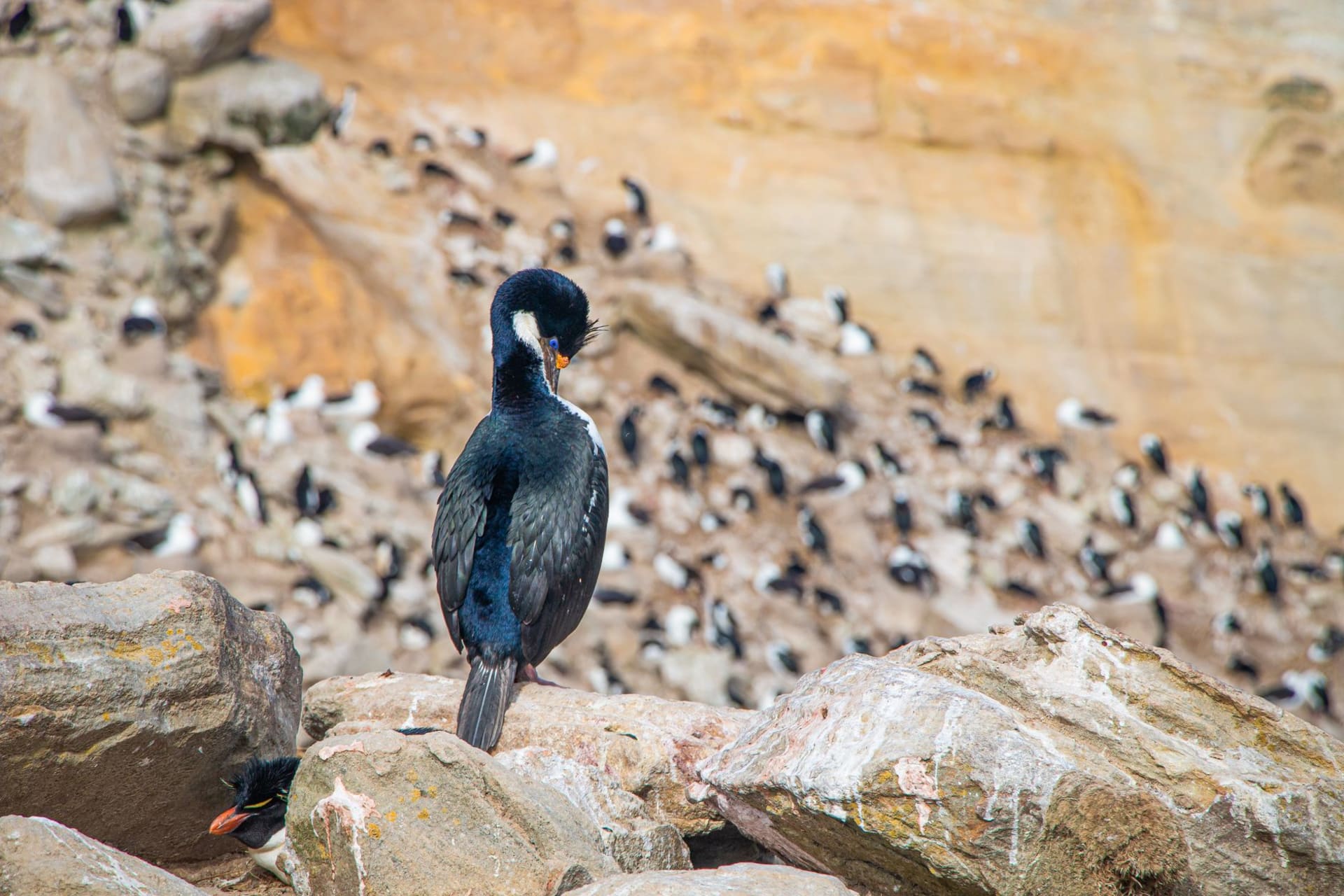
The island also holds gentoo and rockhopper penguin colonies, and the walk across the island to the southern cliffs, where the rockhoppers clamber up through the kelp and the albatrosses catch the updraft in lazy circles, takes you through tussock grass that grows taller than your shoulders in places. It is disorienting in the best way — you can lose the horizon completely and have no reference point except the sound of the wind and, if the timing is right, the distant honking of a penguin.
The lodge is small, warm, and serves food that tastes specifically of this place — Falkland lamb, freshly caught fish when the weather permits, and soup that comes in quantities suitable for people who have been walking in wind all day. In the evenings, with the sky going dark and the elephant seals moaning on the beach outside, the sense of being very far from everything that usually claims your attention is total and, unexpectedly, very comfortable.
When to go: October through November for elephant seal pup season and the full drama of the bull jousting. Orca activity is highest in January and February. The lodge books out months in advance; plan a full year ahead if possible.