
Port Howard
"Port Howard is where you understand what self-sufficiency actually looks like when it has been practised long enough to become culture."
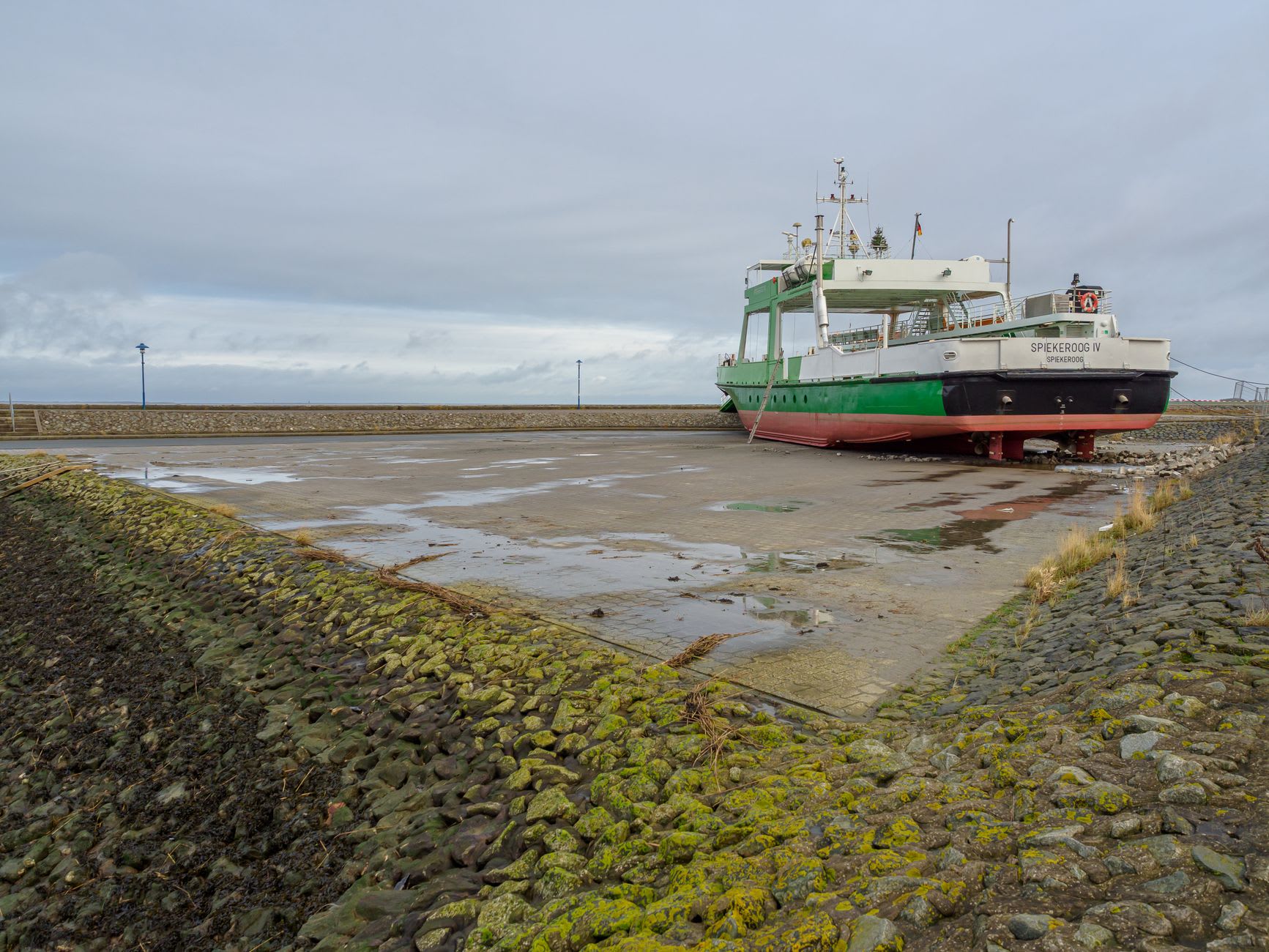
The ferry crossing from East to West Falkland — three or four hours across Falkland Sound, depending on the weather, which in the Falklands always gets a vote — gives you time to watch the eastern island recede and the western one approach and to think about the nature of crossing things. Falkland Sound is not an ocean but it is substantial, and the wind that channels through it produces a chop that has made many visitors reconsider their relationship with motion sickness remedies. I stood at the bow for most of the crossing, watching the water and the occasional dolphin, and arrived at Port Howard’s jetty with red cheeks and a particular appetite.
Port Howard is the largest settlement on West Falkland, which tells you something about the scale of West Falkland. The population is measured in dozens. The farms here — one of which, the Port Howard Farm, covers land equivalent to a small English county — operate on a scale that requires its own workshop, its own fuel depot, its own medical supplies, because when you are this far from anywhere, the alternative is to go without. The main farmhouse, which now operates as a small lodge, sits above the inlet with a view that takes in the entire water approach and the opposite hillside, and there is a quality of positioning to it — a deliberate sightline — that speaks to generations of people who needed to see whatever was coming from a long way away.
The 1982 war museum in the settlement is the most personal I visited in the Falklands. Port Howard was occupied by Argentine forces for the duration of the conflict, and the collection of Argentine military equipment, personal effects, and documents recovered from the surrounding countryside has been assembled and maintained not by a heritage organisation but by the farming families themselves. A pair of Argentine army boots, a field radio, a stack of love letters recovered from an abandoned position in the hills — the items are presented with a directness that formal museums rarely achieve. There is no interpretive agenda beyond: this happened here, these people were here, these are the things they left.
Mount Maria rises behind the settlement to just over 700 metres, and the walk to its summit is the best available in the West Falkland interior. The quartzite ridgeline is part of the same geological formation as the stone runs visible throughout the islands — rivers of loose boulders deposited by periglacial processes during the last ice age, lying still now in the valleys like frozen waterways. From the top on a clear day, the whole of Falkland Sound opens to the east and the West Falkland uplands roll away to the south and west, brown and trackless and genuinely immense.
In the evenings, dinner at the farmhouse lodge is served communally at a long table. The lamb is from the farm — killed that morning, cooked well, tasting exactly like an animal that has spent its life on a hillside eating tussock in a clean wind. I sat next to a woman who had been born on this settlement, left for school in Stanley at seven years old, and returned in her thirties and had not left since. She found the concept of traffic lights mildly baffling and was entirely sanguine about this.
When to go: November through February for hiking and long days. The ferry crossing runs year-round but schedules are weather-dependent. The 1982 museum can be visited any time; access is through the farm lodge. Advance booking is essential — capacity is extremely small.