A former sultanate capital in Ethiopia's southwest, where royal history and the birthplace of coffee share the same red earth.
Lia and I got to Jimma the way most people seem to — half by plan, half by rumor. Someone in Addis had told us that if we wanted to understand where coffee actually comes from, not the export version but the plant itself, we had to go southwest. What we didn’t expect was to spend our first afternoon in the courtyard of a king’s former palace, listening to a guide explain how the Kingdom of Jimma Abba Jifar, an Oromo Muslim sultanate, ran this entire region for most of the 19th century before it was folded into the Ethiopian empire in 1932. It’s one thing to read that in a guidebook and another to stand in the reconstructed royal residence at the Jimma Museum and realize how recent that history is — barely a hundred years since a king held real power here.
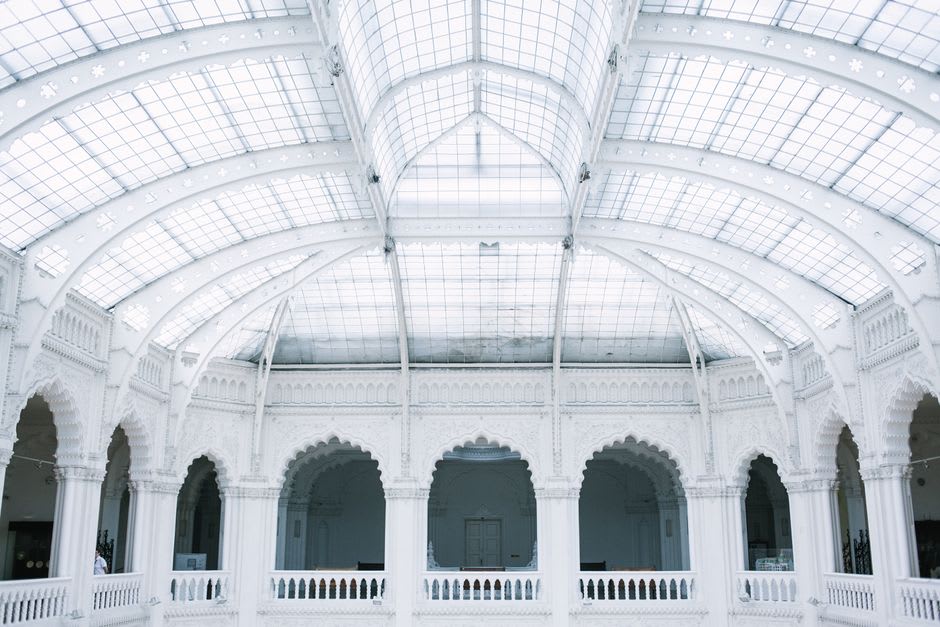
The museum grounds took longer than I expected — the mosque built alongside the palace, the regalia cases, a guide who clearly loved this history and wasn’t going to let us rush through it. Lia kept stopping to photograph the light coming through the mosque’s windows, and I remember thinking that this was the first place in Ethiopia where I felt like I was standing inside a specific, named story rather than a general sense of “ancient.” Abba Jifar II wasn’t an abstraction here; his chair, his weapons, his private rooms were right in front of us.
But it’s the coffee that stays with me most. Jimma zone is widely considered part of the actual birthplace of Coffea arabica, and once you know that, everything about the surrounding hills reads differently — the wild coffee growing in forest shade, the smallholder farms, the sheer density of it. We drove out past the edge of town one morning and just stopped at a roadside stand where a woman was roasting beans over charcoal, and I bought a small paper cone of them without really planning to, just because the smell pulled me over.
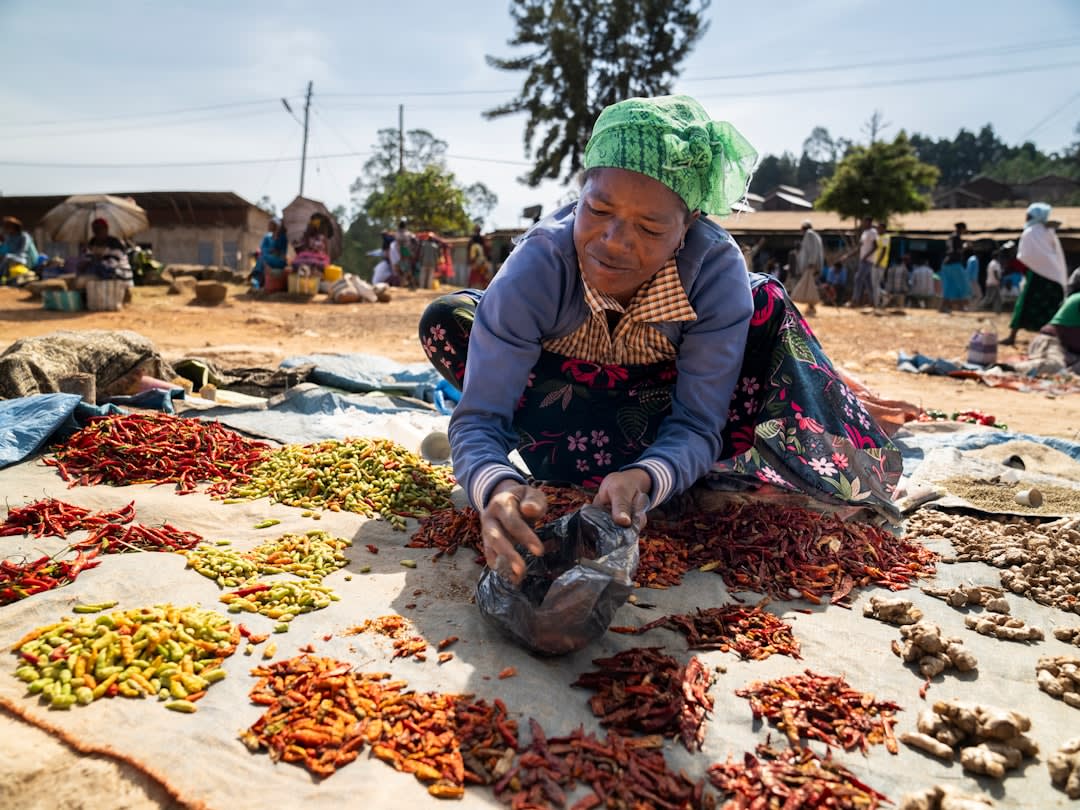
Jimma itself is a working town more than a postcard one — a real trade and market hub for southwestern Ethiopia’s agricultural exports, trucks loaded with sacks, traders shouting prices, none of it staged for visitors. I liked that. We ate injera with a spicy shiro at a small place near the market that a shopkeeper pointed us to, and I still think about how ordinary and unpretentious the whole day felt, history and commerce sitting right next to each other like they’d never been separated.
When to go: If you can, time your visit to the coffee harvest, roughly October through December, when the farms and markets around Jimma are actually processing the beans — it’s a completely different experience than seeing empty drying beds the rest of the year.
Keep exploring
More from Ethiopia
 ethiopia
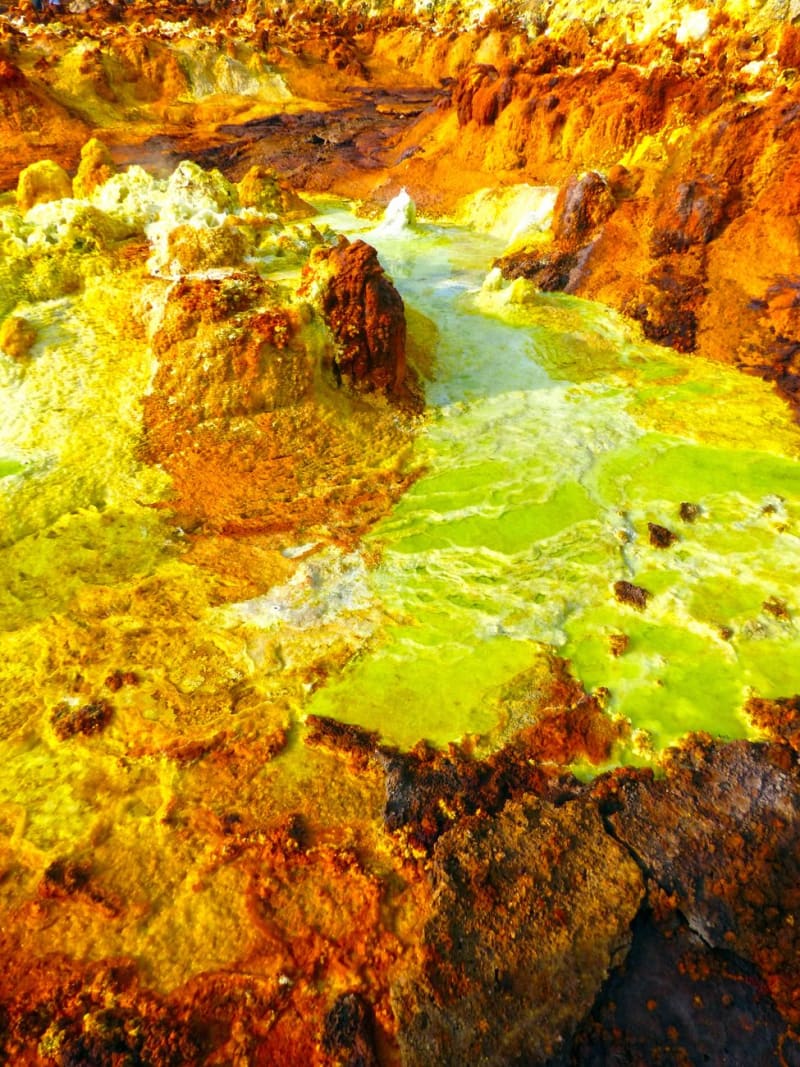
 Lake Tana
The vast highland lake that gives birth to the Blue Nile, its forested islands hiding centuries-old monasteries reached by motorboat and the occasional papyrus canoe.
Explore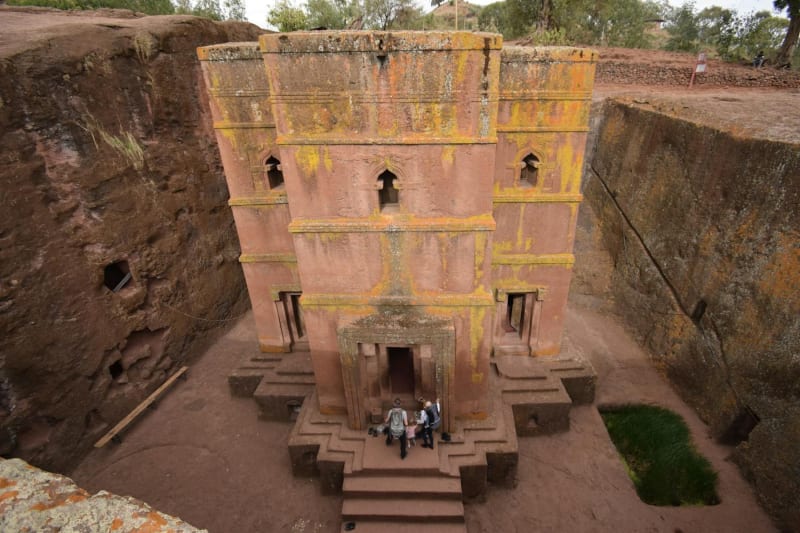 ethiopia
 Lalibela
Eleven rock-hewn medieval churches carved below ground — Ethiopia's Jerusalem, still alive with Orthodox pilgrimage.
Explore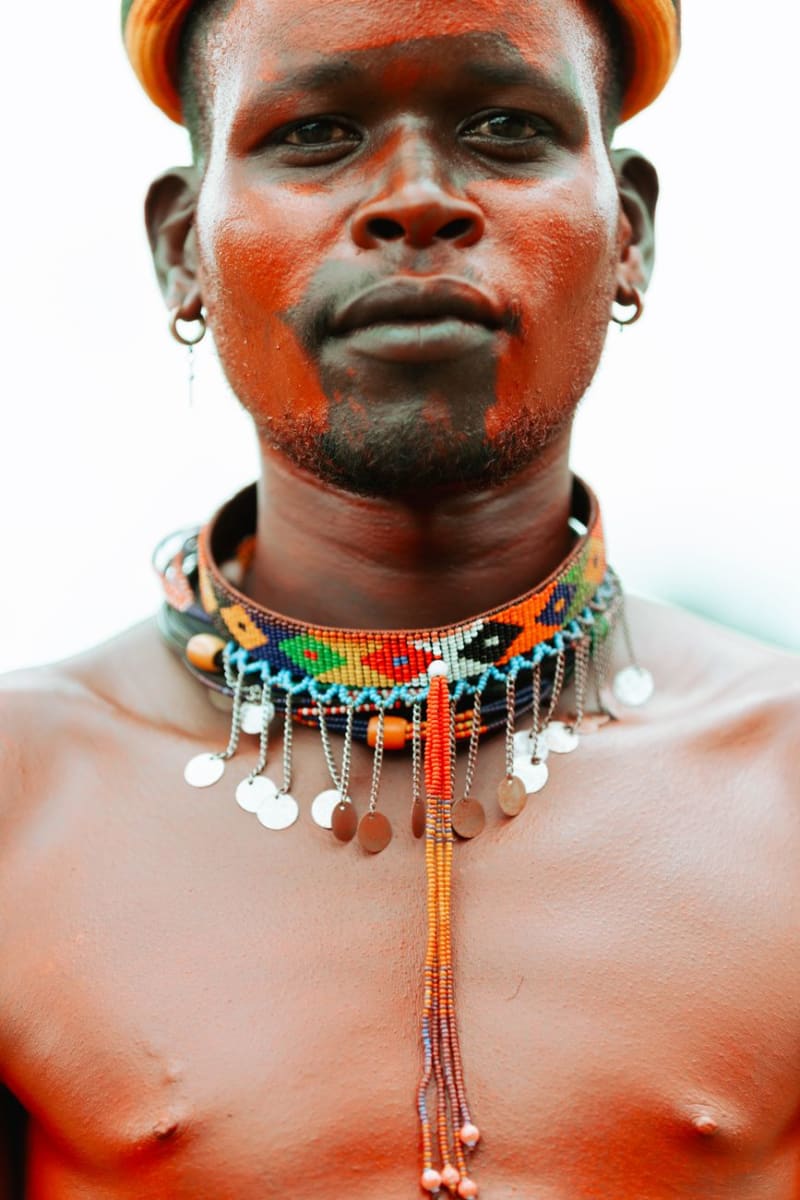 ethiopia
 Omo Valley
Home to dozens of indigenous tribes who have preserved ancient traditions of body decoration and cattle culture.
Explore ethiopia
 Simien Mountains
UNESCO highlands trekked by gelada baboons and lammergeiers, with escarpment views that steal all language.
Explore ethiopia
 Tigray
A northern Ethiopian region of sandstone escarpments and cliff-face churches where priests guard ancient manuscripts in rooms that took ropes to reach.
Explore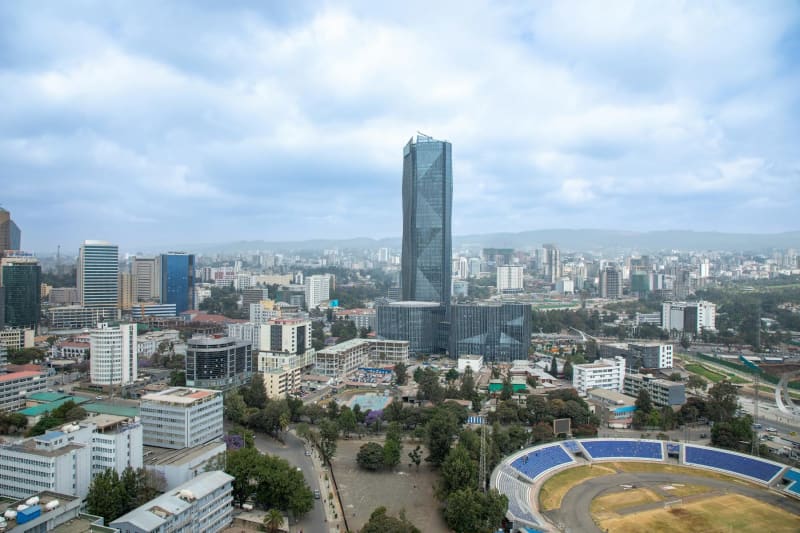 ethiopia
 Addis Ababa
Africa's diplomatic capital — Lucy's bones, the finest coffee ceremony, and a city permanently under reinvention.
Explore