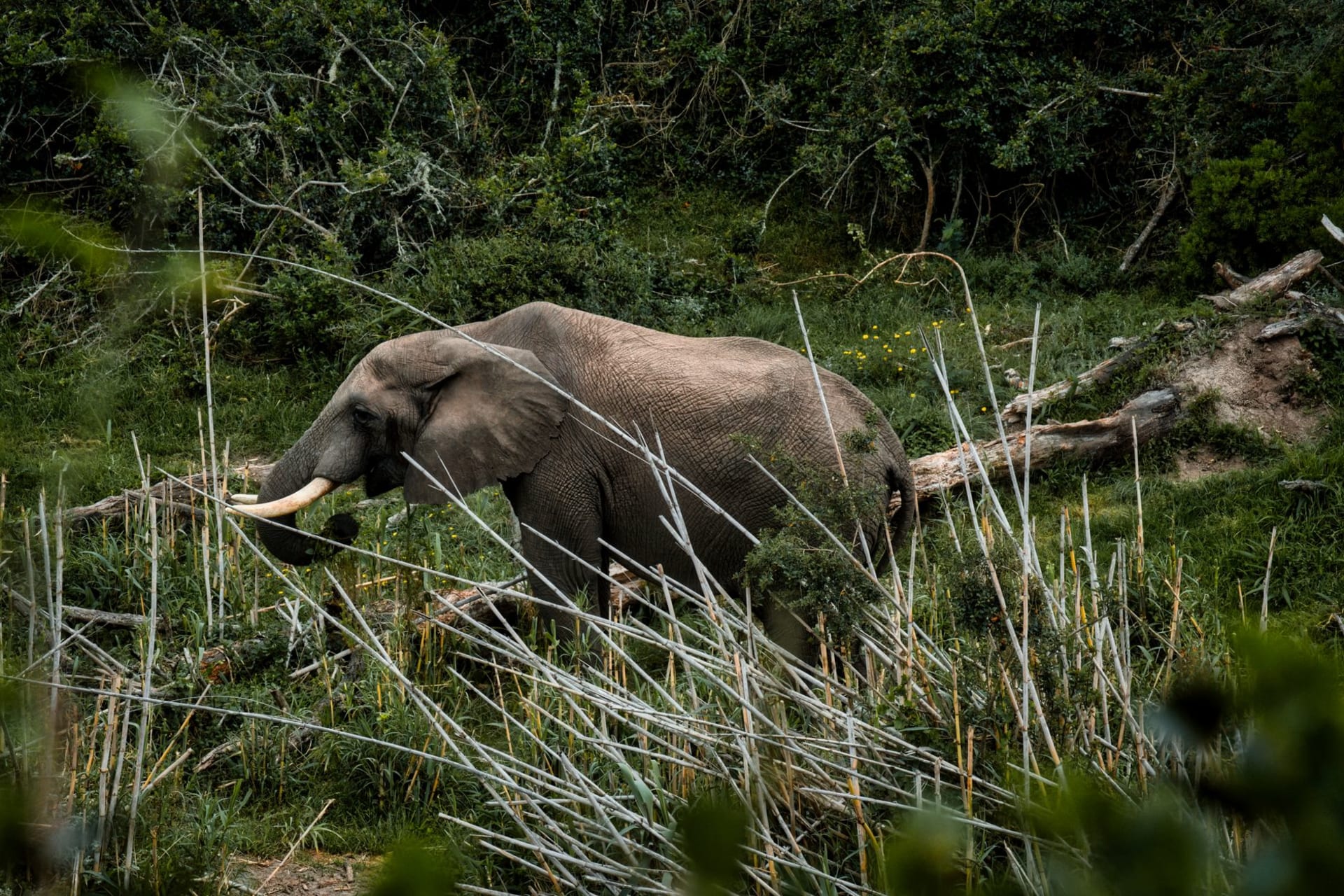
Mlilwane Wildlife Sanctuary
"I almost cycled into a warthog. The warthog looked far less startled than I was."
Mlilwane is the place in Eswatini where I first realized that my standard instincts about wildlife were going to be continuously wrong here. I had rented a mountain bike from the main camp and was riding the valley trail — a red dust track looping through open grassland and sparse acacia — when I came around a curve and nearly collided with a warthog moving at surprising speed in the opposite direction. The warthog grunted, swerved, and kept going. I stopped, heart genuinely elevated, and then started laughing because the whole encounter had the quality of a minor traffic incident rather than anything I’d been conditioned to expect from African wildlife.
Mlilwane is the country’s oldest sanctuary, founded in the 1960s by Swazi conservationist Ted Reilly on land that had been heavily hunted. It is no longer home to predators — they were absent from its original restoration — which means the grazing wildlife here is entirely without the tension you carry into parks where lions exist. Wildebeest, zebra, impala, oribi, and warthog move across the open grassland without particular attention to the paths or the people using them. Hippos occupy the small dam near the main camp with the permanence of furniture.

The sanctuary sits in the broad valley floor of the Ezulwini, surrounded by the dramatic quartzite ridges of the Nyonyane massif. The Swazi name for the massif — Execution Rock — carries a certain weight when you stand beneath the vertical faces in the late afternoon and understand that this landscape held significant ceremony for the royal court over centuries. The rock itself, seen from the valley, has the blocky solemnity of something that has not needed to explain itself.
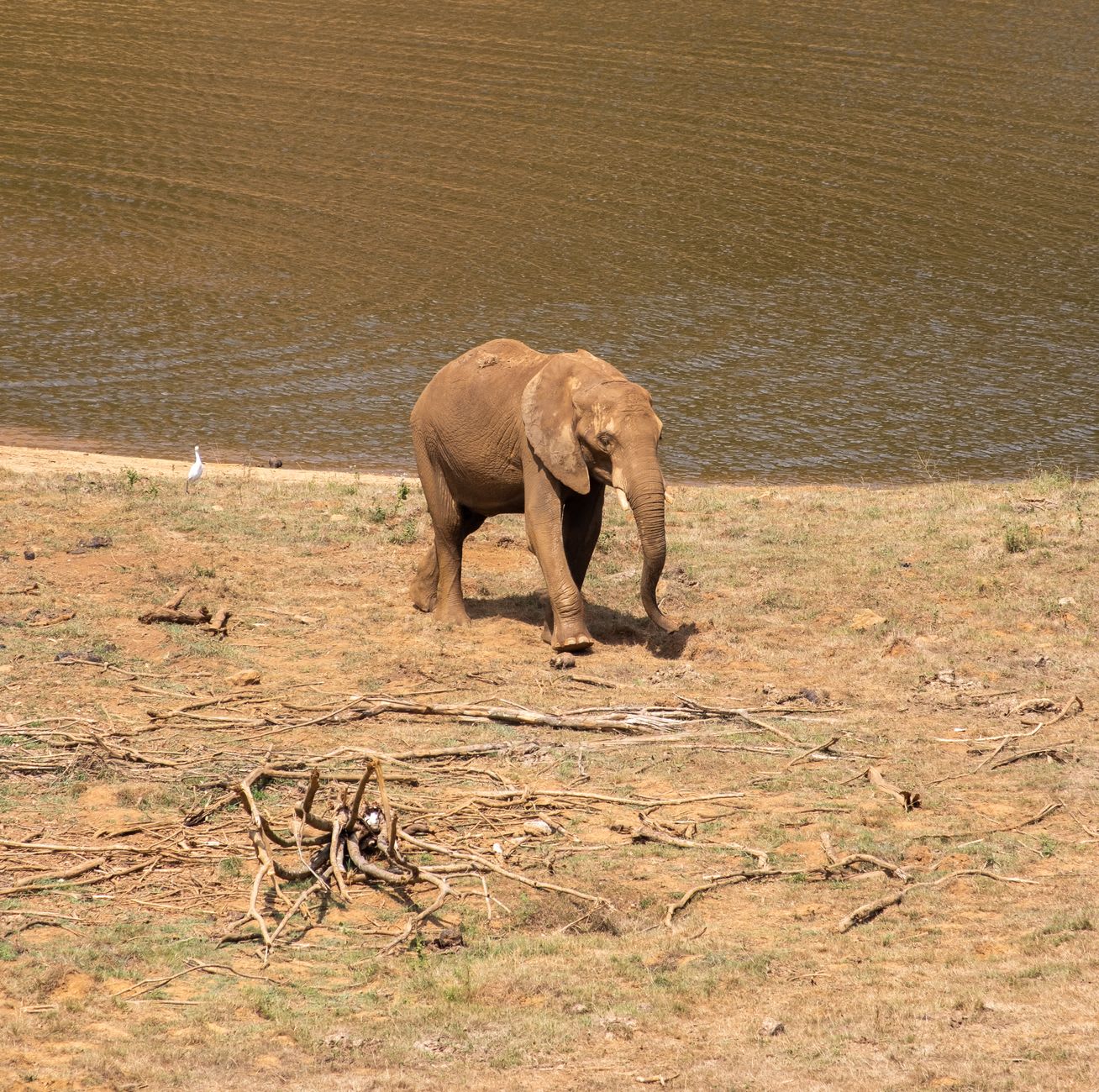
I spent a morning on foot with one of the sanctuary’s walking guides, a quiet man named Justice who had been working in Mlilwane for fifteen years and who tracked animal sign with the casual fluency of someone who has stopped finding it remarkable. He pointed out rhino tracks in the mud near the dam — white rhino, he said, a family that comes every third or fourth night. We waited near the waterhole at dusk and they didn’t come, but the waiting itself was good.
The camp accommodation ranges from traditional beehive huts to a restored colonial farmhouse, and the main camp has a restaurant serving Swazi food that is better than it needs to be given the captive nature of the audience. The braai area fills with local families on weekends, which gives the place a pleasant quality of being actually used rather than staged for visitors.
When to go: Year-round — Mlilwane has no bad season. The summer rains bring vivid green grass and active birdlife, while the dry season offers clearer views of the surrounding ridges. September and October are particularly good for game watching as animals concentrate near the dam before the rains arrive.