
Mkhaya Game Reserve
"There are fewer than 6,000 black rhino left on earth. At Mkhaya, I was close enough to count the creases in the skin."
Access to Mkhaya is not self-drive. You meet a ranger at a designated point off the main Manzini-Siteki road, transfer into a reserve vehicle, and enter on those terms. The protocol is part of the experience — an immediate signal that this is not a standard game reserve with roads and picnic sites and the comfortable distance of a windscreen. Mkhaya was established in the 1970s by the Swazi royal family specifically to protect the country’s remaining black rhino population, a species that had been hunted to near-extinction throughout the region. The reserve has been expanding its white rhino numbers too, but it is the black rhino that defines the place, and black rhino are a different proposition entirely from their white cousins.
Where the white rhino I’d watched at Hlane had the quality of massive serenity, the black rhino I encountered at Mkhaya felt wary and alert, its curved prehensile upper lip reaching for acacia leaves at shoulder height, its ears rotating like small radar dishes. The ranger beside me communicated the required distance in whispers — black rhino charge without the long warning sequence white rhino give you. We watched it for perhaps fifteen minutes before it moved into denser bush, and the intensity of attention that fifteen minutes required left me genuinely tired.
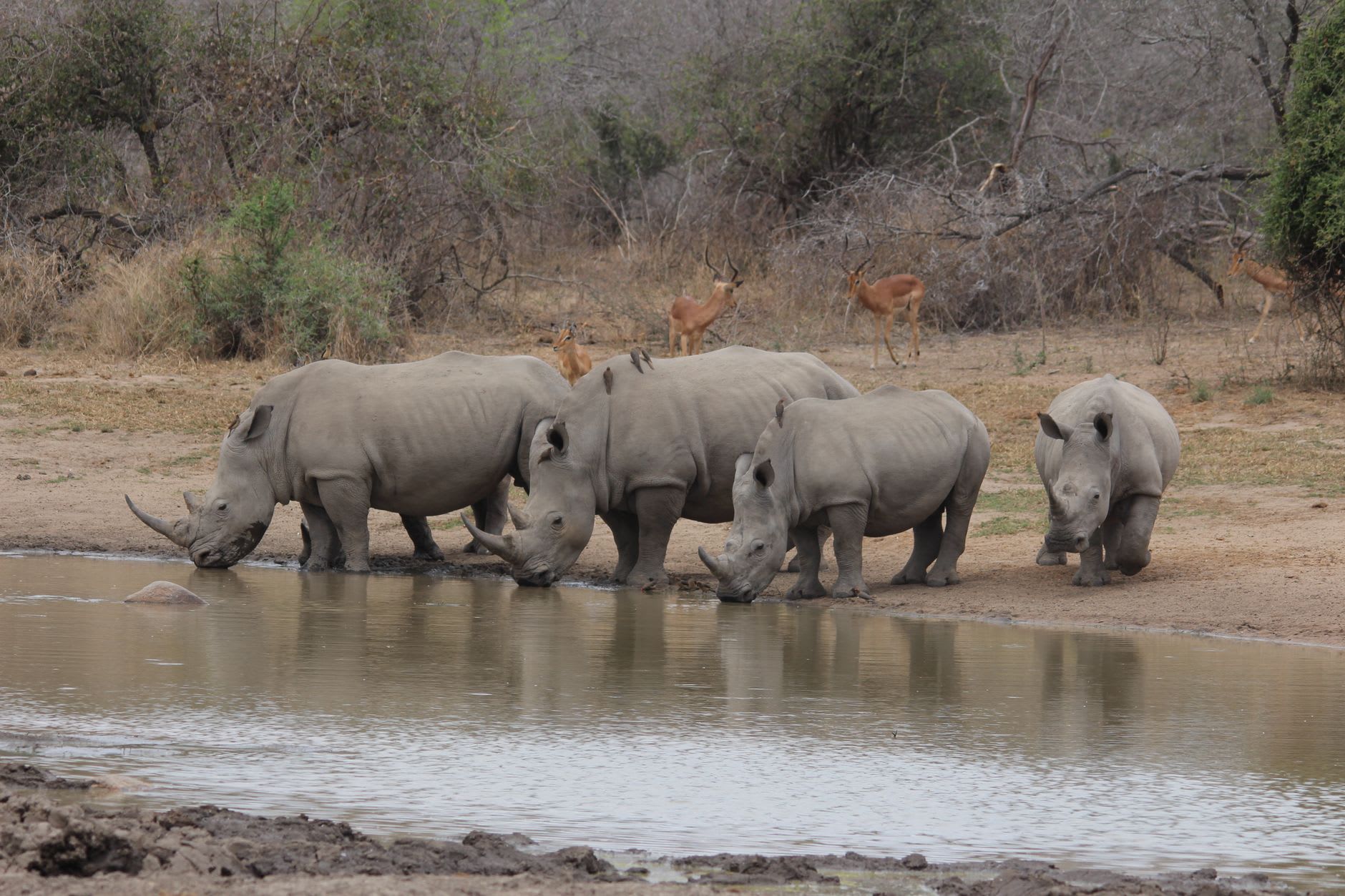
The reserve also holds elephant, buffalo, tsessebe, and sable antelope — the last two species particularly striking animals whose populations elsewhere in southern Africa have been under pressure for years. Mkhaya’s bushwillow and acacia woodland is dense enough that you don’t see everything, and the walking nature of the experience means you genuinely notice what you’re moving through: the dried dung on the path, the direction of the wind, the particular way a group of francolin flushes and where it settles. I found myself paying a quality of attention I rarely bring to safari drives.
Accommodation is a handful of open-air stone and thatch cottages, completely unfenced, set in a clearing. Open-air in a literal sense — no windows, canvas sides that can be rolled for air, beds under mosquito nets. The sounds at night are comprehensive: insects, owls, something large moving in the dark that my ranger the next morning identified as an elephant by the direction of the sound. The camp serves meals from a central fire, and the food is simple and genuinely good — grilled game, sadza, fresh salad from the kitchen garden.
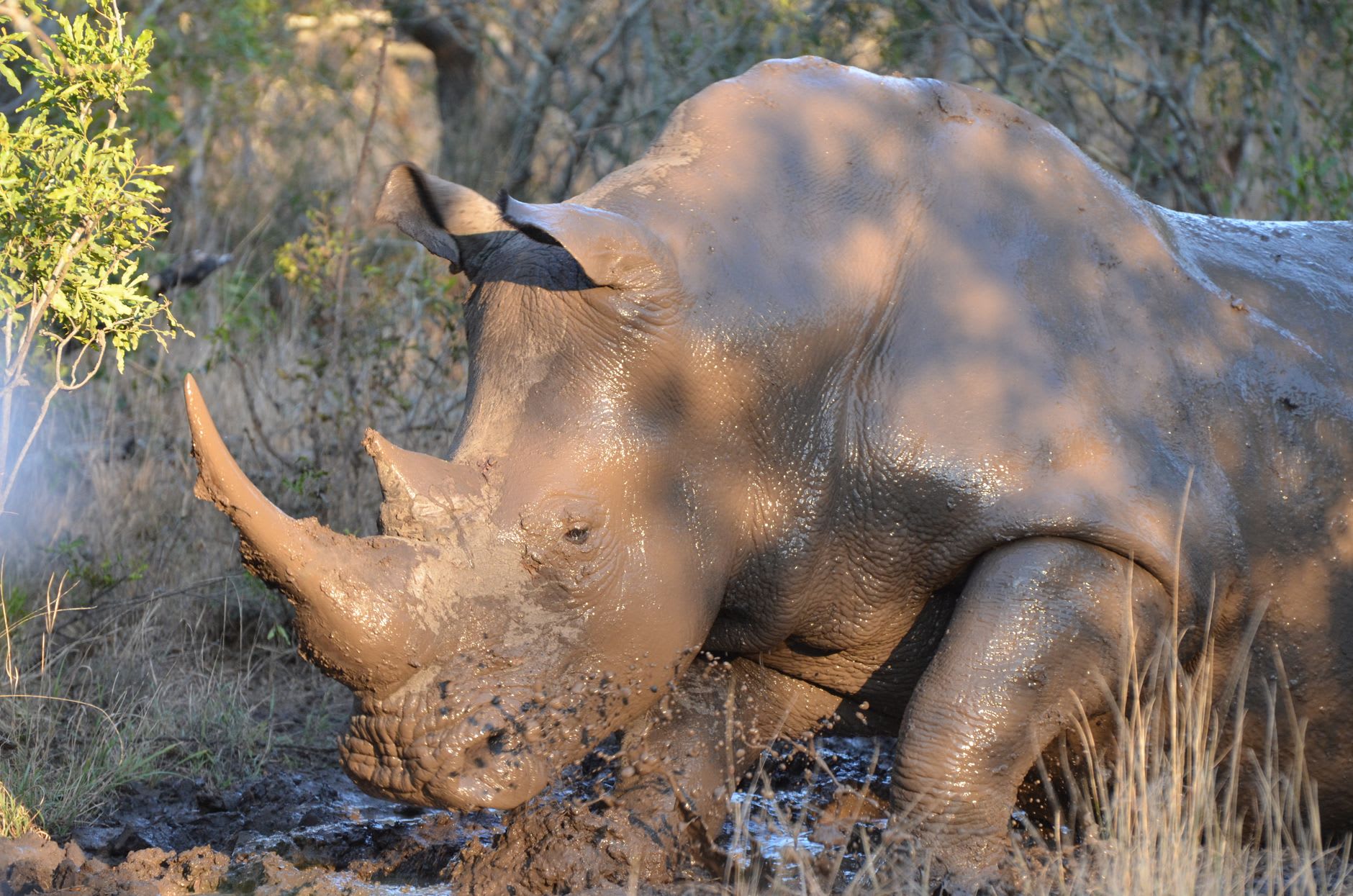
When to go: June through September for optimal wildlife viewing — dry season concentrates animals at water points and the vegetation thins enough to spot through. Book far in advance; Mkhaya is small and popular for exactly the reasons that make it exceptional.