Otepaa
"In Otepaa I learned that Estonia has hills, and that my legs had not planned for this."
Estonia's hilly winter capital, where ski trails wind through forest and Lake Puhajarv turns silver under summer sun.
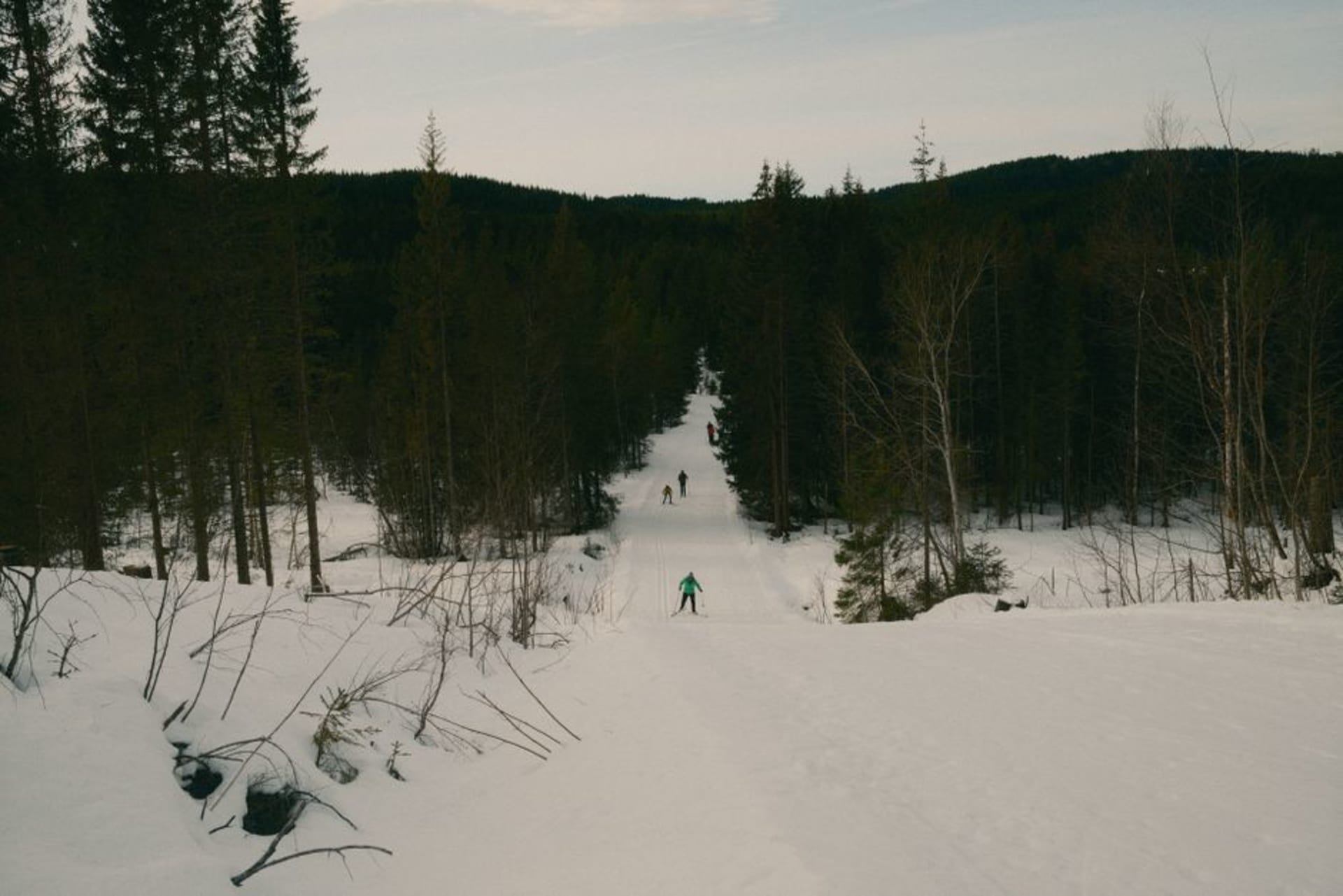
We drove down to Otepaa in February, when the fields south of Tartu had gone completely white and the road signs started mentioning ski trail distances instead of just kilometers to the next town. Lia had read that this was Estonia’s “winter capital,” which sounded like a title a small town gives itself, but within an hour of arriving I understood it was earned. Otepaa sits on a cluster of hills — real hills, a novelty after weeks of flat Baltic countryside — and the whole town seemed to organize itself around snow: groomed tracks starting practically from doorsteps, wax shops, a ski-jump tower visible from the main street.
I am, at best, an average cross-country skier, and Otepaa’s trail network made that painfully clear. We rented skis from a shed near the town center and set off on what the map called an easy loop. It was not easy. But it was beautiful — birch trees leaning under the snow load, the occasional local gliding past us with the unhurried efficiency of people who grew up doing this before breakfast. Otepaa hosts Biathlon and Nordic skiing World Cup events most winters, and you can feel that pedigree even on the recreational trails; everything is groomed with a precision that suggested serious people took this seriously.
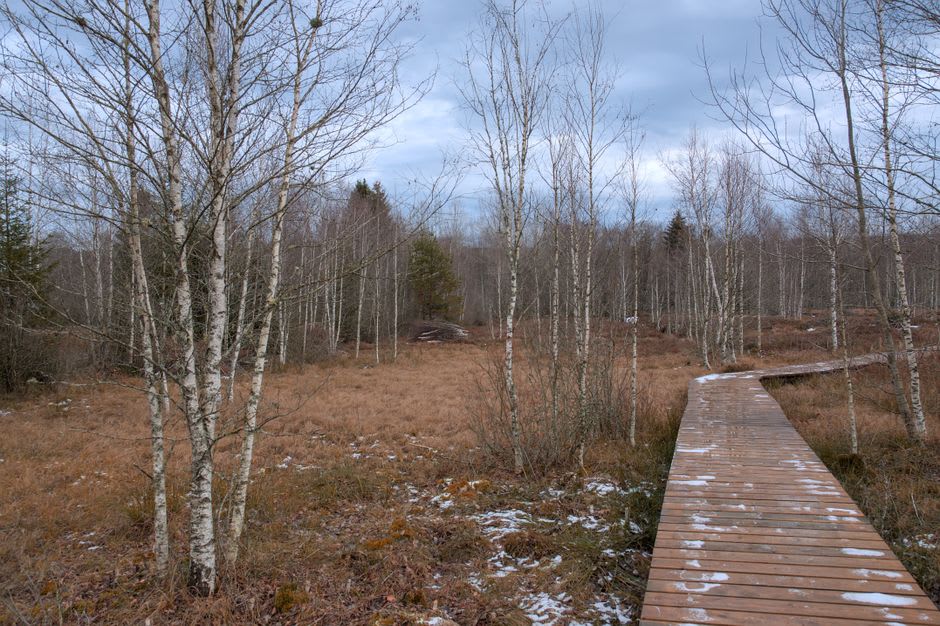
What surprised me most was learning how old Otepaa actually is. There’s a hillfort here mentioned in chronicles from 1116, which makes it older than Tallinn — a strange thing to absorb while standing on a hilltop that today mostly hosts sledding children and a church with a red spire. Estonia’s history gets compressed into a handful of well-known cities in most people’s heads, mine included before this trip, and Otepaa quietly upends that. We climbed up to the old fort site at dusk, and looking out over the frozen, hill-dotted landscape of Otepaa Nature Park, it wasn’t hard to see why someone chose to defend this particular hill nine centuries ago.
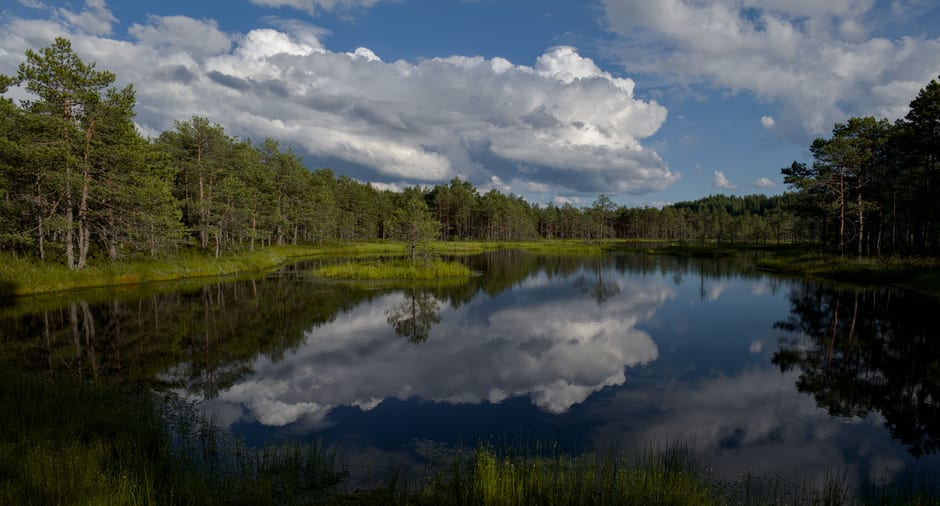
We came back in July, on our way toward Tartu, mostly because Lia wanted to see Lake Puhajarv without ice on it. It was worth the detour. The lake sits ringed by wooded hills, the water clear enough to make you second-guess the water temperature until you’re already in. We swam off a little sandy stretch near the beach, ate smoked fish from a stall by the parking lot, and watched a few people out on paddleboards taking the whole thing far more gracefully than I had managed on skis five months earlier.
When to go: Come in winter, roughly December through March, if skiing or watching a biathlon race sounds appealing — the town genuinely comes alive for it. Come in summer if you’d rather swim in Lake Puhajarv and hike the same hills without needing poles.