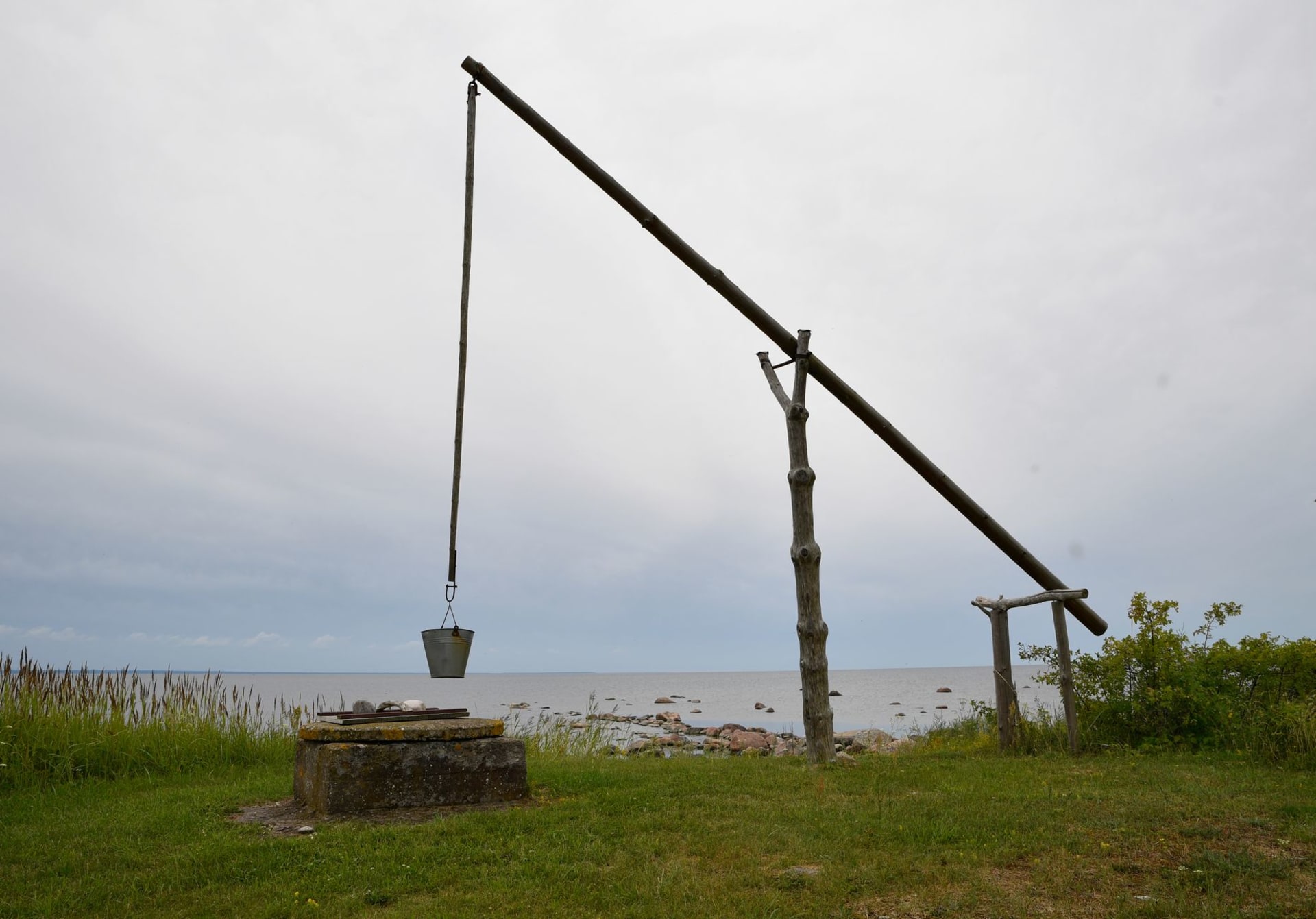
Hiiumaa
"People come here looking for quiet. They usually find more of it than they expected."
The Slower Island
Saaremaa has the castle and the crater. Hiiumaa has something harder to describe: a quality of slowness that feels structural rather than accidental. The island has barely more than nine thousand residents. In winter that number drops further as summer people leave, and entire villages go quiet. I visited in August — peak season by Hiiumaa’s modest standards — and still found myself alone on beaches and forest paths for hours at a stretch.
The ferry crosses from Rohuküla on the mainland in just under two hours. I took the late afternoon crossing and watched the light change over the water the whole way. Other passengers were mostly Estonians bringing cars and shopping — summer visitors to their island houses, making the regular crossing with the ease of long habit. Nobody seemed to be in a hurry. This turned out to be island policy.
The Kõpu Lighthouse
The Kõpu lighthouse is among the oldest continuously operating lighthouses in the world — guiding ships since 1531. It stands on the island’s western peninsula, surrounded by ancient Scots pines that are themselves remarkable: huge, straight, improbably tall, their bark rust-colored in afternoon sun. The path to the lighthouse runs through this forest for several kilometers.
I climbed the tower on a clear afternoon and looked out over the Baltic in four directions. The sea was perfectly flat, steel blue, infinite in the way only open water achieves. There were no ships visible. I understood, standing there, why a lighthouse here was necessary: the sea gives no indication of what’s beneath it.
Kärdla and the Everyday Island
Kärdla, the island’s main town, has about three thousand people and a main street of about three blocks. There’s a good café, a small market, a church, and a distinct atmosphere of a place that doesn’t need more than it has. I bought smoked fish from a van parked near the harbor and ate it on a bench by the water. It was the best meal I had on the island, and I paid almost nothing for it.
The villages on Hiiumaa’s southern coast — Emmaste, Käina — have a preserved quality that comes from genuine isolation rather than heritage tourism. The wooden houses are old and functional. Gardens grow vegetables. People wave from tractors. Lia spent an afternoon in Käina photographing the doorways, which are carved and painted with the particular care of people who spend a lot of time indoors.
Forests, Bogs, and the Bird Bay
Much of Hiiumaa is covered in forest old enough to qualify as genuinely ancient — pines and spruces that predate most of what we consider history. The Käina Bay is a protected bird reserve where I watched ospreys in September; the shallow, reed-fringed water is a stopping point for migrating species from further north.
The island also has bogs — slow-growing peat formations accumulating since the last ice age. Walking on them requires care and rewards patience. The bog plants — sundew, cloudberry, cottongrass — are intricate and strange, and the sound of the bog in wind is unlike any other landscape.
When to go: June and July for the longest days; the light on Hiiumaa in midsummer barely fades and the forest glows. August for warmth. September for mushrooms and migration birds. The island goes very quiet October through May, which is its own kind of appeal if you’re prepared for it.