Massawa
"The Red Sea at five in the morning, completely flat, a dhow with a torn sail passing without a sound."
The road from Asmara to Massawa drops two thousand meters in under a hundred kilometers, and you feel every meter of it. The switchbacks tighten as you descend, the vegetation changes — highland scrub giving way to thorn trees and then, at the bottom, something close to desert — and the air thickens visibly, taking on the humid weight of the sea. By the time you cross the causeway onto the island, you’re damp and slightly stunned, as if the altitude change has reshuffled your internal organs.
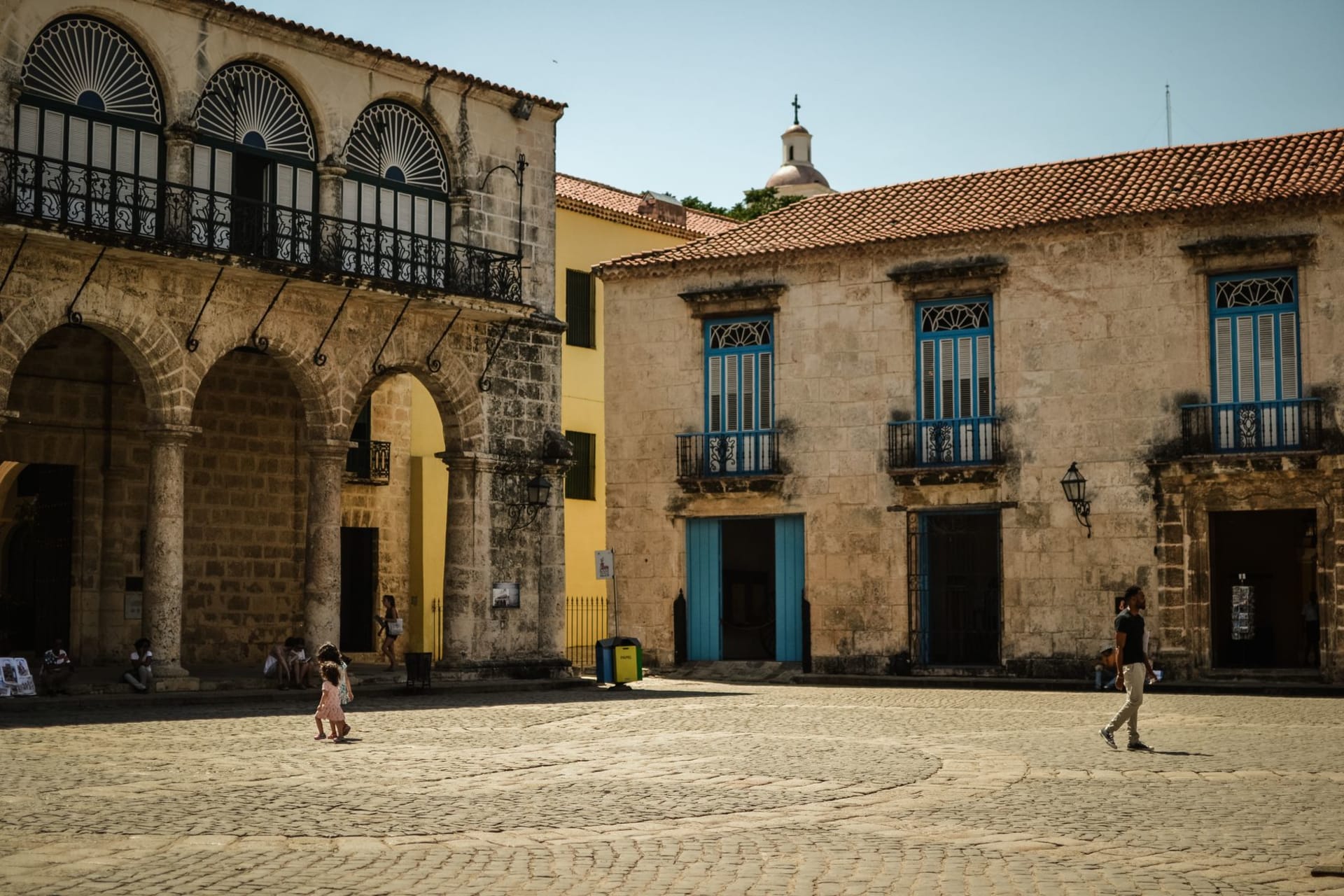
Massawa sits on two coral islands connected to the mainland by causeways, and the old Ottoman quarter on the inner island is unlike any place I’ve encountered in East Africa. The buildings are made from coral stone and Egyptian limestone, three and four stories tall, with elaborately carved wooden doors and mashrabiya screens on the upper windows. Many are half-ruined — damaged in the independence war, damaged further by years of deferred maintenance — and the effect is less depressing than you’d expect. Ruin here has its own beauty, a slow disaggregation of materials that were themselves borrowed from the sea.

I arrived on a Thursday and was the only foreigner in town that I could identify. The restaurant where I ate lunch — grilled fish and a flatbread with a sesame paste that I never quite identified — had four plastic tables in a courtyard shaded by a single tree. The owner brought out a chair from his own kitchen when mine collapsed slightly, without comment, and then brought out a second fish without being asked. The fish was grouper, I think, charred on the outside and moist inside, tasting purely of itself and the sea. I ate it with my hands. The bill came to less than two dollars.
In the early morning — before five, before the heat settled in — the port district woke up in stages. First the fishermen, pulling in their night’s work and sorting the catch by the dock lights. Then the chai sellers with their charcoal stoves. Then, gradually, the slow traffic of the town: women in bright dresses walking to the market, a boy driving goats through the empty market square, a single truck making its way across the causeway loaded with something covered in plastic sheeting. I sat at a table outside a small tea house with my coffee and watched it all happen, and I understood why people come back to places like this long after the practicalities have stopped making sense.

The new town, across the second causeway, is functional and dusty — concrete buildings, a few guesthouses, the main market. But even here, the Red Sea is never far: you can smell it from anywhere, that particular smell of salt and fish and something deeper, mineral, ancient. The Dahlak Archipelago, two hundred islands of varying sizes scattered offshore, begins just beyond the harbor, their coral reefs visible from the boat dock as dark shapes under astonishingly clear water.
When to go: October through March only. April already gets uncomfortable, and by June Massawa becomes genuinely brutal — 40°C with a humidity that feels structural. December is the sweet spot, when the highlands are dry and cool and the coast is warm enough to swim but not punishing enough to ruin the day by ten in the morning.