Keren
"A camel market at dawn — the smell, the noise, the complete indifference to your presence."
The bus from Asmara to Keren left before six and was full before I got on. I ended up half-sitting on a sack of something near the rear door, which turned out to be exactly the right place to be: the scenery through the open door was extraordinary — the highland plateau giving way to a landscape of granite boulders and dry valleys, the kind of terrain that seems designed to discourage travel and then rewards it at every bend. Three hours later we rolled into Keren in a cloud of red dust, and I climbed out into a town that smelled of eucalyptus and diesel and, somewhere underneath, animals.
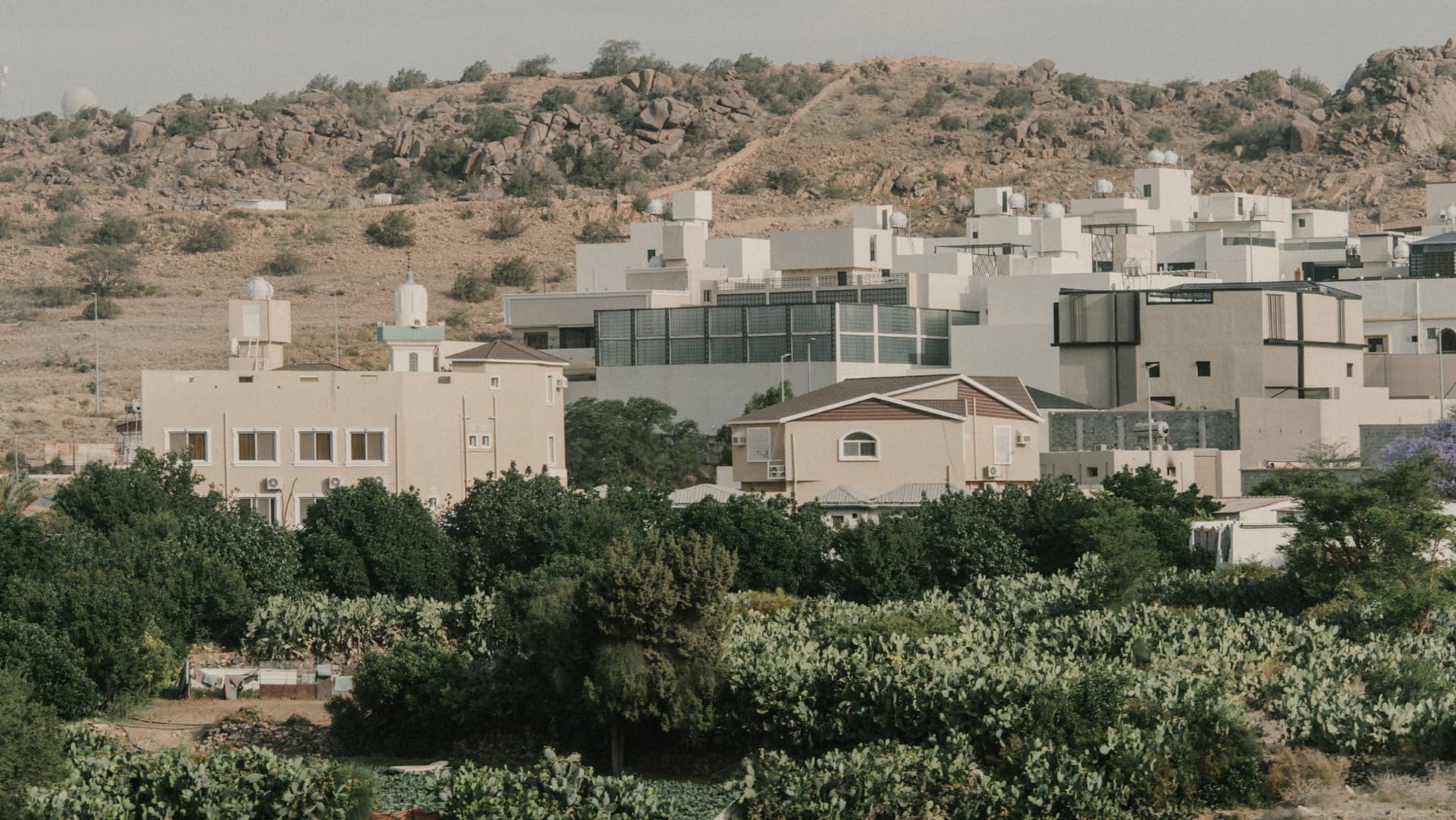
Keren on any day of the week is a pleasant, unhurried market town — a cathedral and a mosque in the same block, Italian colonial buildings on the main street housing phone repair shops and grain merchants, the kind of café where the television is always on but no one is watching it. But on Monday morning, the town transforms. The camel market draws traders from the surrounding lowland villages, and by seven the market ground is packed with camels being led, examined, argued over, and occasionally persuaded to sit down or stand up through the application of a stick and considerable noise. I had never been close to that many large, opinionated animals simultaneously.

The market extends beyond the camels to everything else: goats, donkeys, grain sacks, spices sold from wooden scoops, second-hand clothes from some past decade in a European city, plastic sandals in every color, and food stalls where the breakfast is a stew of fava beans and chili that will carry you through until evening without apology. I ate at one of these stalls — three plastic stools around a low table, a woman stirring a pot the size of a small bathtub — and was handed a piece of injera and told to help myself. The beans were soft and deeply spiced. The coffee that followed was cardamom-heavy, thick enough to stand a spoon in.
What I wasn’t expecting was how beautiful the town’s surroundings are. The approach from Asmara passes through a landscape of low mountains and dry seasonal river valleys — wadis — that the Italian engineers bridged rather elegantly with small stone viaducts that are still in use. In the late afternoon, when the market has wound down and the dust has partly settled, you can walk out along the dry riverbed below the town and find absolute silence, the granite boulders orange in the lowering light, a few goats picking their way along the opposite bank.

There are Second World War cemeteries here too, well-maintained and quietly moving — British and Commonwealth graves from the 1941 battle that ended Italian rule, surrounded by bougainvillea and grass kept green by what must be considerable effort in this dry climate. They sit above the town on a hill, looking out over the valley, and on the afternoon I visited there was no one else there. I stayed longer than I planned.
When to go: October through April. Go on a Monday without exception — the camel market is the whole reason to make the trip, and missing it means waiting six more days in a pleasant but not riveting town. The drive from Asmara is worth doing in daylight, so time your departure accordingly.