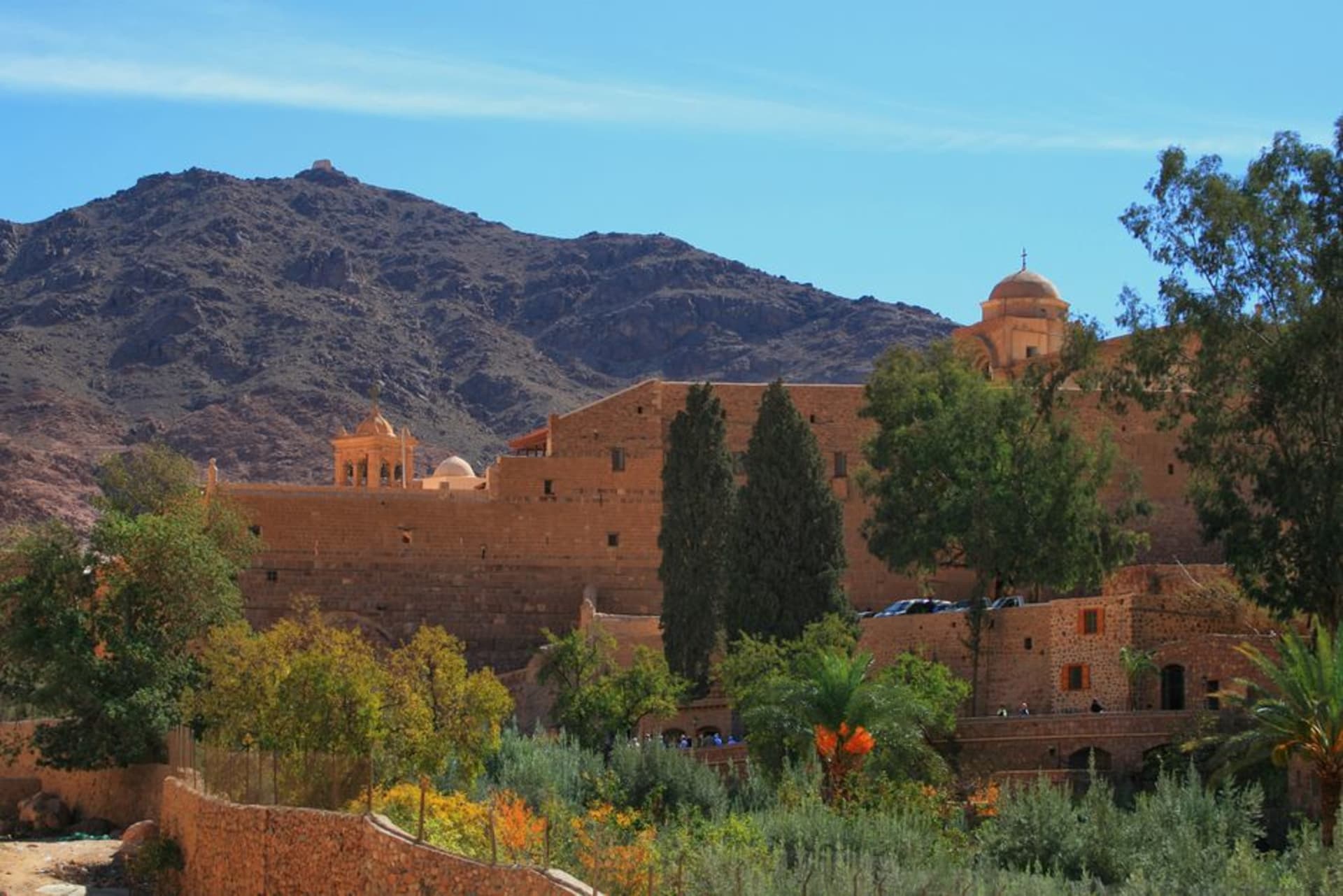
Debre Bizen
"We climbed for three hours to reach a library that has outlived six centuries of empires."
A cliffside monastery above the Asmara-Massawa road, where Ge'ez manuscripts and centuries-old frescoes outlast every empire that passed below.
Lia found the mention in a footnote of some out-of-print guidebook: a monastery at 2,450 meters, founded in 1361, still closed to women, still home to monks who follow a rule that hasn’t changed much since Abune Filipos first climbed that ridge. I remember reading it out loud to her in our room in Asmara and both of us going quiet for a second, the way you do when you know a trip just reorganized itself around one idea. We hired a driver to take us partway down the Massawa road, and from there it was our own legs for the rest of the way.
The hike up is the kind that makes you renegotiate your own fitness in real time. Switchbacks cut into a mountainside with the Eritrean escarpment falling away on one side, the road to the Red Sea a thin grey thread far below. I was drenched by the second hour, chasing the shade of the occasional acacia, while Lia set a pace I couldn’t match and kept turning around to check I hadn’t sat down somewhere. When the monastery walls finally showed themselves above a switchback, stacked stone against bare rock, it didn’t feel like arriving somewhere — it felt like the mountain had decided to let us in.
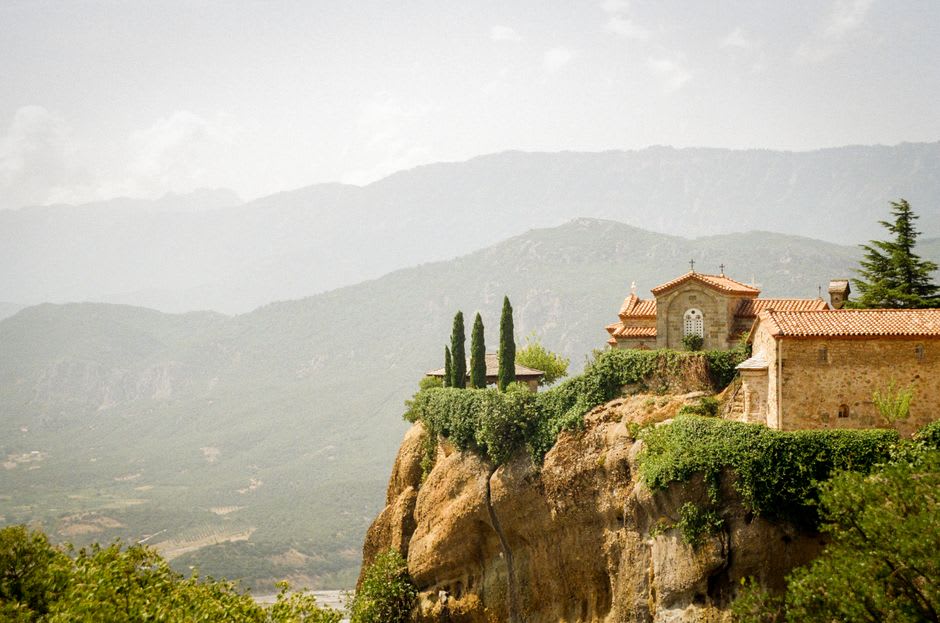
A young monk who spoke a careful, formal English showed us into the older church, built in 1368, and I’ve genuinely never been anywhere that smelled like it — beeswax, dust, and something mineral I couldn’t place. The walls are covered in paintings made from pigments of egg, soil, and crushed local flowers, saints rendered in that flattened Byzantine style with enormous dark eyes, and the whole thing has survived Ottoman raids from the province of Habesh Eyalet in the 1500s that damaged parts of the complex but never managed to erase it. He mentioned, almost in passing, that a Spanish traveler from that same century — known here as Alvarez — is buried somewhere in the grounds, one more foreigner the mountain decided to keep.
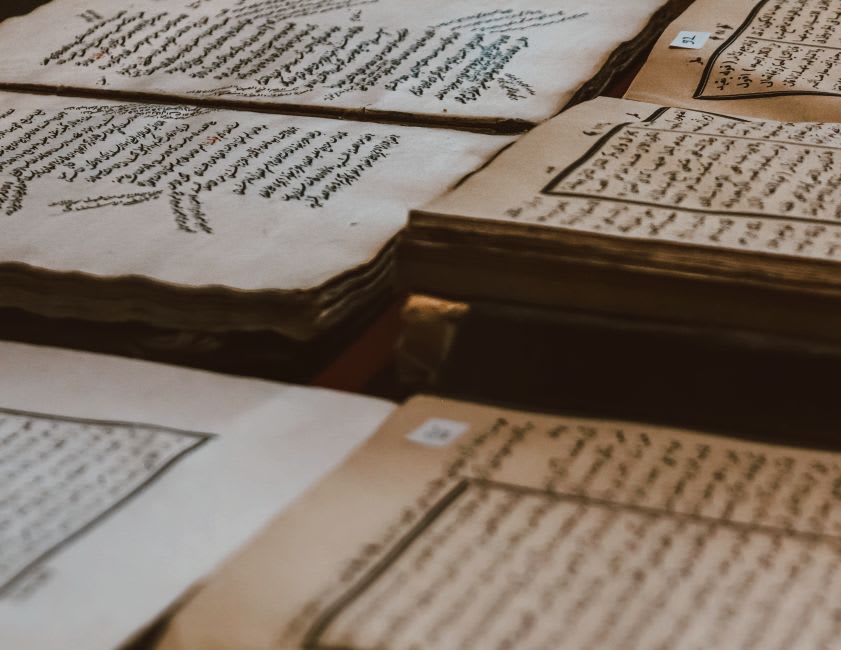
What stayed with me longest was the library — shelves of Ge’ez manuscripts, some of them older than most European universities, handled by monks who clearly regard the books as living things rather than artifacts. There are around sixty monks here now, plus a handful of students, and the austerity of the place is not performative; nobody was posing for anything, nobody seemed to notice we’d come from another continent. Walking back down at dusk, legs shaking, I kept thinking about how little Debre Bizen has needed the outside world to keep going, and how strange it felt that we’d been let in at all.
When to go: Aim for the dry, cool months between November and February — the climb is steep and exposed enough without adding heat or mud to the equation.