Dahlak Archipelago
"The silence of a coral reef no one else knows about — it has a specific weight."
You reach the Dahlak Archipelago by negotiating with boat owners at the Massawa harbor, which takes longer than you’d expect and goes better than you fear. The boats are wooden dhows, most of them working vessels repurposed for the day — fishing gear shoved to one side, a piece of foam for sitting — and the crossing to the nearest islands takes between two and four hours depending on the wind and the mood of the captain. There are no ferries, no booking systems, no life jacket protocols. You agree on a price, you agree on a time to return, and you leave.
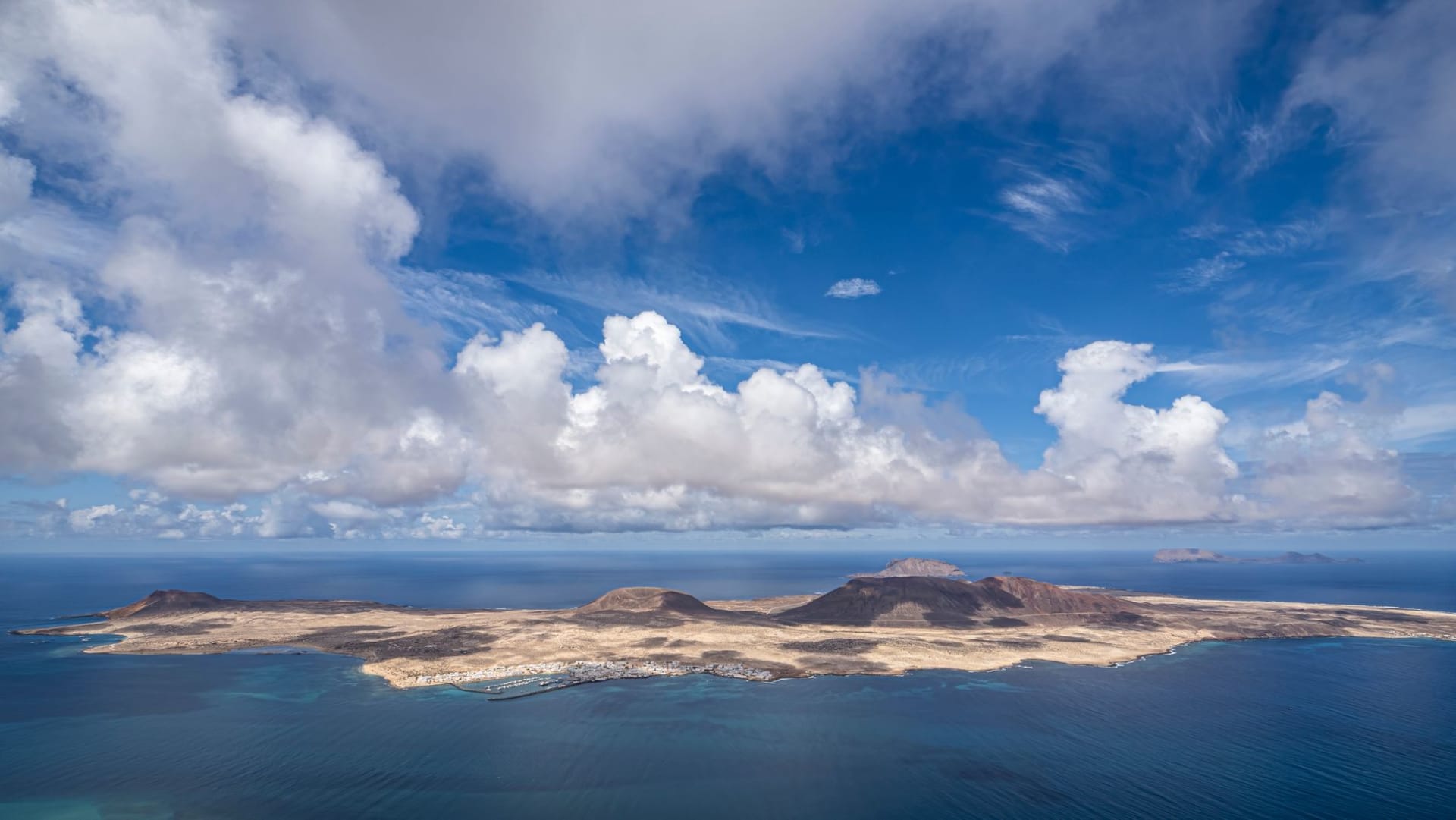
The Dahlak islands — there are more than two hundred of them, most uninhabited — are flat, low, mostly bare coral with scrub vegetation and beaches of such improbable whiteness they look artificial. The water is the color of someone exaggerating. I knew the Red Sea was supposed to be clear and warm, but the visibility here — twenty meters easily, sometimes more — and the density and health of the coral was something I hadn’t fully anticipated. Whoever has been overfishing this coast, it hasn’t reached here yet.

I snorkeled for most of the morning, which I realize is not a sophisticated travel activity, but there’s something particular about being underwater in a place no one visits. The absence of human interference is visible in the fish themselves — they approach to look at you rather than fleeing. A giant Napoleon wrasse, easily a meter long, hung in the current near a coral head and watched me with the calm curiosity of an animal that has never learned to be afraid. I floated above it for several minutes, doing nothing, which felt like enough.
The history of the archipelago is stranger and older than the beaches suggest. Dahlak Kebir, the largest island, was used as a place of exile and imprisonment by early Islamic rulers, then by the Ottomans, then by various other powers across the centuries. There are ancient cisterns carved into the rock, an old cemetery with inscribed stones in Arabic script, and the ruins of what was once a considerable settlement. The island had a population of pearl divers for hundreds of years before the pearl trade collapsed. Now it has a small fishing community and, on the day I was there, four chickens and a man sleeping under a tree.

Lunch was whatever the captain had brought — bread, canned fish, sweet tea from a thermos. We ate on the beach in the shade of the dhow, which had been pulled up onto the sand. The captain, who had been largely silent on the crossing, spoke some Italian (a generational thing, he said, his father had worked for an Italian company) and we talked for a while about fish and prices and his youngest son who was studying engineering in Asmara. It was the best conversation I had in Eritrea, and it happened entirely by accident.
When to go: November through March is the window. The Red Sea can be rough during the summer months, and even in the dry season you want to check conditions before committing to a crossing. Arrange boats the evening before if possible — early morning departures get you the best light and the calmest water.