
Reggio Emilia
"You drive through Reggio Emilia on the way to somewhere else. That is your mistake."
Most people experience Reggio Emilia as a highway sign — Reggio Emilia, exit — glimpsed from the A1 autostrada while in transit between Milan and Bologna. This is a waste of a genuinely interesting city. I made the stop on a whim, arriving in October on a Tuesday afternoon when the weekly market was still packing up in the Piazza Prampolini, and spent the next two days discovering that Reggio Emilia has managed to maintain an entirely authentic civic life behind its almost total absence from the travel itinerary.
The cheese is the first argument. Parmigiano-Reggiano DOP takes its name from two cities — Parma and Reggio Emilia — and while the debate about which province makes the finest expression of the cheese is ongoing and sometimes heated, the dairies of the Reggio Emilia hills produce a Parmigiano that many aficionados consider the benchmark. The minimum ageing is twelve months, but the serious expressions are twenty-four, thirty-six, and the increasingly rare forty-eight-month wheels, which develop a granular, crystalline interior texture and a flavour range that runs from caramel to dried fruit. I visited a caseificio — a cheese dairy — on the second morning, arriving at five thirty to watch the morning cheese-making begin. The curds are broken, the forms are pressed, the date stamp is applied. The cheese that emerges from the mould that morning won’t be eaten until 2027. There is something genuinely humbling about this.
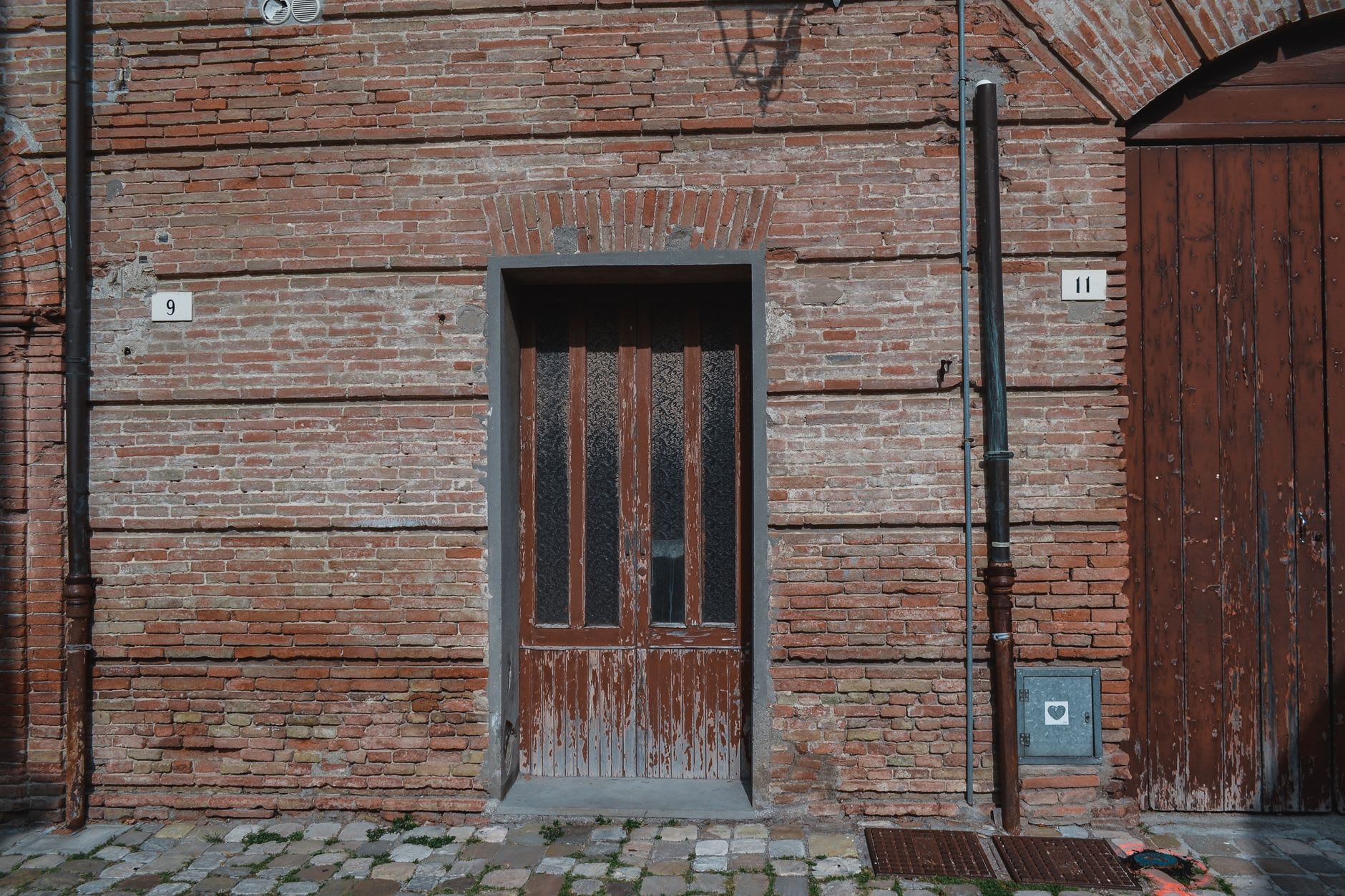
The Piazza del Tricolore — named for the Italian tricolour flag, which was officially adopted here in January 1797 when Napoleon’s Cispadane Republic chose green, white, and red as its colours — is the city’s emotional centre. The Teatro Municipale that faces it is a beautiful neoclassical building from 1857 that hosts opera with a seriousness that rivals Parma’s famous audience. The piazza itself is proportioned with an elegance that doesn’t announce itself — you have to notice that everything is slightly larger, slightly better placed than it needs to be, that the buildings are restrained in a way that makes the square feel spacious without being empty.
The Musei Civici contain, among other things, the best collection of Egyptian antiquities in Emilia-Romagna — not a category I’d have predicted mattered, but the collection is genuinely strong and the building housing it has beautiful light. More surprising still is the Collezione Maramotti, a private museum of contemporary art housed in a former Max Mara factory on the edge of the city, which holds works by Anselm Kiefer, Gerhard Richter, and Cy Twombly in a space that was designed with the kind of quality that comes from someone spending their own money rather than a committee’s.
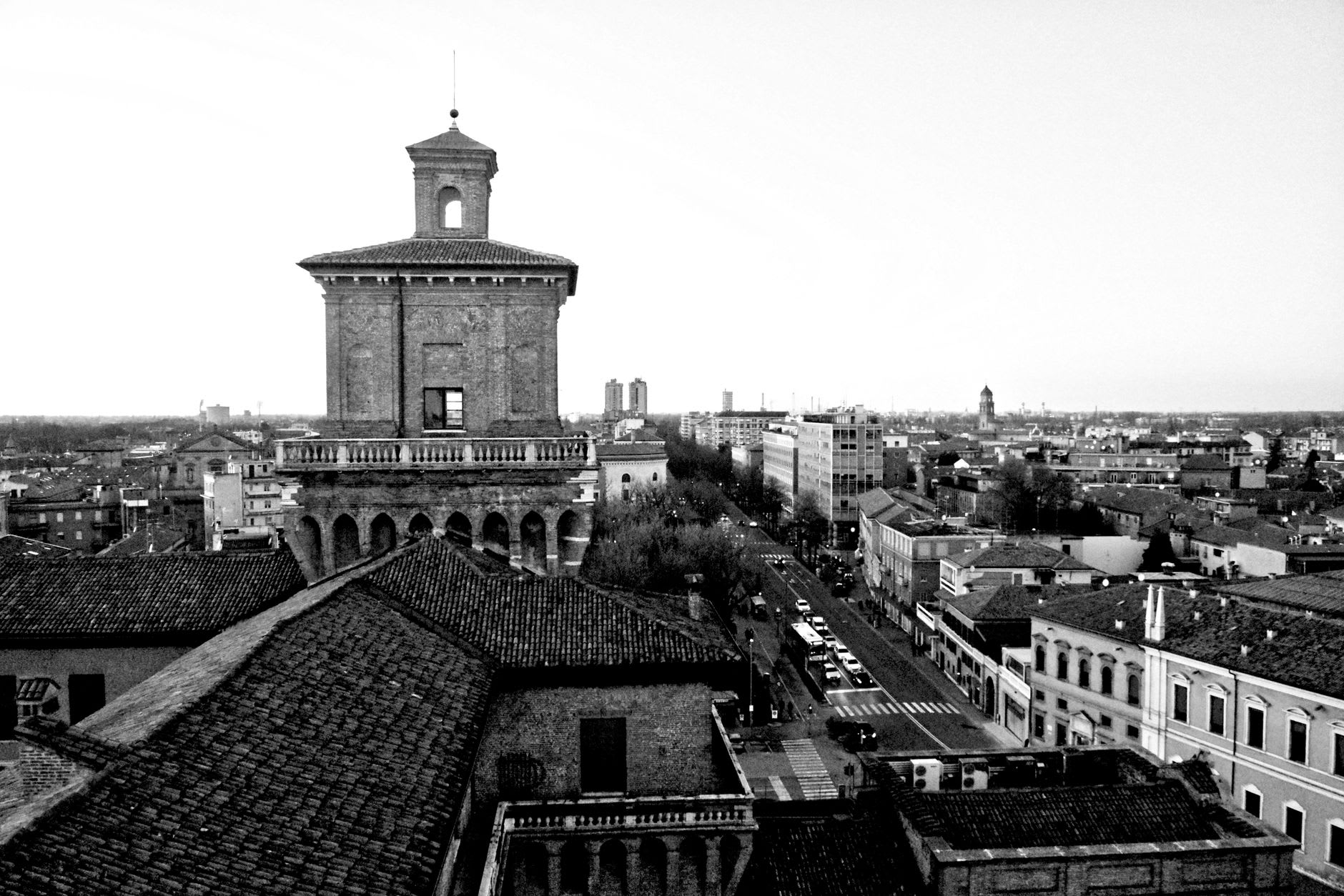
Reggio Emilia is the home of the Reggio Approach to early childhood education — a pedagogical philosophy developed here after World War II that has become influential across Europe and North America. The city has what amounts to an intellectual culture around education and civic life that you sense in the quality of its public spaces, the density of its cultural programming, and the particular animation of its streets in the evening, when the students from the university come out and join the local passeggiata in a way that feels genuinely mixed rather than generationally segregated.
When to go: The dairy visits are best arranged for autumn and winter when production is at its peak. April through June is lovely for the town itself. Avoid August when the city is quieter than usual, though unlike Bologna it doesn’t entirely empty.