Piacenza
"Piacenza is what happens when a city stops trying to be famous and just gets on with being excellent."
Piacenza is the city that Emilia-Romagna forgot to tell you about. It sits at the western edge of the region, where the Via Emilia meets the Po, and its position has always been slightly liminal — close enough to Lombardy to absorb some of its reserve, close enough to the foothills to produce its own specific food traditions, and far enough from Bologna’s cultural gravity to develop an identity that hasn’t been flattened by comparison. I arrived expecting an afterthought and found a city of considerable substance.
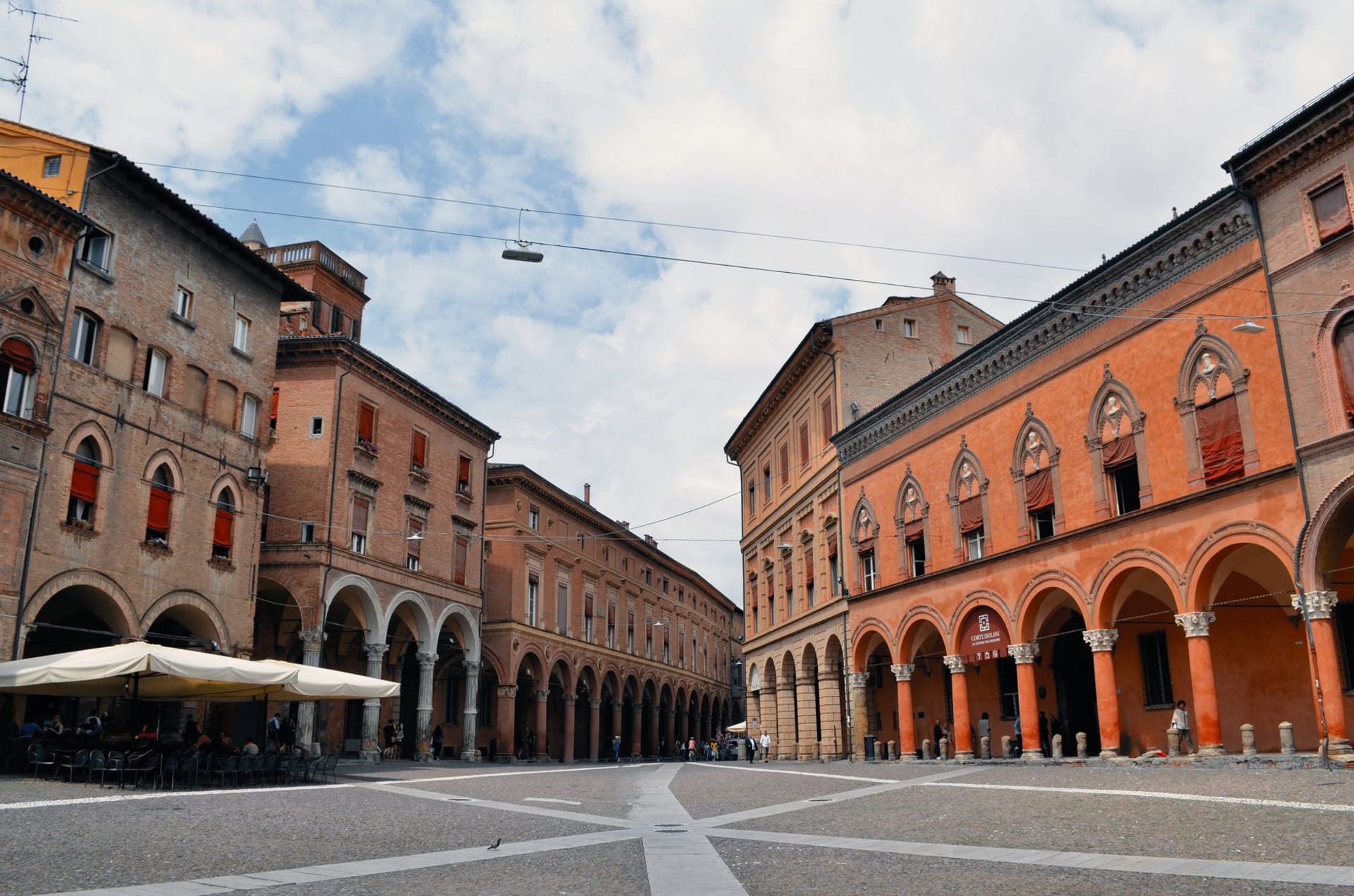
The Piazza Cavalli — named for the two equestrian bronze statues of Farnese dukes that have dominated it since the seventeenth century — is one of the great civic piazzas in northern Italy that nobody talks about. Alessandro Farnese on his horse, cast by Francesco Mochi in 1625, is considered one of the masterpieces of Baroque sculpture: the horse in mid-canter, the cape swirling, the whole composition alive in a way that earlier equestrian statues — Donatello’s, Verrocchio’s — are not, because Mochi understood movement differently, understood air, understood that stone and bronze could suggest something in motion. I stood in front of it for a long time in the cold December morning light, feeling slightly ambushed by how good it was.

The food in Piacenza is distinct from the rest of Emilia-Romagna — more influenced by Lombardy, more restrained in its use of Parmigiano, more reliant on cold cuts that locals insist are different from everything else in the region. The Piacentini salumi are three: coppa (cured pork neck), salame, and pancetta, each with its own DOP designation. The coppa in particular has a sweetness from the wine marinade that sets it apart from Parma’s prosciutto — both are excellent but they are doing different things, and locals will explain this with varying degrees of patience. I ate all three on a single tagliere at an osteria on Via Sant’Antonino and spent an educational half-hour trying to understand the differences between them.
The pisarei e fasò — small pasta dumplings made with breadcrumbs and flour, served with a sauce of borlotti beans and lard — is the dish that defines Piacenza in the way that tortellini define Bologna. It is a peasant dish elevated to civic identity, and the best versions I ate were in places that seemed to have been serving it unchanged for forty years. At my favourite trattoria, an elderly woman at the table beside me ordered it without looking at the menu, ate it methodically, and then left without dessert or coffee, as though she had simply stopped in to perform a necessary maintenance of her relationship with the city’s food.

The Galleria Ricci Oddi, a small art gallery in a building designed specifically for it in 1930, holds a collection of nineteenth and early twentieth century Italian painting that is precisely the kind of overlooked treasure that mid-sized Italian cities often conceal. There’s a Klimt here — a small portrait of a woman, unsigned, discovered in 1997 inside a bag hung on the wall of the museum, having vanished from the same gallery in 1997 and reappeared without explanation twenty-two years later. The story is so improbable that the painting now has a second fame for the strangeness of its disappearance, somewhat overshadowing the quality of its neighbors on the wall.
When to go: Piacenza is an all-year city — its piazza is beautiful in all seasons and the food traditions are not seasonal. March through May is pleasant for walking; October and November bring excellent cold weather and the particular sobriety of a northern Italian autumn that suits Piacenza’s character.