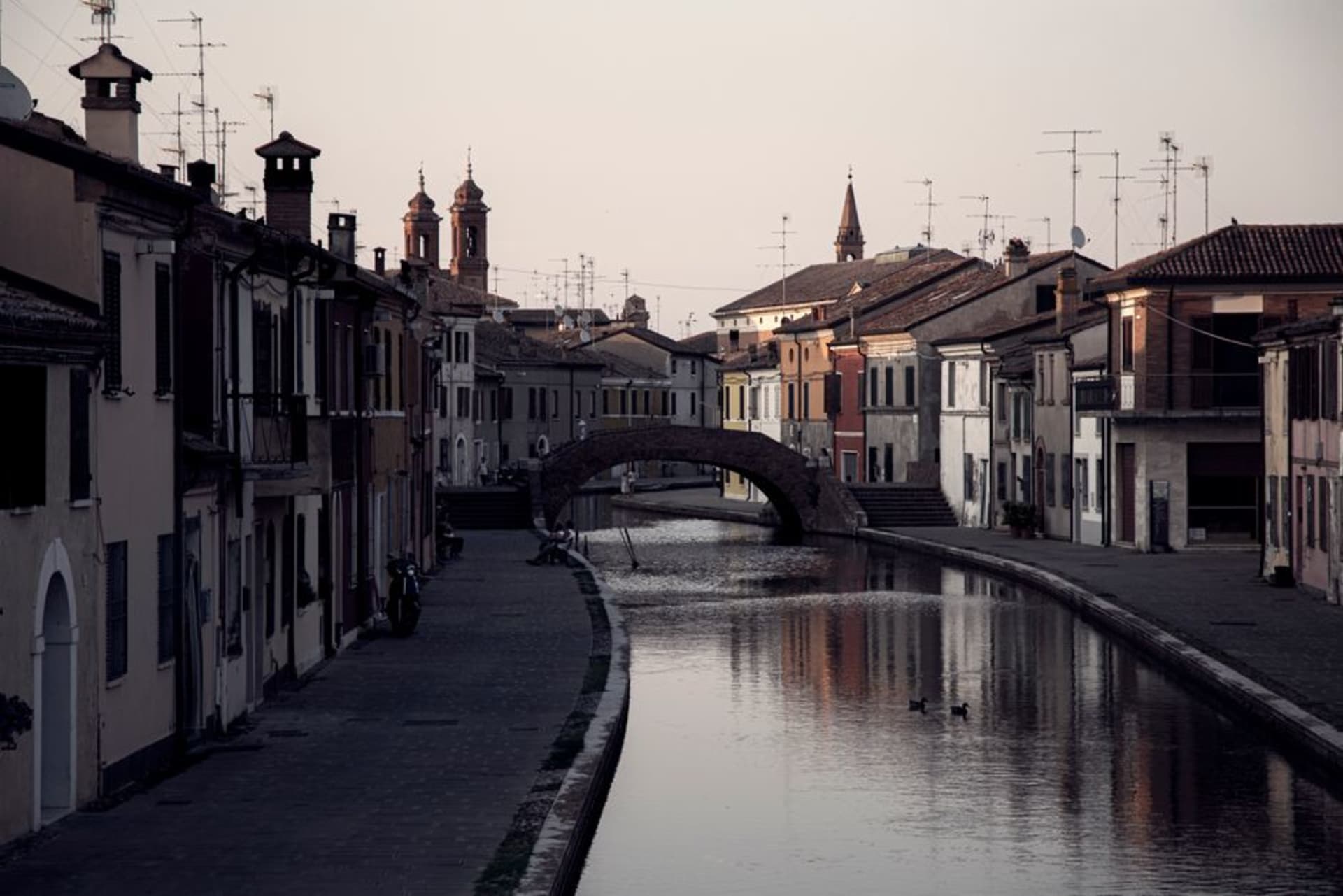
Comacchio
"Everyone told us it was a mini Venice. Comacchio didn't need the comparison — it had its own quiet, salt-scented magic."
A lagoon town of thirteen islands and stone bridges, where eel has been cured for centuries and flamingos wade through pink-tinged water.
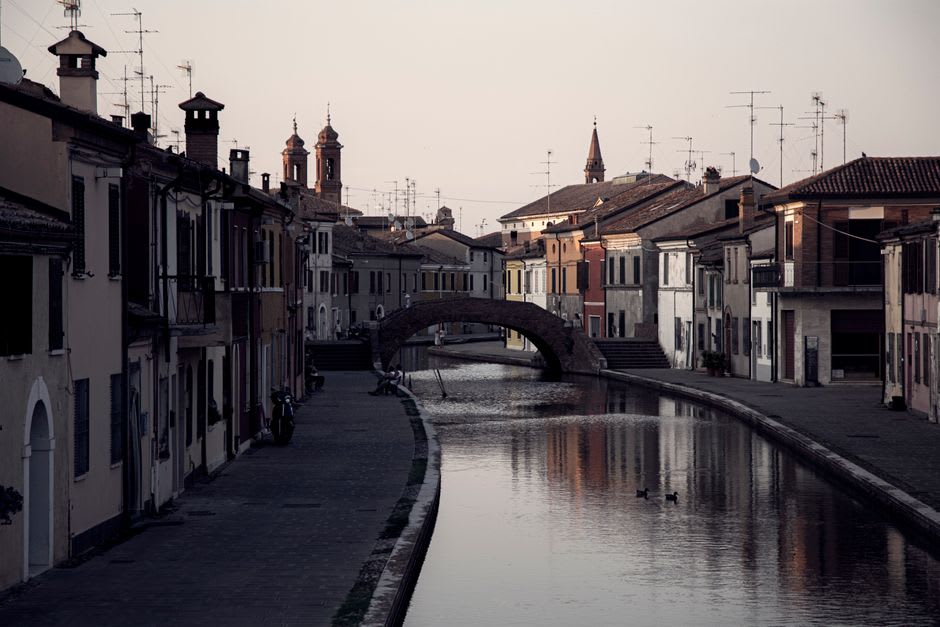
I’ll admit we almost skipped Comacchio. We were driving down from Ferrara toward the coast, and it was Lia who spotted it on the map, tucked into the Po Delta, and said we had to detour. Within ten minutes of parking, we were standing under the Trepponti bridge, that extraordinary triple-span crossing finished in 1638, and I remember just turning to her and laughing — the kind of laugh that comes out when a place is so unexpectedly beautiful you don’t know what else to do. Five stone stairways converge at a single central platform above the canal, and locals were just walking across it like it was nothing, on their way to buy bread.
We spent the afternoon wandering the historic center, which really is built across thirteen small islands stitched together by bridges, and I kept catching myself doing the Venice comparison everyone warns you not to make — except here the canals felt lived-in rather than performed for tourists, laundry hanging over the water, old men fishing off the low bridges with nothing else to do that day.
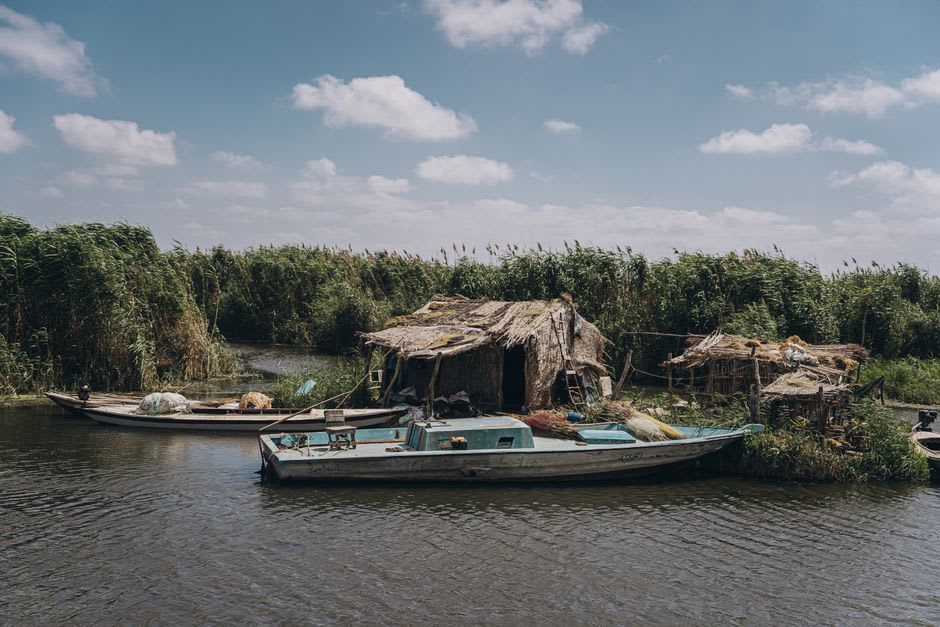
The next morning we went looking for the Manifattura dei Marinati, the 17th-century eel-curing factory that’s still open to visitors, and it’s where Comacchio’s whole identity clicked into place for me. This town has run on eel fishing for centuries — the brackish lagoons all around are perfect for it — and inside that long dim building, smelling of smoke and brine, you can still see the vats and the roasting spits they used to process the catch before shipping it out. I bought a small jar of marinated eel from a shop nearby, more out of curiosity than hunger, and ended up finishing it on a bench by the canal with Lia stealing forkfuls she swore she didn’t want.
What surprised me most, though, was the lagoon itself. We rented bikes and rode out along the water into the Po Delta Regional Park, and somewhere past the old salt pans we spotted our first flamingos — a whole ribbon of pink against the grey-green reeds, entirely unbothered by us. I’d expected medieval bridges and eel houses. I hadn’t expected to be standing in a wetland watching flamingos feed like we’d wandered into a different country altogether.
When to go: October and November bring the eel migration, when the lagoon fishing traditions feel most alive, while spring is the better bet if flamingos and the wider birdlife of the Po Delta are what you’re after.