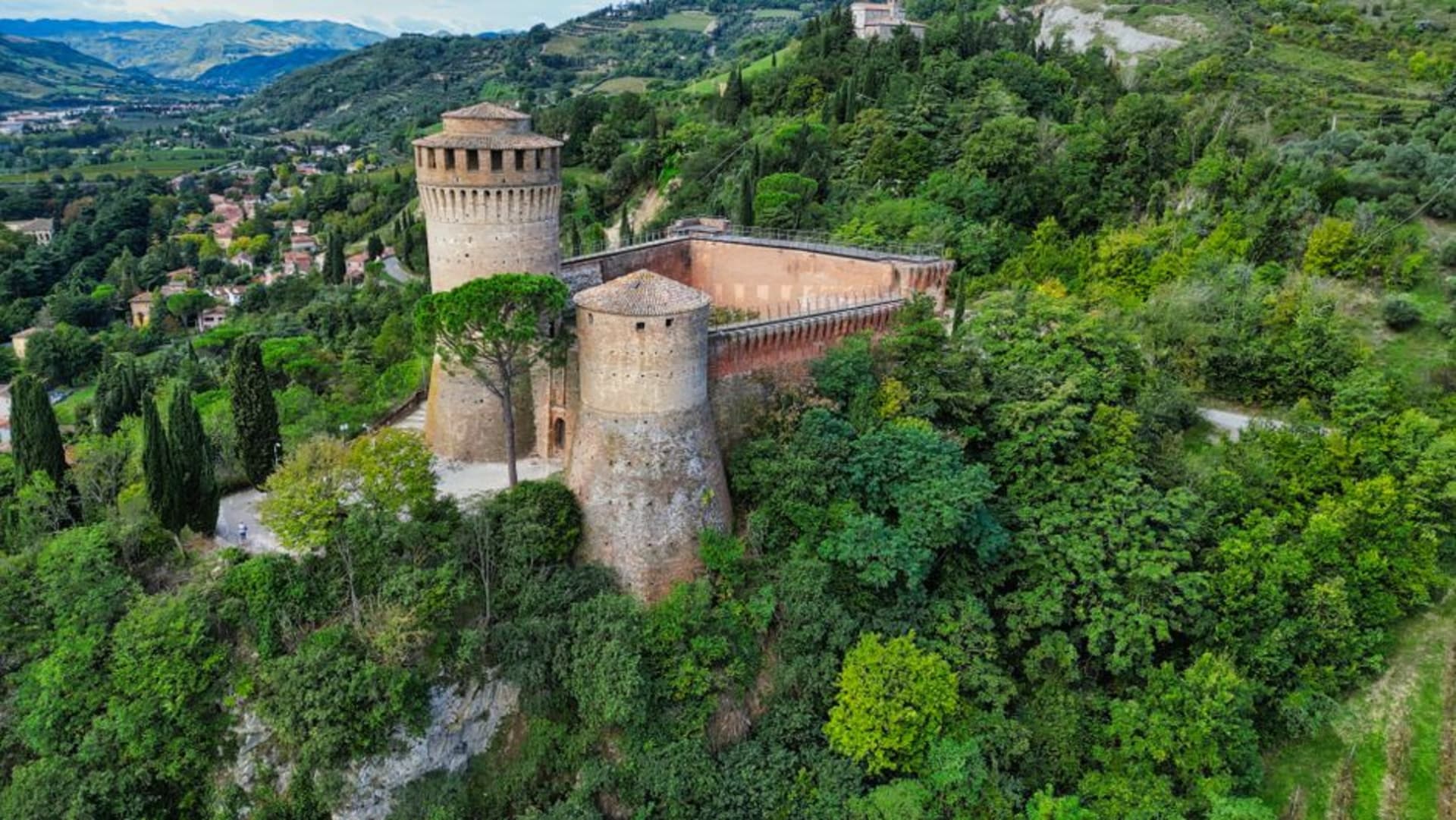
Castell'Arquato
"We came for the fortress and stayed for the silence between the stones."
A medieval hill town stacked in stone terraces above the Val d'Arda, where a Visconti fortress guards fossils older than Rome.
Lia found Castell’Arquato on a map almost by accident, a scribble of contour lines in the Piacenza hills that she liked the look of, and we drove out from Bologna one grey Tuesday without much of a plan. I remember the moment the road curved and the town appeared above us, terrace after terrace of pale stone climbing toward the squared-off silhouette of the Rocca Viscontea. It doesn’t look real from a distance, more like a model someone built and forgot to finish, and I actually said something that embarrassing out loud to Lia, who just laughed and told me to keep driving before I got us stuck on the switchbacks.
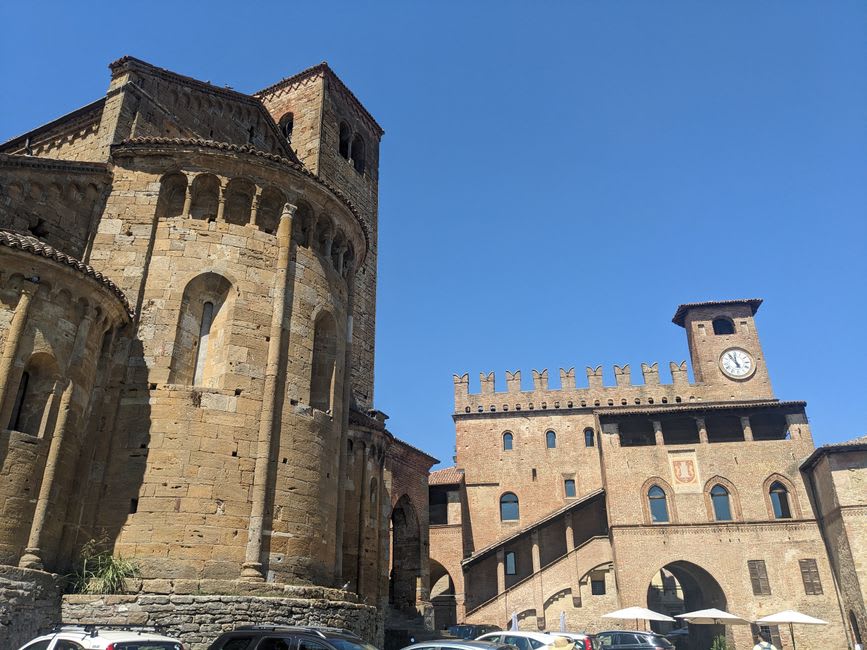
We parked below the walls and walked up, which is really the only way to understand this place. Every street bends back on itself, climbing toward the fortress the Visconti family built in the 14th century, and by the time we reached the top we were both a little out of breath and completely turned around. The piazza up there, with the Romanesque Collegiate Church of Santa Maria facing off against the Rocca, felt like stepping into a stage set. I later read the church was consecrated in 1122, which is almost impossible to hold in your head while you’re standing on its worn stone steps eating the piece of focaccia I’d smuggled up from a bakery near the car.
What I didn’t expect was the fossils. Lia is the geology nerd between us, and she practically dragged me into the Museo Geologico, muttering something about Pliocene marine beds. I went in mostly to humor her and came out genuinely rattled, standing in front of shells and shark teeth pulled from the Stirone river valley just outside town, proof that this whole hillside was once seabed. We walked down into that valley the next morning, now a protected regional park, and I kept looking at the exposed rock layers along the path differently, like I was reading pages instead of just seeing dirt.
That evening we ended up at a small enoteca off the main piazza, working through a bottle of Gutturnio that the owner recommended with a kind of quiet pride, telling us it came from vineyards we’d probably driven past without noticing. It’s a wine that punches harder than its price tag suggests, and it paired absurdly well with the tagliatelle we ordered, the kind of meal that makes you stop talking for a few minutes. I remember looking up at the Rocca lit against the dark and thinking that a town this small had no business being this layered, historically or geologically.
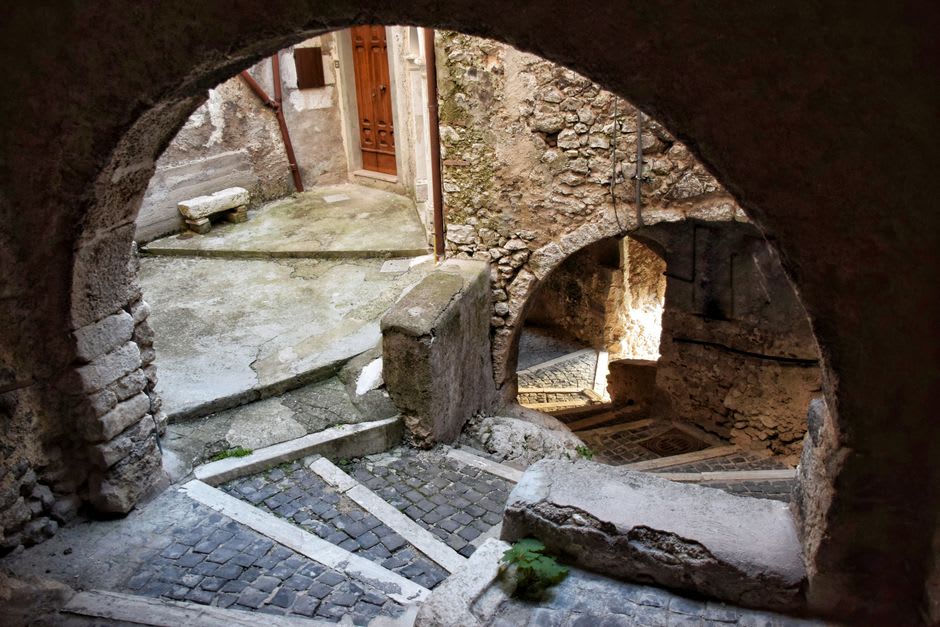
When to go: If you can time it, September brings the Palio del Torrione, when the town leans fully into its medieval character with flags and costumed processions through those same stepped streets. We went outside festival season, in a quieter shoulder month, and I’d still recommend spring or autumn for the Stirone valley hikes, when the light is soft and the trails aren’t baking.