
Santa Ana
"Santa Ana is a city that doesn't need you to be impressed — which is precisely why you will be."
The cathedral at Santa Ana is the most beautiful building I have seen in Central America. I want to say that plainly, without qualification, because it deserves the directness. The neo-Gothic facade rises over the central plaza in pale stone, its twin towers and carved arches an exercise in ambition that somehow doesn’t tip into excess. At dusk, when the light turns amber and the plaza fills with families and shoe-shine men and kids selling oranges in plastic bags of chili salt, the whole scene achieves something close to the operatic. I stood in front of it for a long time, not quite able to figure out what I wanted to photograph first.
Santa Ana is El Salvador’s second city, and it has the quietly self-possessed confidence of a place that doesn’t feel it needs to compete. The streets around the central plaza are laid out in the colonial grid — one-story houses painted in ochre and terracotta, wrought-iron windows, the occasional palacio municipal — and the city goes about its business with the unhurried rhythm that highland cities at altitude tend to find. Coffee is everywhere. This is the heart of El Salvador’s coffee country, and the cafés near the park serve cups that would be celebrated in any specialty coffee shop in Europe. Here they cost fifty cents.
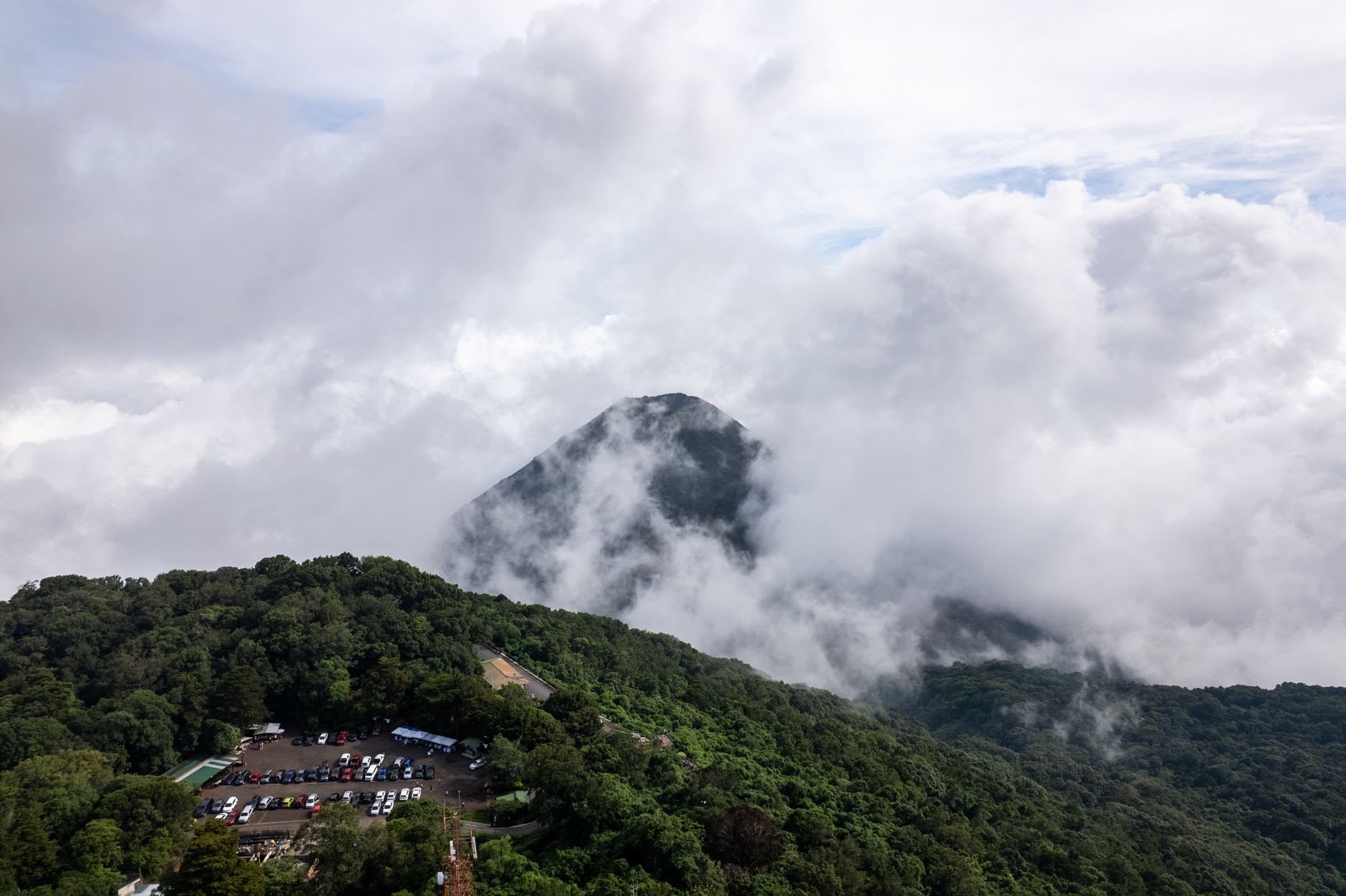
The Mercado Central is the city at its most alive. I went on a Tuesday morning, arriving before the heat built, and the market was already in full motion: the smell of copal and raw meat and overripe plantain, the sound of cumbia from a radio inside a stall selling plastic goods, a woman in a handwoven huipil weighing out black beans with the practiced efficiency of someone who has done this ten thousand times. I bought a bag of locally grown coffee, a bunch of loroco flowers — the blossom that goes into the best pupusas — and a cup of horchata from a woman who asked me where I was from and seemed genuinely pleased when I said France. Above the city, Volcán Santa Ana waits. The hike to the crater is one of the best half-days in El Salvador: a four-hour round trip through cloud forest and moonscape lava fields, ending at the rim of a turquoise crater lake that sits inside the cone like something left behind by a different geological era.
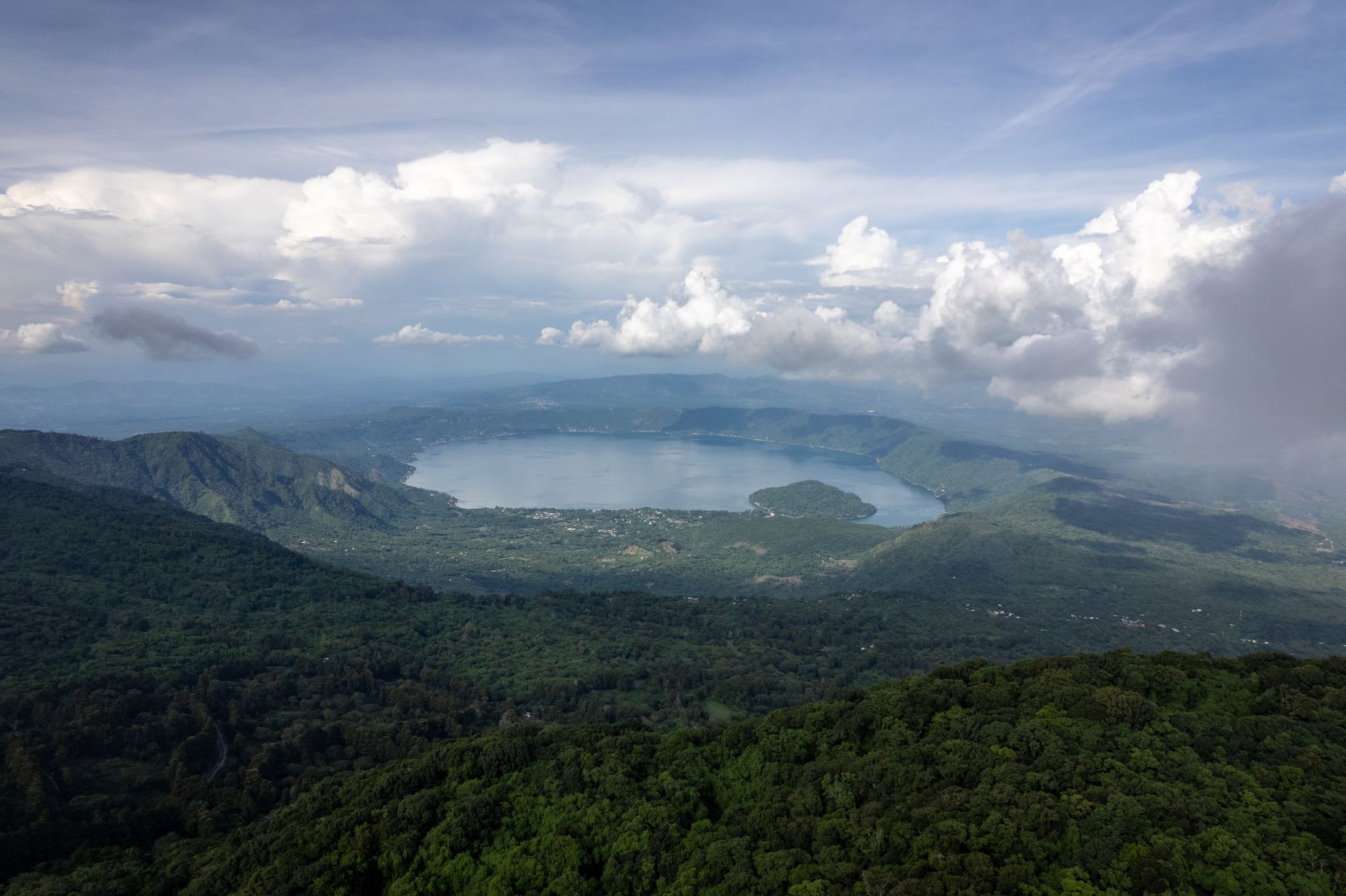
The ascent is supervised by park rangers, and on clear mornings the views stretch to the Pacific coast. I went early, arrived at the rim before the clouds rolled in, and ate a lunch of tamales I had bought in the city that morning while looking down into a lake the color of antifreeze. The city itself rewards an evening. There are bars around the plaza that fill after nine with a mix of university students and professionals, and the comedoras along the side streets do a roast chicken with curtido — fermented cabbage slaw — that I ate twice on consecutive nights without any shame at all.
When to go: November through March for the volcano hike — the dry season guarantees clearer views from the crater rim. Tuesday and Saturday mornings for the market at its most alive. The Santa Ana festival in late July is worth planning around if you can.