
Lago de Coatepeque
"Standing at the rim of Coatepeque looking down at that water, I kept thinking: nothing real is this color."
The road drops sharply after the rim, switchbacking down through coffee farms and cloud-forest vegetation before the lake suddenly appears below you, and when it does the effect is almost physical — a jolt of blue so saturated that your eyes take a moment to process it as water rather than paint. Lago de Coatepeque is a caldera lake, formed inside the collapsed crater of a volcanic system that last erupted roughly 72,000 years ago, and the combination of depth, mineral content, and the angle of the highland light produces a color that I have seen in photographs many times but still managed to find shocking when I saw it for myself. This is not a place that undersells.
I drove down from the rim on a Tuesday morning, which turned out to be the correct choice. The lake is popular with San Salvadoreños on weekends, the water dotted with inflatable toys and motorboats trailing water-skiers, which is fun in its own way but not quite the experience I was after. On a weekday the lake belongs mostly to the people who live on its shores — fishing families, small tilapia restaurants built on floating docks, the occasional kayaker. I rented a kayak from a family near the road and spent two hours paddling along the crater wall, which rises green and steep on all sides, enclosing the lake like a bowl.
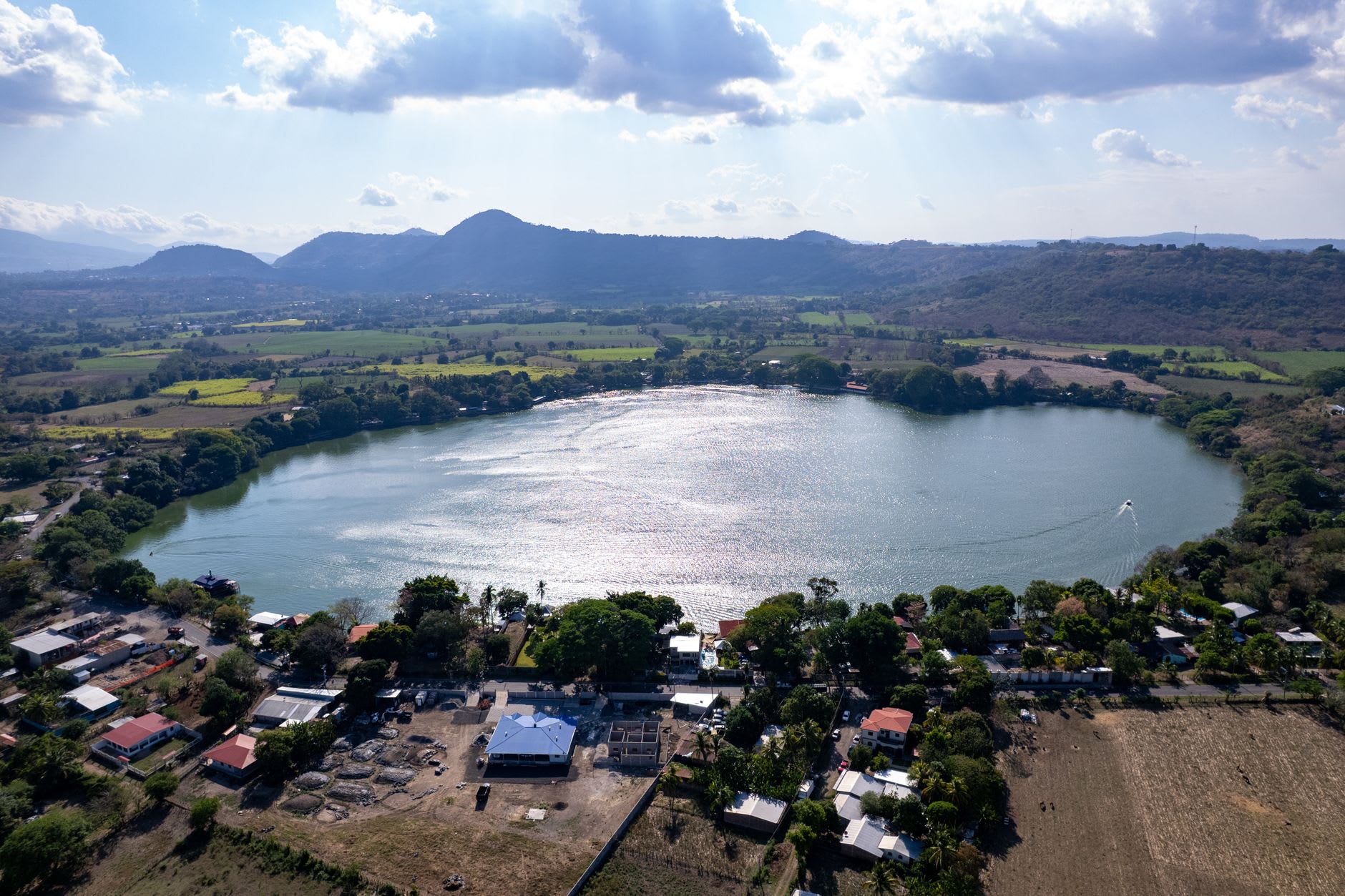
The water is warm and clear and volcanic — I swam for an hour in a cove where you could see the lakebed fifteen meters below, the sunlight bending through the blue in columns. There are hot springs along parts of the shoreline, noticeable as warm patches in the water that seem to rise from the rock itself. The caldera is geologically active, the whole system breathing slowly underneath. I ate lunch at one of the floating restaurants — tilapia pulled from the lake that morning, grilled with garlic and lime and served with rice and fried plantains. The woman running it brought me a second beer without asking and pointed out a hawk circling the crater rim. We sat for a while in the comfortable silence of people who have nothing to say but find the view sufficient.
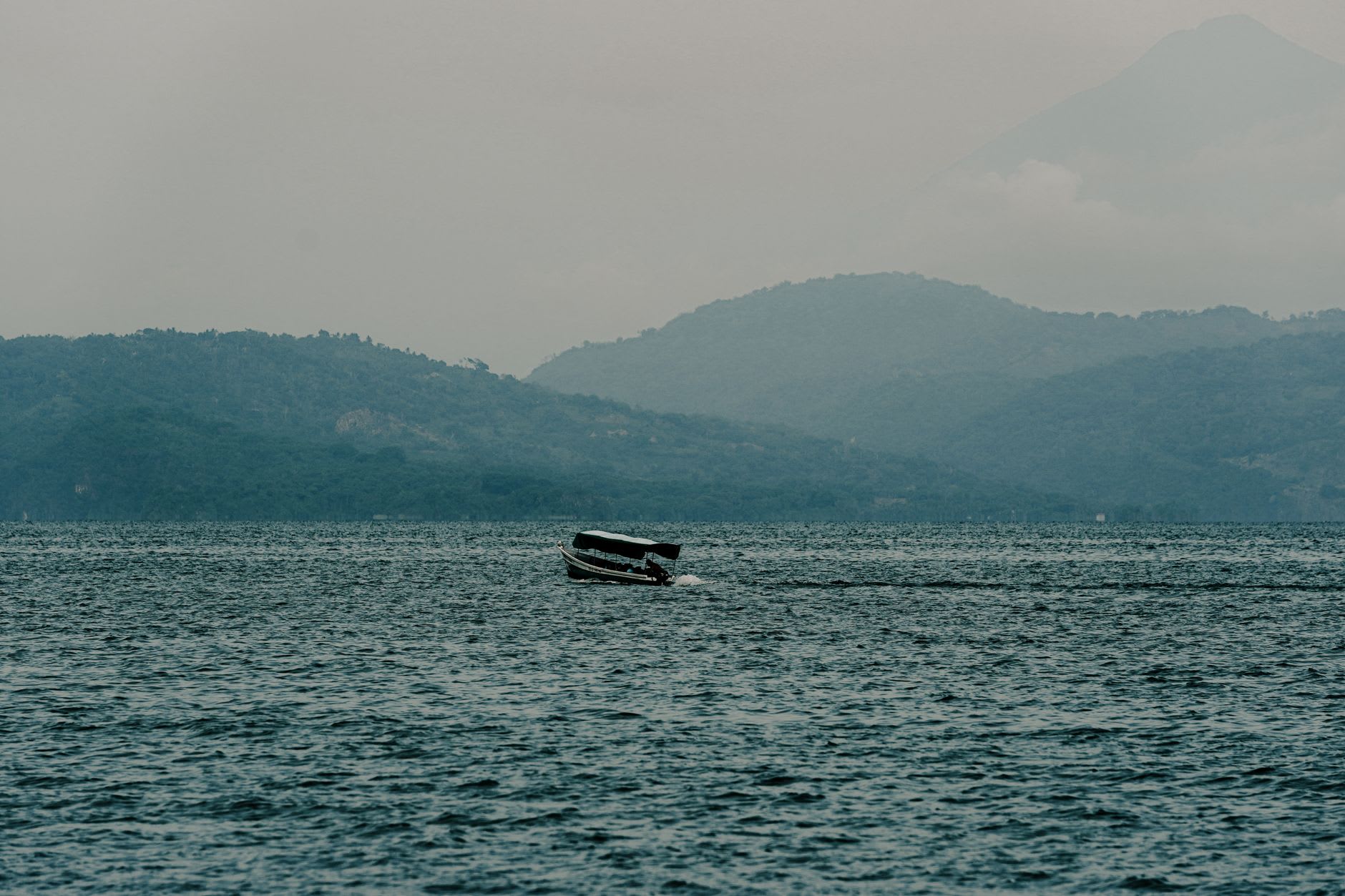
The coffee that came after lunch was grown on the slopes above us — she told me so when I asked — and it was, as coffee grown on the fertilized flanks of a volcano tends to be, very good. The hike along the crater rim offers the best views and the most exercise: a trail through cloud forest with glimpses of the lake below and, on clear days, Santa Ana volcano visible to the northwest. It is not a long walk but it requires attention underfoot where the path runs along steep volcanic rock. The full loop takes about two hours and repays the effort.
When to go: Weekdays from November through April for the calmest water and clearest skies. The lake is swimmable year-round but dry season makes the crater rim hike more comfortable. Arrive early before any clouds roll in from the Pacific — by ten in the morning the caldera can start to fill with mist.