
A small rural hamlet in Morazán holding the memory of the deadliest massacre of the Salvadoran Civil War with quiet, deliberate care.
I want to be careful about how I write this one, because El Mozote isn’t a destination in the way most places in this country are. There’s no wave to catch, no view to photograph for its own sake, no meal I’m going to describe with much enthusiasm. In December 1981, government soldiers killed nearly the entire population of this hamlet in Morazán — men, women, children, the elderly, over the course of days — in what stands as the largest massacre of the Salvadoran Civil War and one of the worst in modern Latin American history. I went because I felt I owed it to the place, and to the people who survived to make sure it’s remembered, to actually go rather than just read about it.
The drive in from Perquín takes you deeper into the mountains, past small farms and pine stands, the road narrowing as it approaches a hamlet that looks, on the surface, like dozens of others in the region — a church, a scatter of houses, fields on the slopes around it. What tells you this place is different is the memorial: a rose garden planted where the church once stood, silhouette cutouts of the victims arranged with names where they’re known, and a small museum nearby that documents both the massacre and the decade-long fight for it to be officially acknowledged and investigated.
What the guide told me
I went through the memorial with a local guide, a woman whose family has lived in the area since before the war, who spoke about the massacre with a composure that took me longer than it should have to understand was its own form of strength rather than distance. She told me about Rufina Amaya, the massacre’s most well-known survivor, who escaped by hiding in a tree and spent the rest of her life ensuring the world knew what happened here, testifying repeatedly even when the government of the time denied it outright.
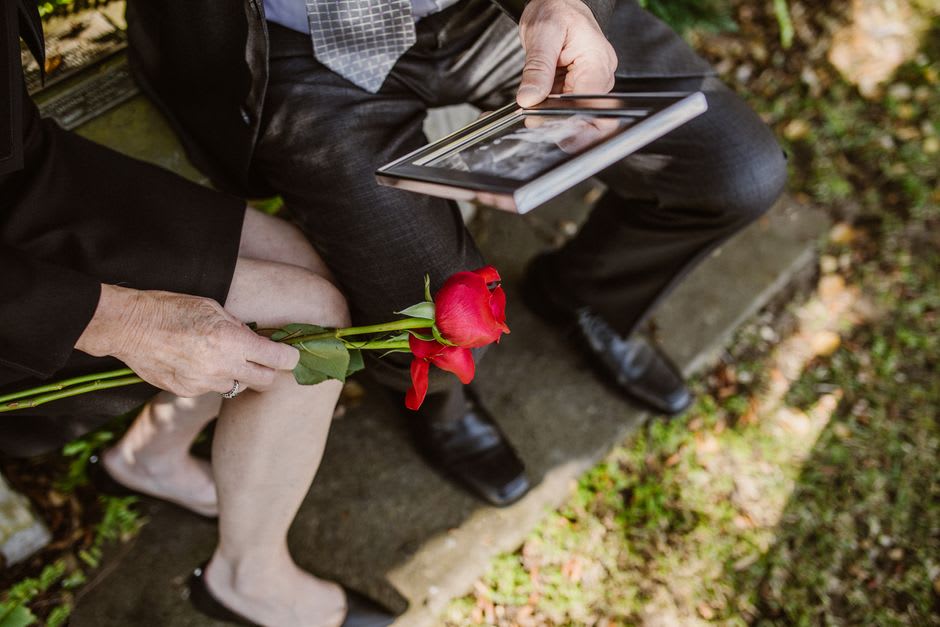
Walking through the small museum, past photographs and forensic reports from the exhumations that eventually confirmed the scale of what happened, I felt the specific, heavy quiet that these places require — not grief exactly, since it isn’t mine to grieve, but a kind of attention that felt like the least I could offer. Outside, birds were loud in the trees around the garden, and that ordinary sound against the weight of the place has stayed with me longer than almost anything else from the trip.
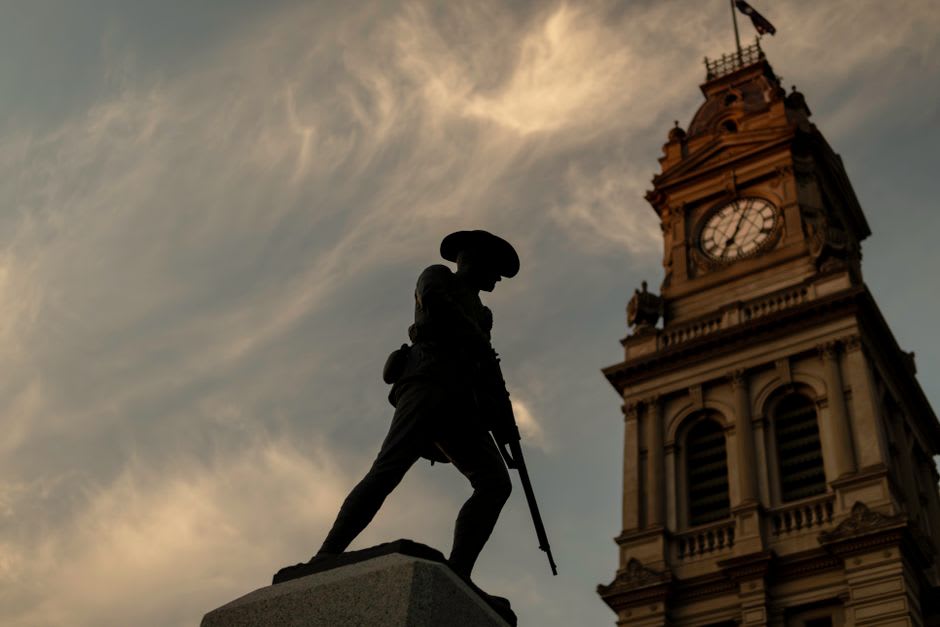
I don’t think El Mozote is a place you visit for an experience. I think it’s a place you visit because bearing witness, even briefly and as an outsider, matters — and because the people who survived and who keep this memory alive have asked, in their own quiet way, for exactly that.
When to go: Any time of year, though dry season (November to April) makes the mountain roads easier; go with a local guide from Perquín who can provide context, and allow the visit to be as brief or as long as feels right rather than treating it as a checklist stop.