
El Imposible
"The name is not hyperbole. El Imposible simply does not make itself easy to reach, and that is entirely the point."
The park gets its name from a ravine — Paso El Imposible — that historically made the transit of goods and people between the coast and the highlands genuinely treacherous, a narrow trail above a gorge where mule trains sometimes fell. The bridges changed the math on that, but the name stayed, and visiting El Imposible still requires the kind of planning that discourages casual drop-ins: it sits in the far southwest corner of El Salvador, the roads from the nearest town of Tacuba are rough, and access requires advance registration through SalvaNATURA, the conservation organization that manages the park. All of this is by design. The difficulty filters the visitor numbers, and the park rewards those who clear it.
I arrived at the ranger station in the early morning with a guide arranged through Tacuba — a man named Ernesto who had worked in the park for eleven years and moved through its trails with the unhurried confidence of someone who knows every sound in a forest as a specific thing rather than background noise. The first hour of the main trail climbs steeply through dry deciduous forest, the kind of vegetation that looks almost scrubby and poor from the outside but turns out to harbor a density of bird and reptile life that takes a calibrated eye to see. Ernesto stopped frequently to point: a glass lizard motionless on a rock, a turquoise-browed motmot in a dead branch overhead, the nest of a crested caracara constructed in a ceiba tree that must have been four hundred years old.
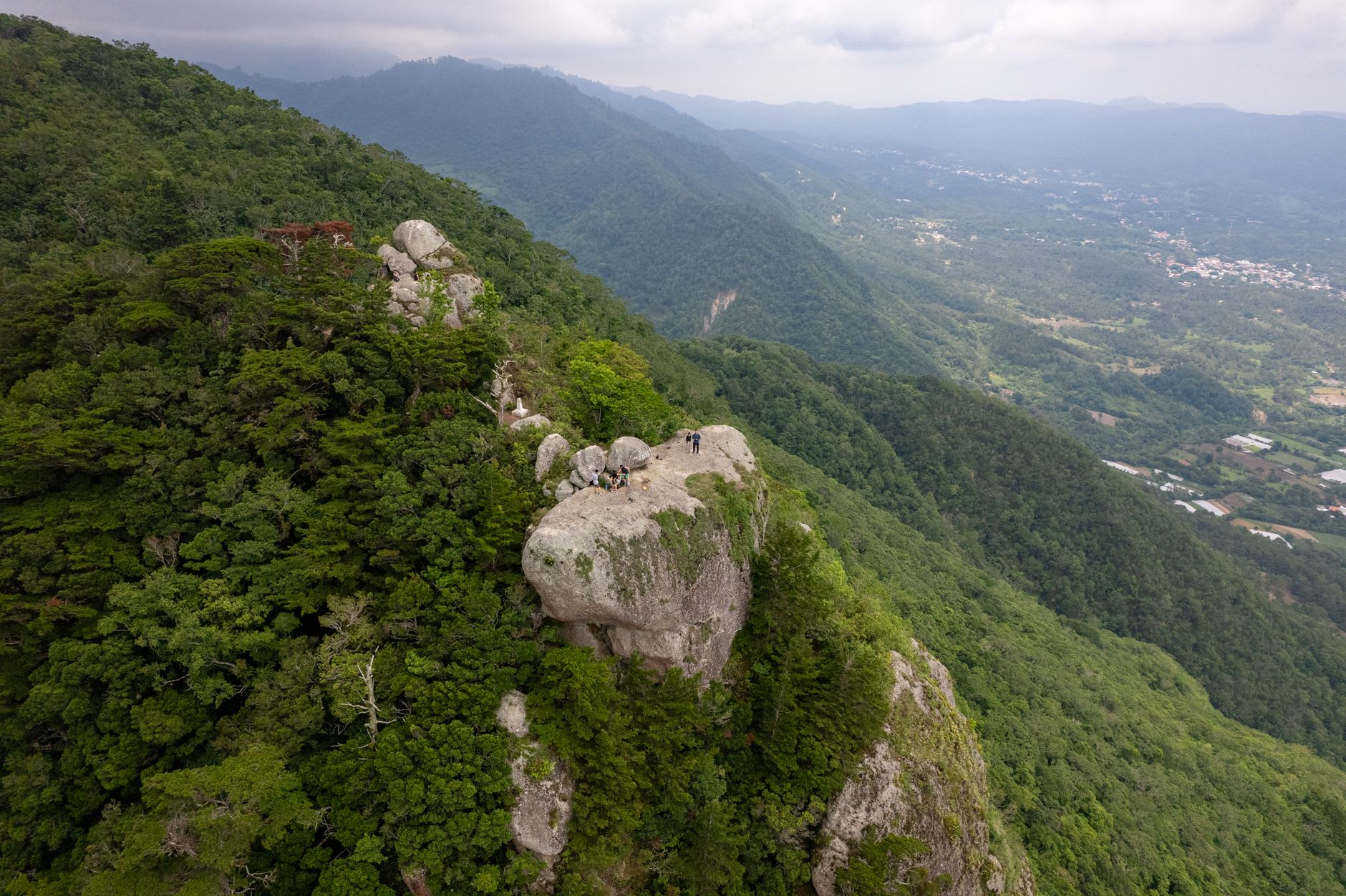
The terrain shifts as you descend toward the Río Venado — from dry hillside into riparian gallery forest, where the air cools immediately and the light falls green and diffused through a closed canopy. The river is clear and cold and shallow enough to wade across, and we stopped there for an hour while I ate the lunch I had brought from Tacuba — tortillas with black beans and a plantain, simple and exactly right — and listened to the water. El Imposible holds over 300 species of birds, 500 species of plants, and is one of the last habitats for several large mammals in El Salvador including pumas and jaguarundi, though the chances of seeing these are remote and Ernesto said so without pretense. What you will see are the tracks, the scat, the evidence of a functioning ecosystem operating without pause whether you are there or not.
The return climb in the afternoon was harder than the morning descent, the heat building through the canopy. By the time I reached the ranger station again I was properly tired in the way that forests make you tired — the kind of exhaustion that has nothing anxious in it, nothing left unsatisfied. Ernesto told me that most visitors say they will come back and most of them do. I wrote that in my notebook. The park is home to El Salvador’s last significant old-growth forest, which makes it a rarity not just for the country but for Central America as a whole. Over two thousand plant species have been recorded here. That number keeps adjusting upward as surveys continue, which tells you something about how much is still being learned.
When to go: November through April for dry trails and manageable heat. Book through SalvaNATURA at least a few days in advance and arrange a guide through the park or through Tacuba guesthouses. Go early — wildlife is most active at dawn and the afternoon heat at lower elevations is serious. Bring more water than you think you need.