Concepción de Ataco
"I turned a corner in Ataco and walked straight into a wall painted like a jungle, and that happened about every thirty seconds for two days."
A Route of Flowers town that turned every blank wall into a mural, best experienced on a Saturday morning when the artisan market spills out from the plaza in every direction.
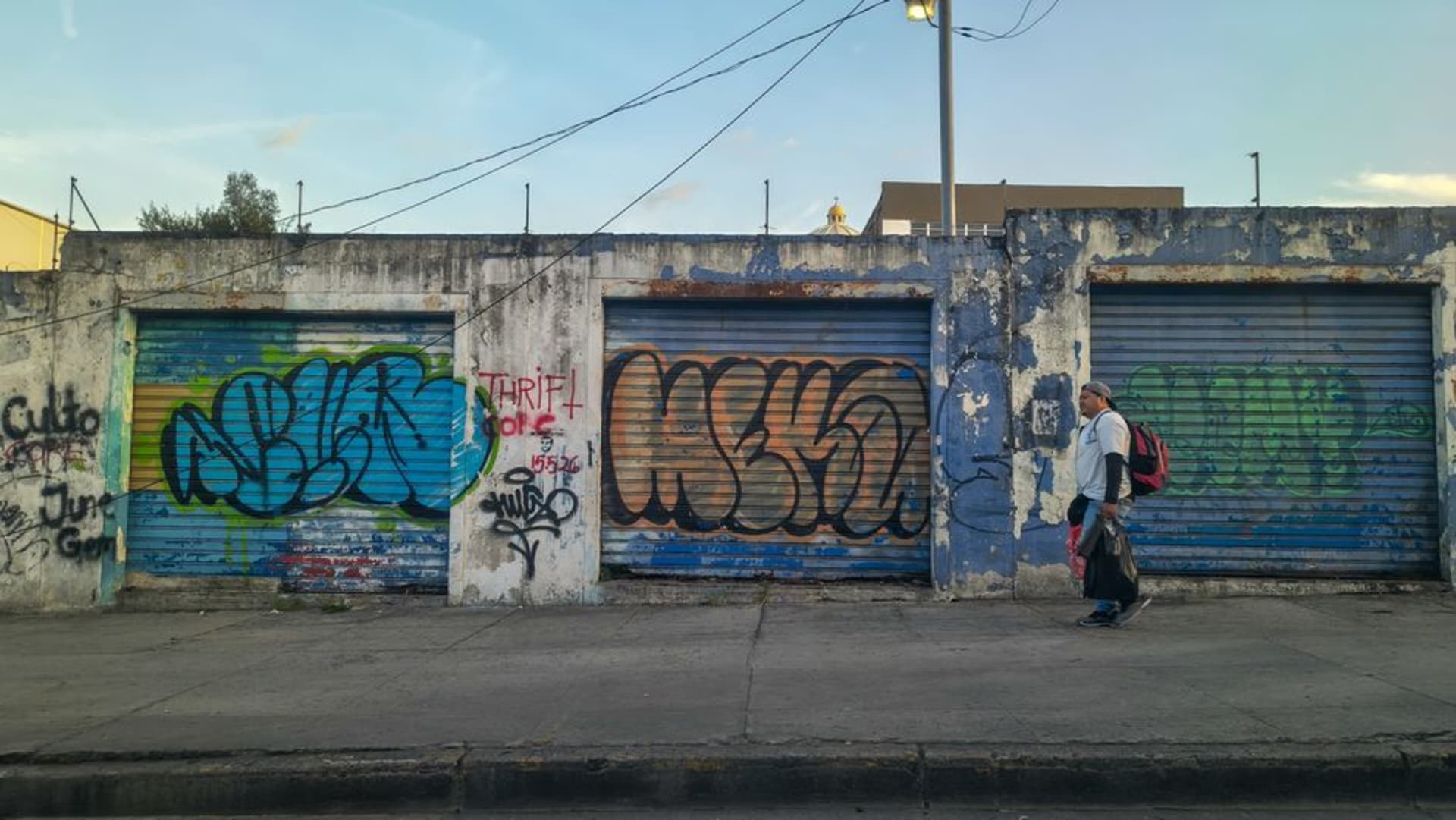
I’d been told Ataco was pretty. What nobody mentioned was how relentlessly, almost aggressively colorful it is — I turned my first corner off the main street and found an entire building painted as a tropical bird mid-flight, feathers rendered in blues and oranges that seemed to vibrate slightly in the midday sun. Then the next building was a scene of women in traditional dress carrying baskets of flowers. Then a rooster the size of a car door. Concepción de Ataco, to give it its full name, has embraced mural painting as a civic identity in a way I haven’t seen anywhere else on the Route of Flowers, and by the end of my first hour walking the cobblestones I’d stopped trying to photograph every wall and just let myself wander.
Saturday morning, before the tour buses
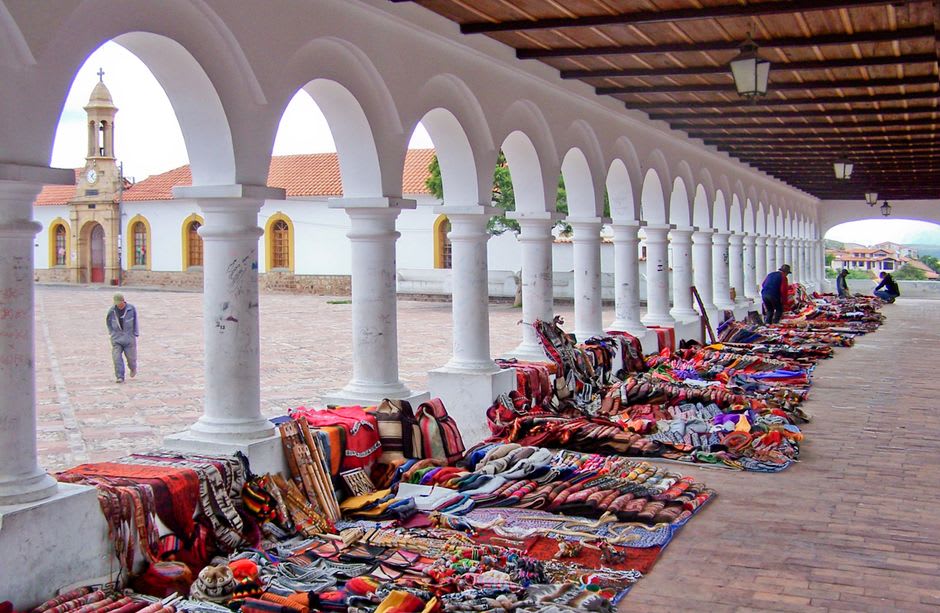
I made the mistake, on my first visit, of arriving on a weekday afternoon, when Ataco is pleasant but quiet, half the shops shuttered, the plaza mostly empty except for a few older men on benches. I came back the following Saturday and the difference was total. The streets around the plaza fill before eight in the morning with stalls selling embroidered textiles, leather goods, carved wooden masks, and food — pupusas revueltas, yuca frita, coffee poured from thermoses by women who’ve been setting up the same corner for years. I bought a small woven bag from a vendor who told me, unprompted, that she’d learned the pattern from her grandmother and that nobody younger in her family wanted to learn it now. She said it without bitterness, more as an observation, but it stuck with me the rest of the day.
A morning among the coffee farms
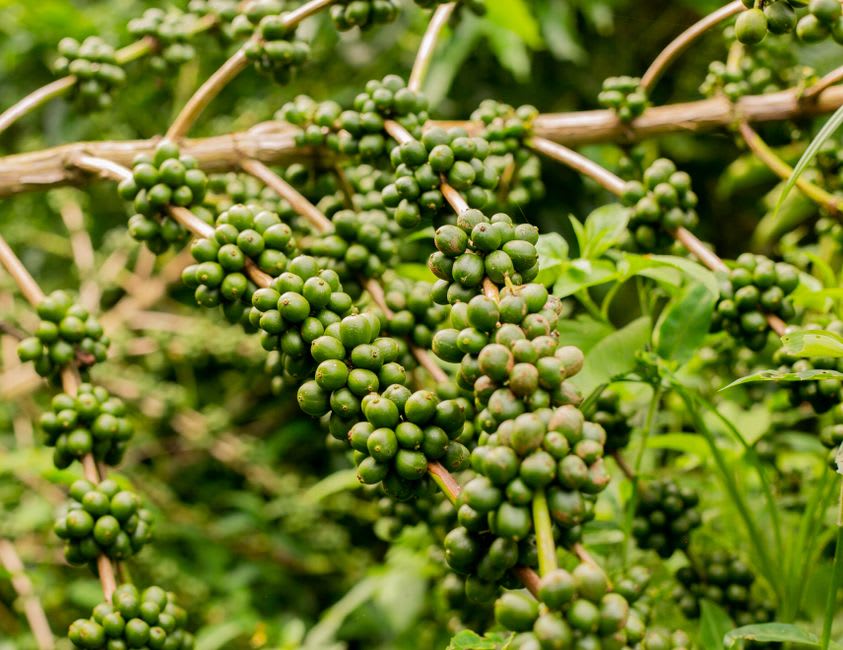
Ataco sits close enough to several working coffee farms that a half-day trip is easy to arrange through almost any guesthouse in town. I went out with a guide named Walter to a farm on the slopes above the town, where rows of coffee grew in the dappled shade of taller inga trees, exactly the kind of shade-grown, bird-friendly cultivation the region is known for. Walter cracked open a dried cherry to show me the parchment layer underneath, then the green bean inside that, and walked me through the whole chain from cherry to cup with the patience of someone who genuinely liked explaining it rather than performing it for the tenth time that week. We finished on a terrace overlooking the valley, and the coffee tasted noticeably different from what I’d had lower down the mountain — brighter, almost citrusy, which Walter attributed entirely to the altitude and the volcanic soil.
By the time I left Ataco, I’d stopped being able to distinguish which murals I’d seen on which day — they blur together into a single impression of a town that decided, at some point, that color was worth the effort. It’s the kind of decision that could feel gimmicky elsewhere. Here it just feels like the town being fully, unapologetically itself.
When to go: Saturday or Sunday for the artisan market at full strength. November through January for cool, clear weather and the tail end of coffee harvest on the surrounding farms.