Vilcabamba
"They call it the Valley of Longevity, and after four days there I understood why nobody was in a hurry to leave."
A valley in the far south of Ecuador that built its reputation on rumors of centenarians, and now runs on a slower clock than anywhere else I found in the Andes.
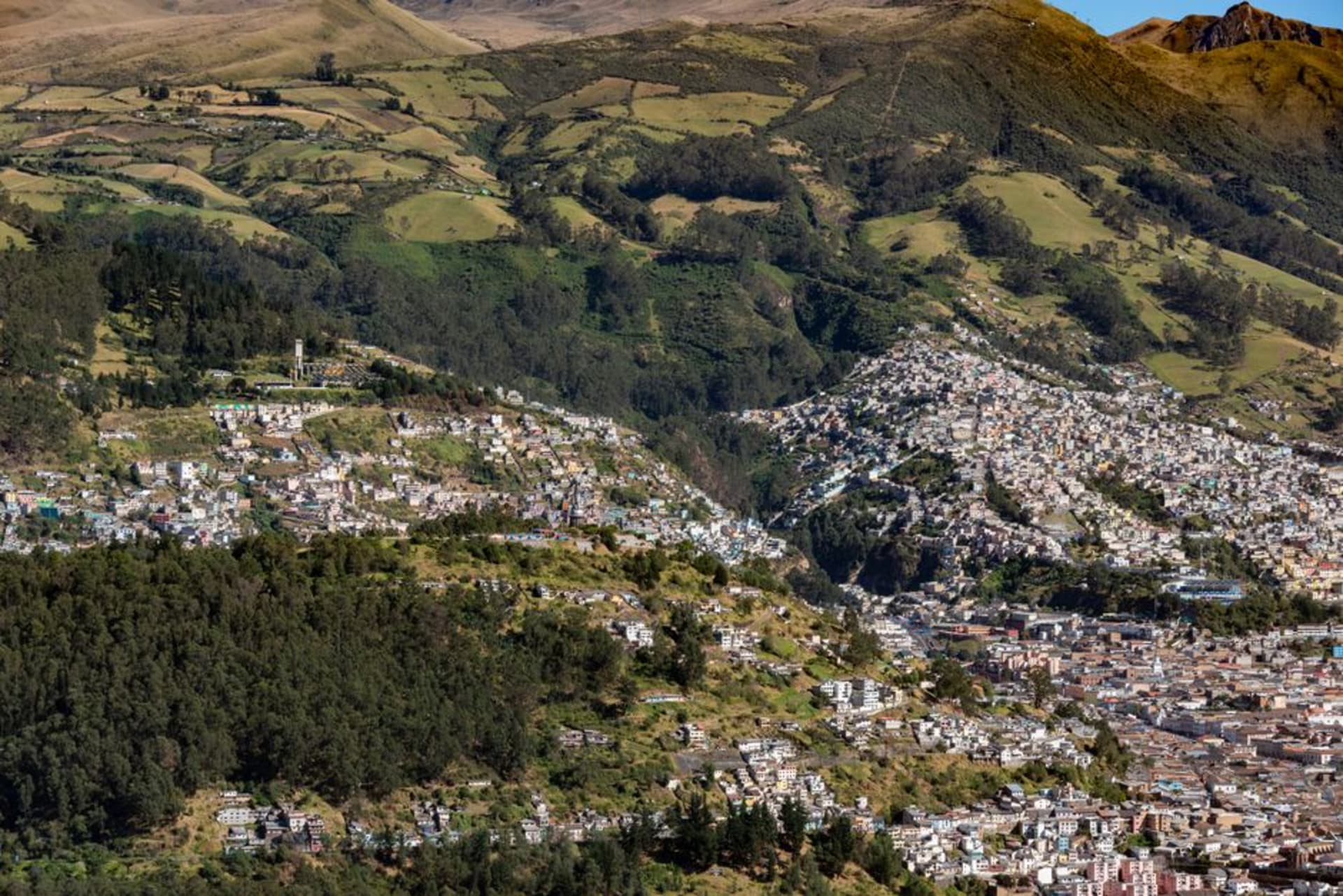
I got to Vilcabamba on the last bus out of Loja, arriving in the dark with no reservation, and woke up the next morning to a mountain shaped like a sleeping man staring in through the window. That’s Mandango, the ridge that gives the valley its silhouette, and it took me about ten minutes of coffee on the hostel terrace to understand why people who came here for a weekend in the seventies are still here.
The Longevity Story, and What’s Actually True
Vilcabamba built its name on a 1970s wave of research claiming an unusual concentration of centenarians in the valley — Andean elders reportedly living past 100 in disproportionate numbers, credited to clean water, hard physical labor, and low stress. Later demographers picked the claims apart; a lot of the “documented” ages turned out to be exaggerated or unverifiable, birth records in rural Ecuador in the early 1900s being what they were. I mention this because almost nobody in town brings it up unprompted, but the myth is still doing quiet work — it’s why the valley filled with health retreats, yoga studios, and raw-food cafés instead of staying an anonymous farming village, and why I met more retired Americans and Europeans in three days than in the rest of Ecuador combined.
Mandango and the Valley Floor
The Mandango hike leaves right from the edge of town and climbs steeply through pasture and dry scrub to a ridge with views down both sides of the valley — the Río Chamba cutting through cultivated fields on one side, forested slopes climbing toward Podocarpus National Park on the other. It’s about three hours round trip if you don’t linger, though I lingered, eating an orange at the highest cross on the ridge while a hawk worked the thermals below me, which felt like a small inversion of how that’s supposed to go.
Life at Valley Pace
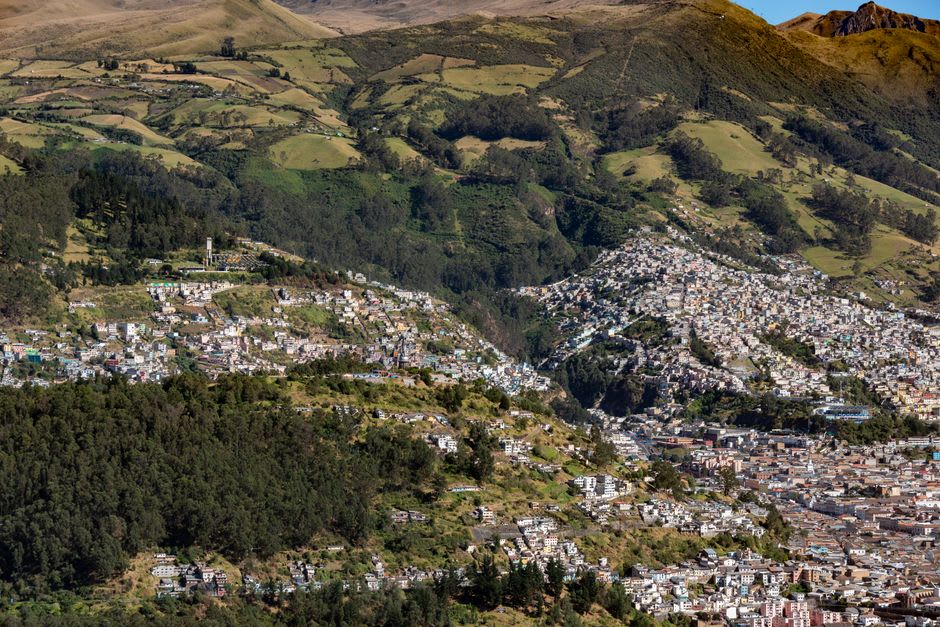
The town itself is small — a central plaza, a church, a produce market on weekends where farmers bring down guanabana and tree tomatoes from the surrounding fincas. I rented a bike from a shop near the plaza and rode out along the dirt roads that fan out from town, past horse pastures and small organic farms selling honey and cacao at roadside stands on the honor system. Lia found a masseuse working out of her house near the river who’d learned from her mother, and came back looser than I’d seen her in weeks. There’s a version of Vilcabamba that’s all crystal shops and sound baths, and there’s a version that’s just an unusually pretty subtropical valley where the produce is good and nobody honks. Both versions exist at once, and you get to choose which one you notice.
When to go: Vilcabamba sits at a lower, warmer altitude than most of the Andean highlands, so it’s pleasant nearly year-round. October through January tends to be driest. Whatever the actual life-expectancy numbers turn out to be, four days at this pace is a genuine argument for slowing down.