Loja
"Nobody in Loja seemed to be trying to sell me anything, which after a month in Ecuador felt like its own kind of tourist attraction."
A tidy, self-possessed Andean city in the far south that calls itself Ecuador's cultural and musical capital, and largely earns the claim without needing to convince anyone of it.
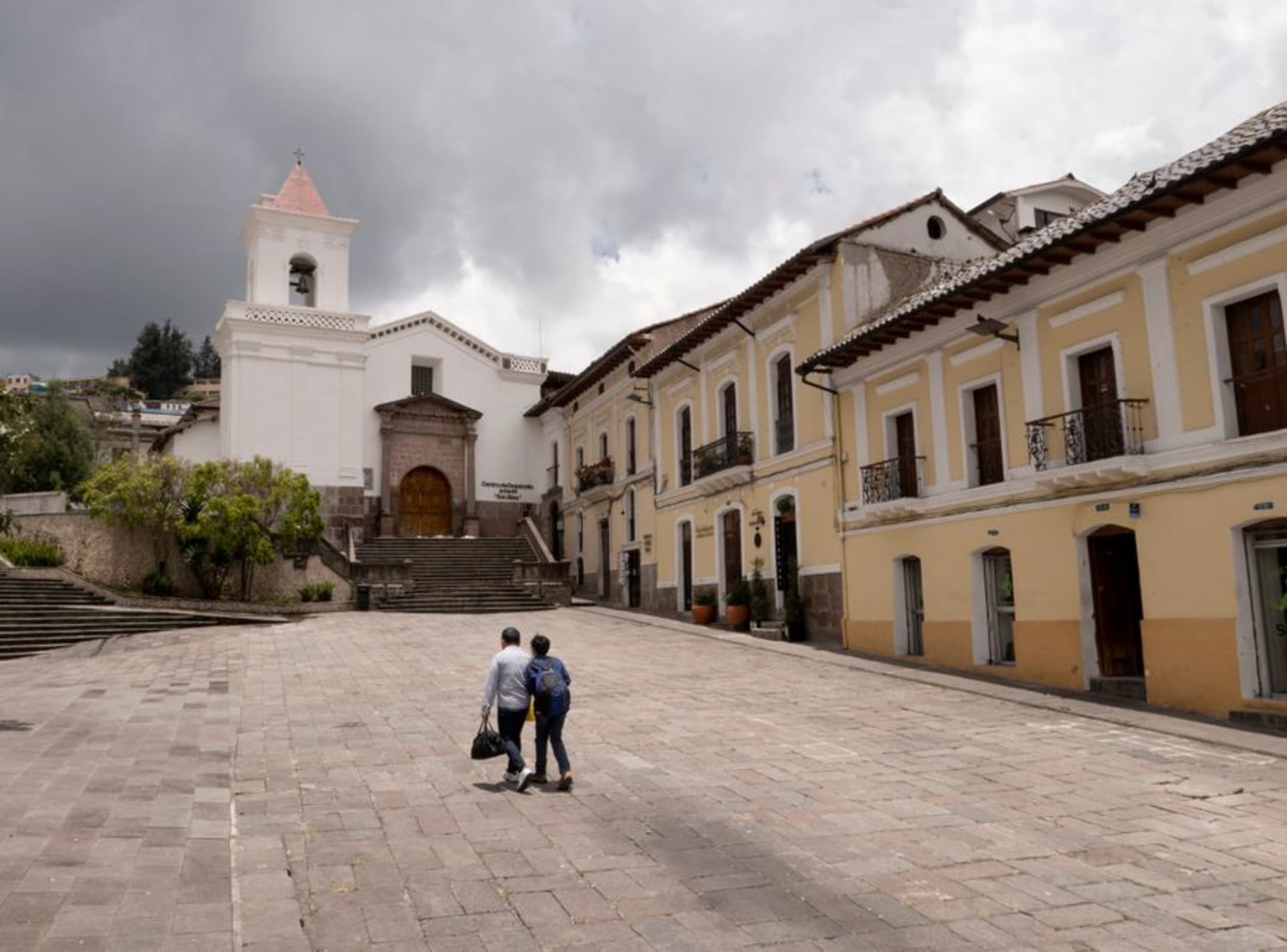
I came to Loja mostly as a stopover between Vilcabamba and Cuenca and ended up staying three extra days, which surprised me more than it should have — this is a city that doesn’t advertise itself hard in the way Cuenca or Quito do, and as a result it took me a full day to notice how much I liked it. The streets in the historic center are clean and orderly to a degree I hadn’t seen elsewhere in Ecuador, the traffic is calmer, and there’s a specific unhurried civic pride that comes through in small things: parks that are actually maintained, a functioning public music school, buskers who are conservatory students rather than street performers hustling for tips.
The Musical Capital Claim
Loja calls itself Ecuador’s cultural and musical capital, and the claim rests on a genuinely deep local tradition — the pasillo, a melancholic Ecuadorian musical form, has some of its strongest roots here, and the city has produced a disproportionate number of the country’s noted musicians and composers. There’s a conservatory, regular free concerts in the Parque Central, and a general civic seriousness about the arts that shows up even in casual conversation; a taxi driver spent ten minutes of a fifteen-minute ride explaining the difference between pasillo and the Peruvian vals to me, unprompted, clearly enjoying the chance to make the distinction.
The Parque Universitario and a City That Plans Ahead
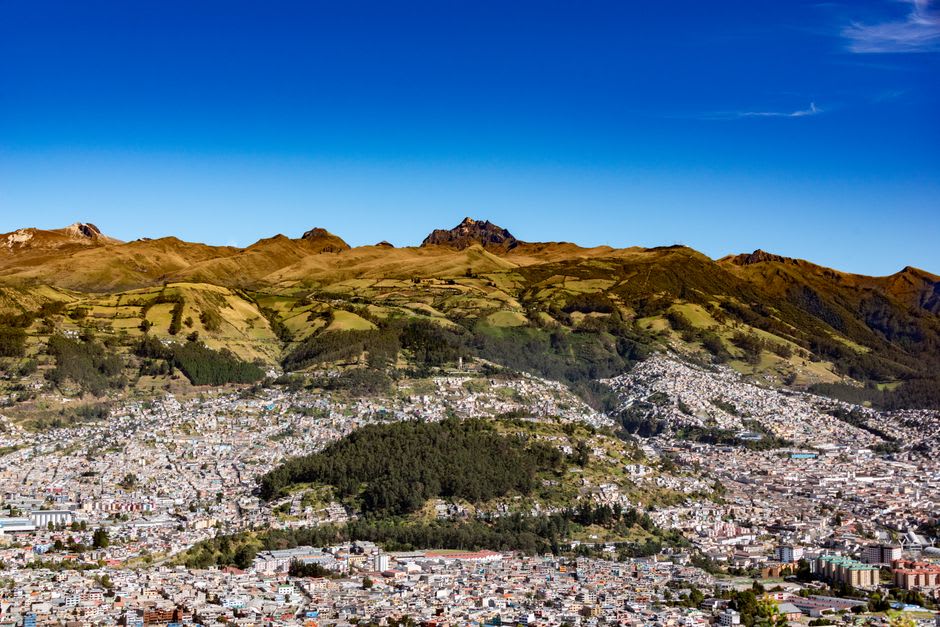
On the edge of downtown, the Parque Universitario Francisco Vivar Castro is an unusually thoughtful piece of urban green space — botanical gardens, a small zoo focused on native Ecuadorian species, walking paths along the river, built with an evident intention to be used rather than just admired from a bus. Loja has also positioned itself, somewhat quietly, as one of Latin America’s more environmentally conscious cities, an early adopter of clean-energy initiatives and stricter building codes in the historic center. None of this makes for a dramatic postcard, but it makes for a genuinely pleasant few days on foot.
Gateway South and East
Loja’s other real function is logistical: it’s the last significant city before Vilcabamba and the Peruvian border to the south, and the access point for Podocarpus National Park’s higher entrance to the east, where the cloud forest starts almost at the edge of the urban grid. I used it as a base for a day trip into Podocarpus and came back into the city in the evening to eat cecina — a marinated, grilled pork dish the region does particularly well — at a market stall that had a line of locals rather than travelers.
When to go: Loja’s climate is mild and fairly consistent year-round given its altitude, though September through December tends to be driest. If you can align your visit with one of the city’s music festivals, particularly around its September anniversary celebrations, you’ll see a side of Loja that the daytime version doesn’t show.