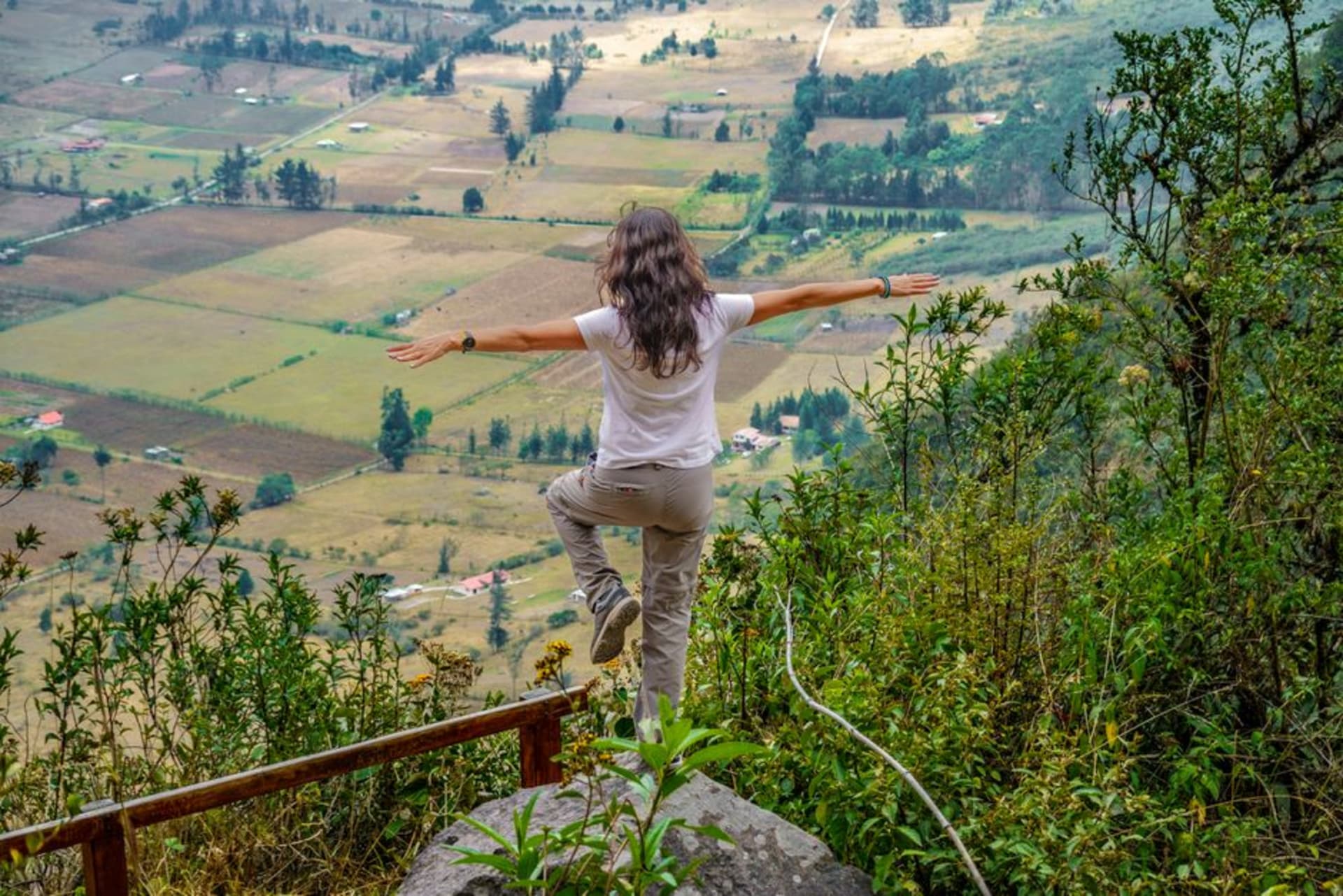
Ingapirca
"It's a fraction of the size of Machu Picchu and I had the whole terrace to myself for twenty minutes."
Ecuador's largest surviving Inca complex, an elliptical sun temple built on top of an older Cañari site, in a windswept highland setting that most Andes-bound travelers rush past.
I drove up from Cuenca on a Sunday, mostly because I’d read that the market in the nearby village overlaps with the ruins opening hours, and arrived to find maybe a dozen other visitors scattered across a site that felt built for a hundred times that many people and none of the crowd. Ingapirca sits at close to 3,200 meters on a windswept plateau in Cañar province, and the wind is the first thing you register — it comes across the open highland with nothing to slow it down, and by the time you reach the main temple you’re leaning into it.
Two Cultures, One Wall
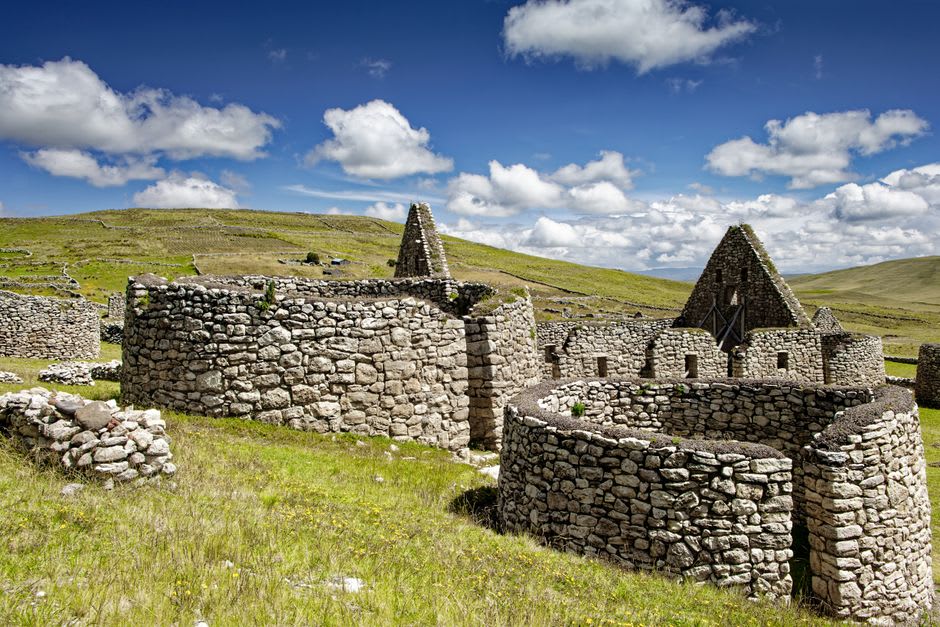
What makes Ingapirca different from the Peruvian Inca sites I’d seen is the layering. The Cañari people built here first, worshipping the moon, and when the Inca absorbed the region in the late 1400s they didn’t erase the existing structures so much as build alongside and on top of them, adding their characteristic sun-worship architecture and precision stonework. The result is a site with two belief systems visible in the same footprint — round Cañari foundations next to the Inca’s famous fitted trapezoidal stonework, laid without mortar, the blocks shaped so precisely that a knife blade won’t fit between them.
The Temple of the Sun
The centerpiece is the elliptical platform known as the Temple of the Sun (or Castillo), built from carved volcanic stone with an orientation calibrated to the solstices — a guide walked me through how the angles catch the light on June 21st, which apparently draws a small crowd of its own. Climbing the platform itself isn’t permitted anymore, out of conservation concerns, but walking the perimeter and the surrounding storage structures and ceremonial baths gives a real sense of scale. There’s a small on-site museum with recovered ceramics and a mummified body found nearby, worth the fifteen minutes it takes to see it.
The Face of the Inca
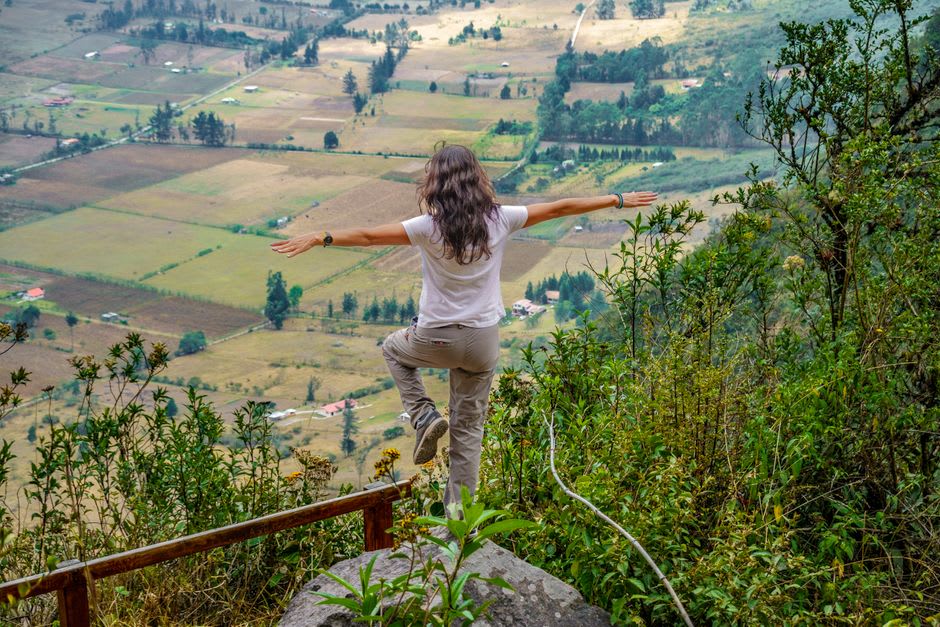
About a twenty-minute walk from the main complex, along a path through farmland, is a rock formation locals call the “Rostro del Inca” — the Face of the Inca — a natural profile in the cliff face that, depending on how generous your imagination is feeling, does resemble a human face looking out over the valley. I went with low expectations and came away convinced, which says something about either the rock or the altitude.
When to go: The dry months of June through September give the clearest views over the surrounding plateau. If you can, time your visit for a Friday or Saturday, when the small town of Ingapirca a few minutes away runs a genuine local market rather than a tourist one — I bought a bag of choclo con queso from a woman who’d clearly never heard of the ruins’ opening hours and didn’t care.