Sabrosa
"Fernão de Magalhães was born here and went on to circumnavigate the world. The village does not seem particularly burdened by this."
I found the plaque almost by accident. It is set into the wall of a house on a side street in Sabrosa, modest enough to miss if you are walking purposefully rather than wandering, and it announces that on this site or near this site in approximately 1480 was born Fernão de Magalhães — Ferdinand Magellan — who went on to lead the first circumnavigation of the globe. There is no museum, no tourist office, no gift shop selling compasses and commemorative wine. The house is someone’s home. A cat was asleep on the windowsill directly below the plaque when I stood reading it, and the cat communicated, with the authority of its species, that this was not a place arranged for ceremonies.

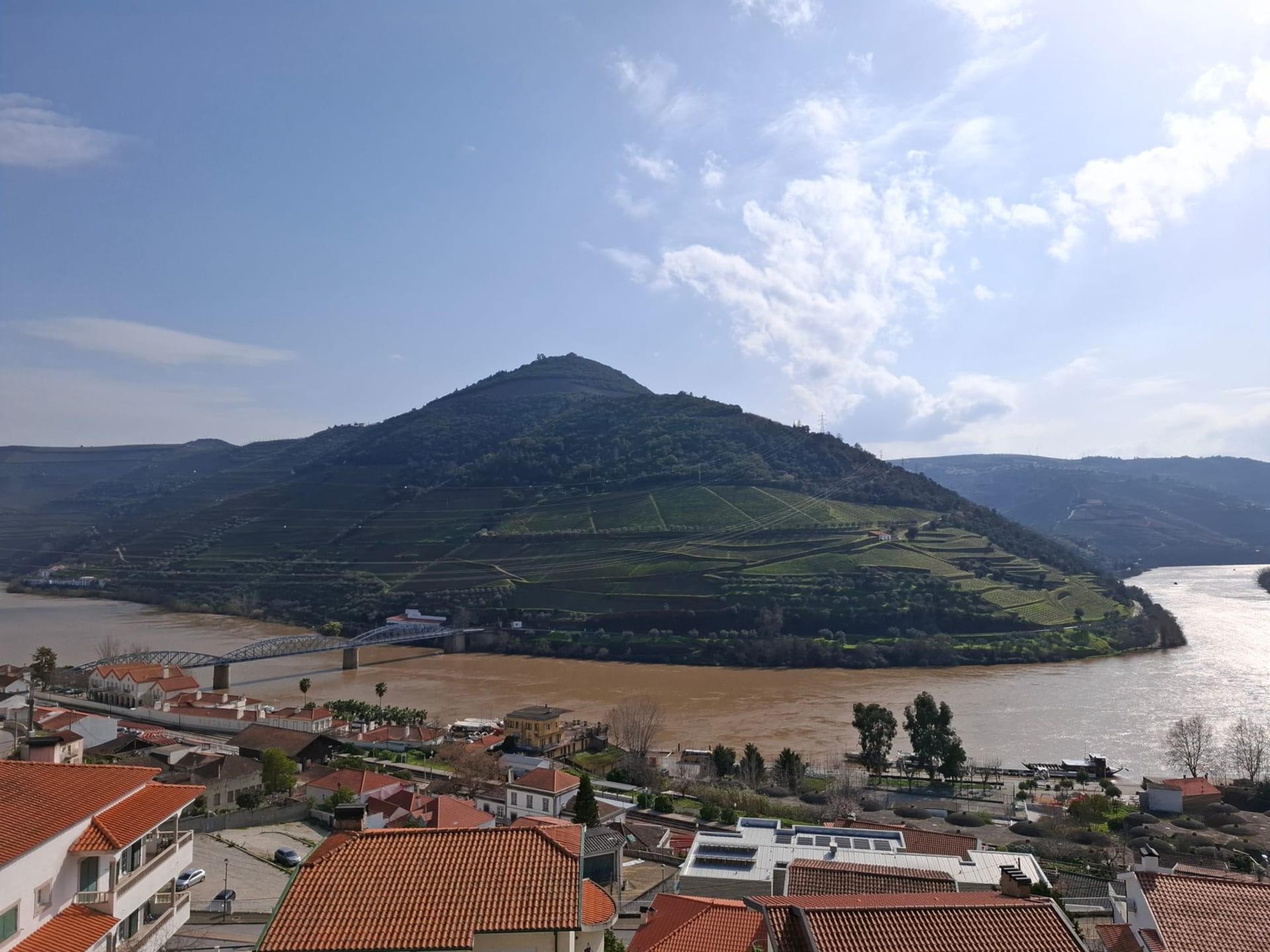
Sabrosa is a village of about a thousand people sitting on a ridge above the Douro at roughly four hundred metres, surrounded by terraced vineyards on all sides. The ridge position means that the view in every direction involves a long descent through schist and vine to the river, which catches the late afternoon light in the valley below with a quality that makes the terraces look almost luminous. The village itself is built in the schist vernacular — dark stone, narrow streets, houses fitted together with the pragmatic logic of buildings that had to be made from what the hillside provided. It is a comfortable village rather than a beautiful one, which is a distinction the Portuguese themselves seem to understand better than their visitors.
The wine quintas in the Sabrosa area include some of the Douro’s most interesting producers. Quinta de Nápoles — part of the Symington family empire — sits on the hillsides below, its terraces visible from the village square on a clear day. Several smaller producers operate out of cellars that look like garages and produce wines that would ruin you for supermarket bottles. I stopped at one with no sign at the gate, following a recommendation from the woman who runs the single café on the main square, and spent an hour tasting with the owner’s daughter, a winemaker in her mid-twenties who had done a harvest in Burgundy and come back to the Douro with a confirmed conviction that the valley’s indigenous grapes are among the most interesting in Europe. She was not wrong.

Lunch in Sabrosa was at the café — a bifana, the Portuguese pork sandwich that when done correctly, with the pork braised in wine and garlic until tender and then griddled, is one of the great simple foods of the country — and a glass of the house vinho verde, which came from a producer two villages away and tasted of summer. I sat outside in the square and watched the village go about its afternoon. Nobody was on their way to anywhere particularly interesting. The cat reappeared. The Douro gleamed in the valley below. Magellan, wherever he ended up, started here.
When to go: Sabrosa rewards a stop in any season, though the spring — March through May — is when the vineyards below are freshest and the view most vivid. Harvest season brings activity to the surrounding quintas and the village feels less empty. The café keeps long hours by local standards and the owner will tell you which producers are worth visiting without being asked.