
Sarlat-la-Canéda
"The smell of duck fat and black truffle on a Saturday morning — that is what this town actually is."
I arrived in Sarlat on a Saturday morning in late October and made the rookie mistake of trying to drive into the center. The market had already colonized every street. Not just the main square — every cobbled lane, every alley that my map suggested might serve as a shortcut, every archway that looked promising from a distance. Within ten minutes I had reversed out of three different dead ends and given up, parking on a suburban street and walking in through a medieval gate on foot, which turned out to be exactly the right approach anyway.
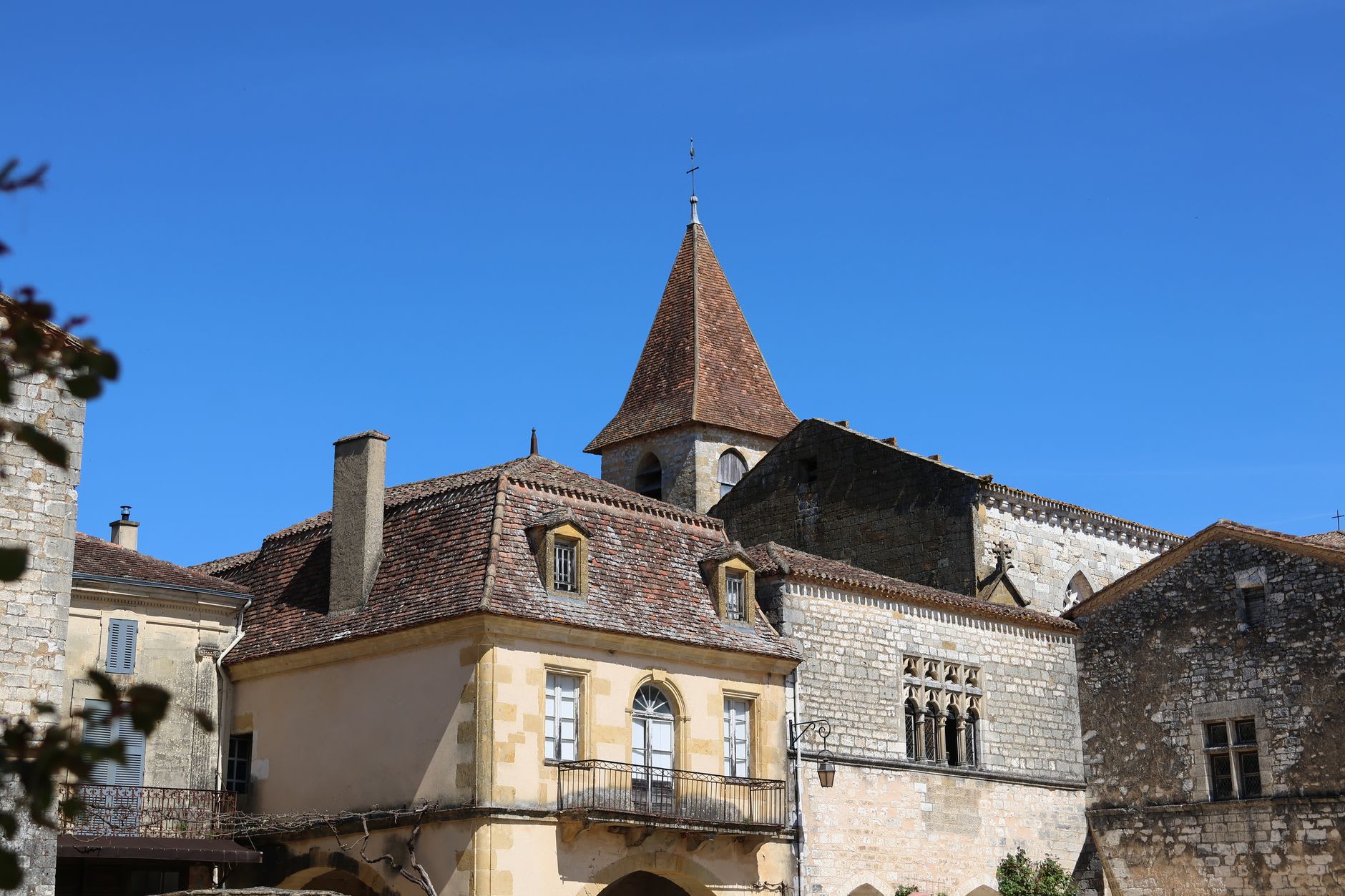
The market itself is the reason Sarlat exists in the French travel imagination, and it earns the attention. Under the pale October sky, between buildings so perfectly medieval they look like a film set — honey-colored stone, pointed towers, arched windows with iron fixtures — the stalls spread a catalog of everything that makes the Périgord noir what it is. Duck confits in fat-filled cans. Blocks of foie gras wrapped in butcher paper. Walnut oil in dark glass bottles. Jars of black périgord truffle. Flat rounds of walnut bread still warm from a wood oven. The smells layered on top of each other: animal fat, earthy mushroom, something sweet from a pastry stall around the corner. I bought a quarter of a duck confit, a jar of walnut oil, and more truffle paste than I needed, and stood eating a cheese crêpe at the edge of a fountain while the town moved around me.
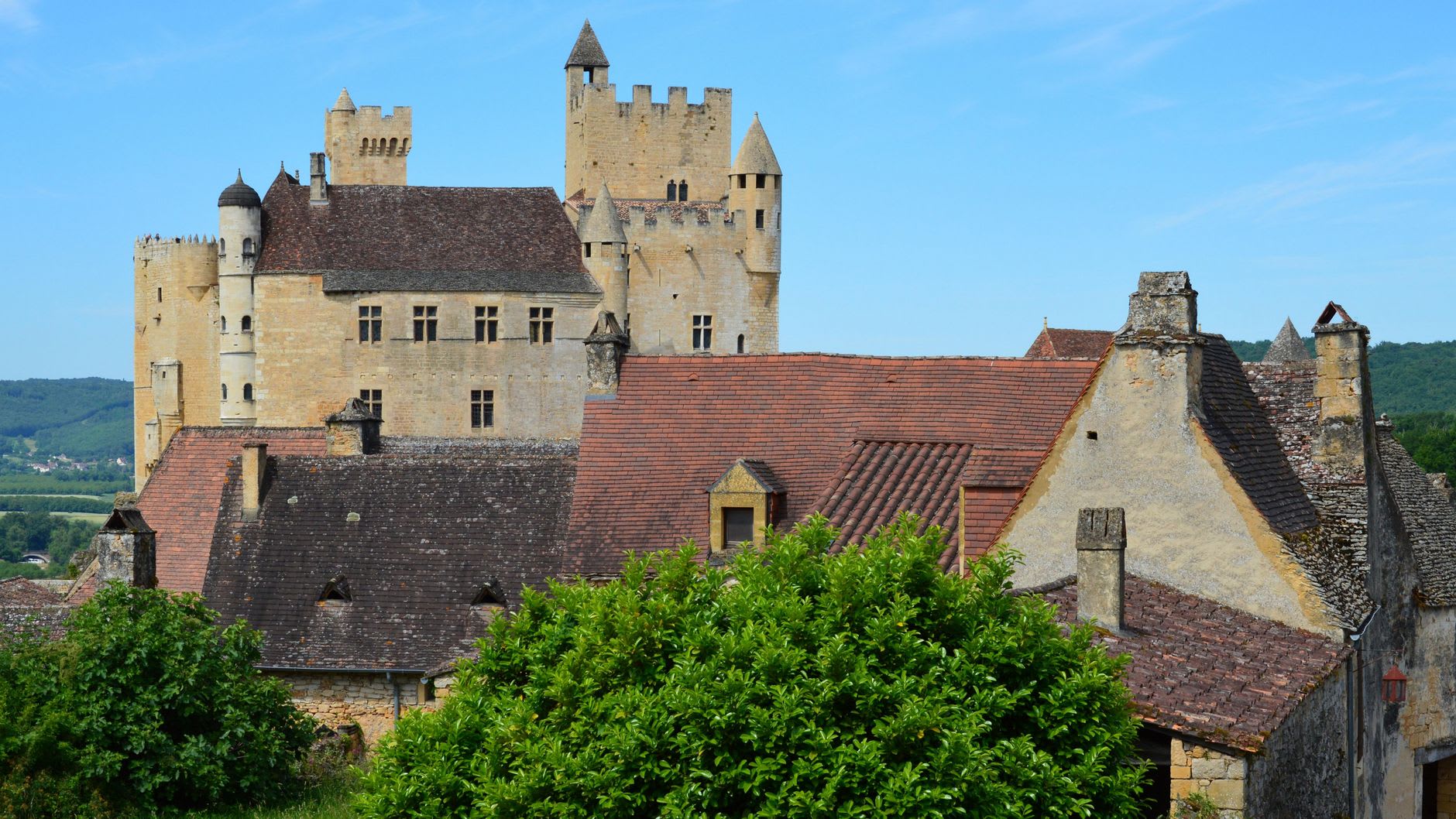
The architecture demands time outside of market hours too. Come back Saturday evening, or Sunday morning, when most of the vendors have packed up and the cobblestones are left to themselves. The Cathédrale Saint-Sacerdos is worth the wandering — a mismatched Gothic and Renaissance hybrid built over centuries without particular concern for stylistic consistency, which gives it an honest, accidental beauty. Behind the cathedral, the Lanterne des Morts sits in a small cemetery, a twelfth-century stone tower whose purpose no one has definitively agreed on. Some say it was a funerary lantern. Others say it marked the spot where Saint Bernard performed a miracle. The mystery suits it.
Eat dinner at a place that doesn’t have an English menu displayed outside. This is a reliable filter in Sarlat, where the tourist restaurants cluster visibly on the main square. Walk two streets in any direction and you find tables with tablecloths and a regional menu that hasn’t been translated. Order the confit de canard with pommes sarladaises — potatoes cooked in duck fat with garlic and parsley — and something local by the glass. The wine list in this part of France often defaults to Bergerac and Cahors. Both are better with duck than anything from Bordeaux at the same price point.
When to go: Late September through November is ideal — the market is at its richest with autumn produce and the summer tourist congestion has cleared. The December truffle market brings a different, quieter kind of visitor. July and August should be approached with patience you may not have.