
Castelnaud-la-Chapelle
"Across the river, Beynac. Behind me, a trebuchet big enough to mean business. This valley does not let you forget its purpose."
The Château de Castelnaud sits on the opposite bank of the Dordogne from Beynac, and the two castles have been looking at each other across the river since the fourteenth century, when the Hundred Years’ War assigned one to the French and one to the English and then spent a hundred years reassigning them. The view from Castelnaud’s ramparts toward Beynac is one of the defining images of the Dordogne valley — two medieval fortresses facing each other across green water, both on cliff tops, both impossible to approach without exposure. The people who sited these things knew what they were doing.
I arrived by the steep road that climbs through the village of Castelnaud-la-Chapelle and parked at the base of the château climb, which is shorter than it looks and steeper than it looks. At the top, in the outer courtyard, a full-scale trebuchet stands in working order, built from the castle’s own medieval specifications. It is a large machine. The arm is as long as a tree, the counterweight is the size of a small car, and the sling hangs at rest in a way that suggests very serious intent. The museum inside the château — the Musée de l’Art et du Moyen Âge Guerrier, the Museum of Warfare in the Middle Ages — has collected every variety of medieval weapon and siege technology, and they explain the trebuchet’s mechanics in enough detail that by the time you go back outside and look at the machine again, you understand why it was decisive.
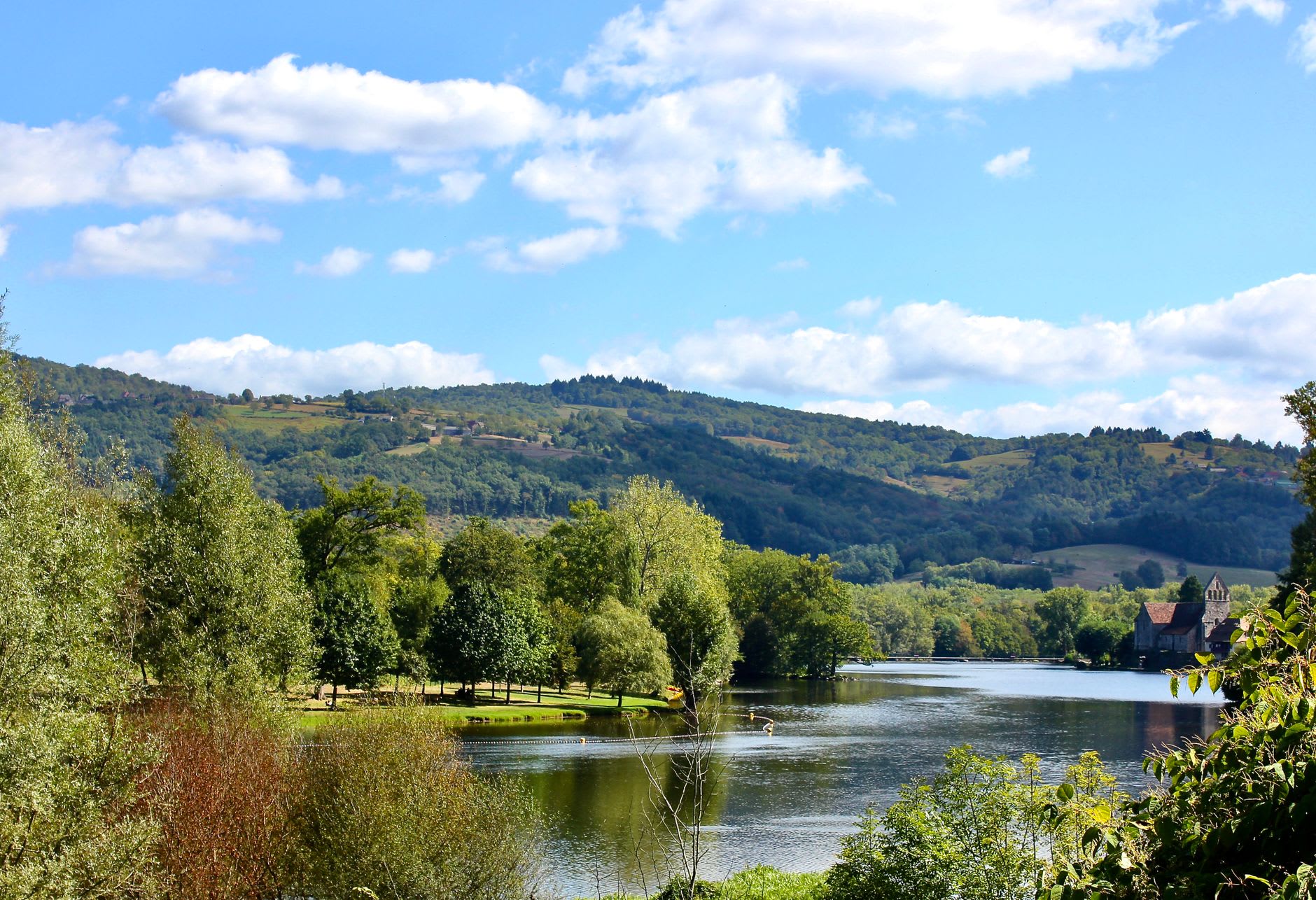
The view from the upper battlements is the other reason to make the climb. The Dordogne curves below in both directions, Beynac to the northeast, La Roque-Gageac visible further east in its narrow band between cliff and water, the terraced gardens of Château de Marqueyssac occupying the promontory between the two rival fortresses. From up here the valley’s geography makes tactical sense in a way it never quite does from road level. You see why these particular hills were chosen, why the river bends made natural defensive lines, why a hundred years of war was fought for this specific terrain.
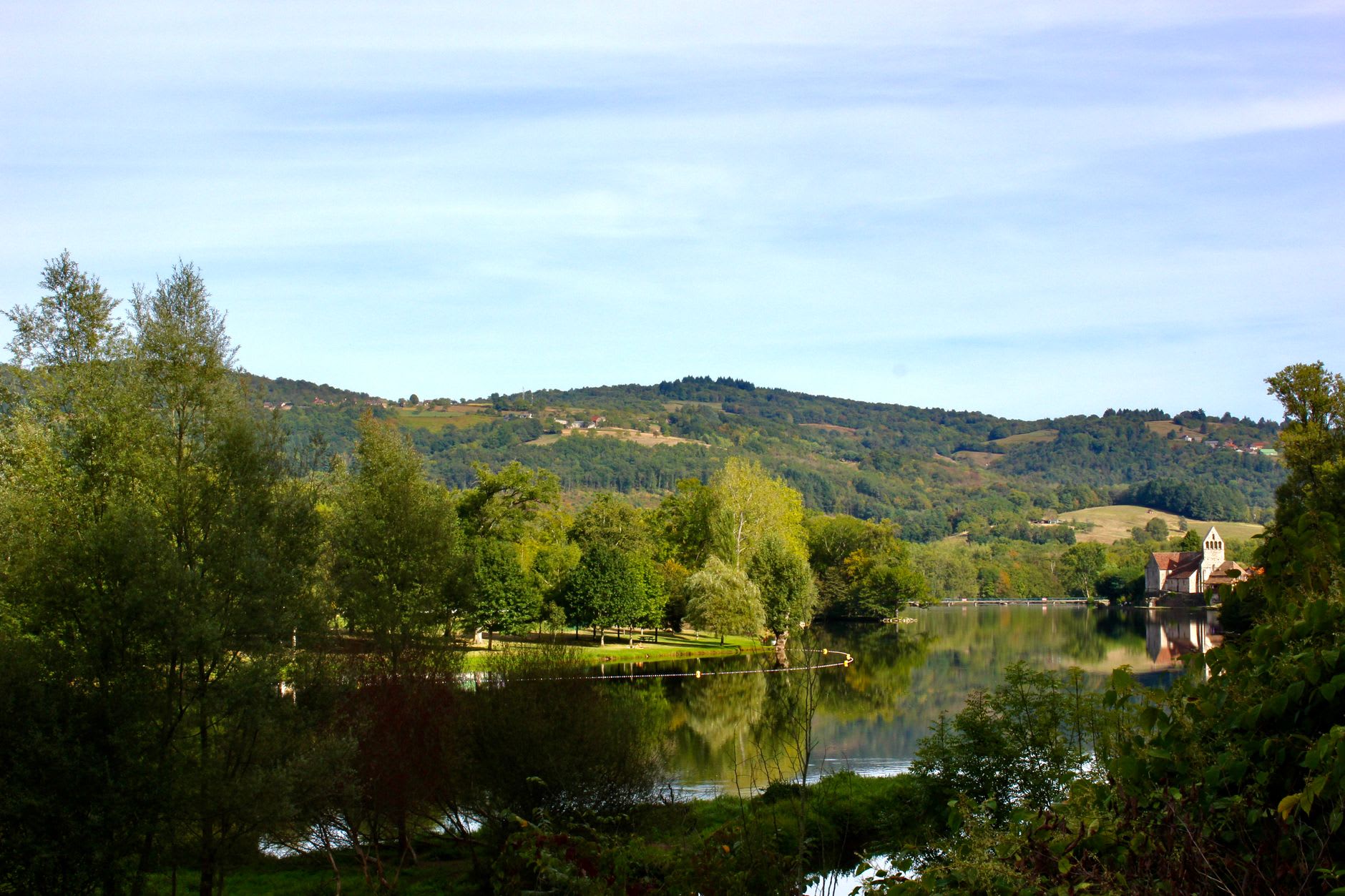
The village at the château’s base has a few restaurants and a walnut oil mill where you can buy Périgord walnut oil pressed from local trees. I walked down in the late afternoon after the château closed, sat at a table on the village terrace, and ordered a glass of Bergerac red and a bowl of walnut soup. The sun was on the western cliff faces across the river. A French family at the next table argued cheerfully about dinner plans. The trebuchet was still up there in the dark of the outer courtyard, pointing at nothing, ready for nothing, a monument to the seriousness with which people once disagreed about this valley.
When to go: Late spring through autumn when the château is fully open. Summer demonstration events, where the trebuchet and other siege machines are operated, are worth timing a visit around, though they bring crowds. October visits are ideal — the valley light is extraordinary and the château is nearly empty by late afternoon.