Morne Diablotin National Park
"The mountain the devil's own bird was named for, and the last place on earth it still calls home."
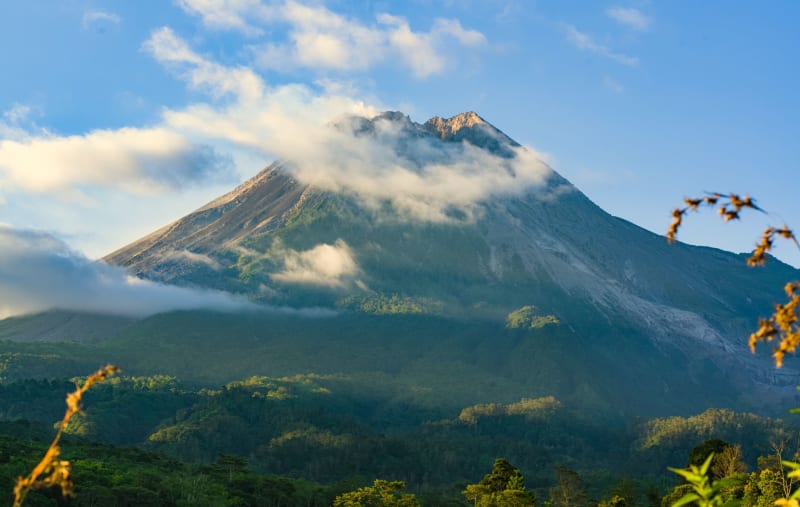
Dominica's highest peak and the last real stronghold of the endangered Sisserou parrot, reached by a demanding climb through cloud forest that changes character every few hundred metres of altitude.
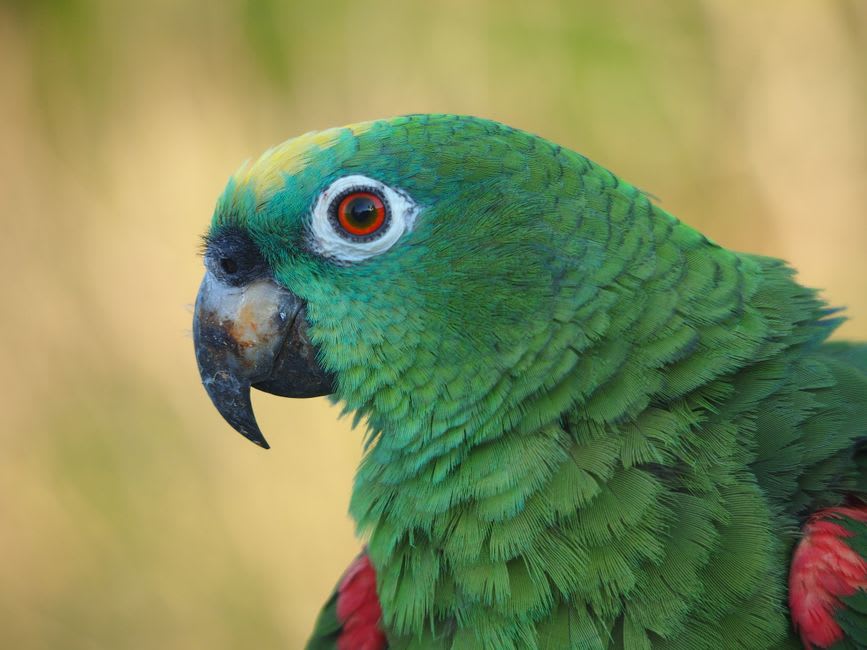
Morne Diablotin is the highest point in Dominica at 1,447 metres, and the national park built around it protects the last significant population of the Sisserou parrot — the Amazona imperialis, Dominica’s national bird, found nowhere else on Earth and reduced at one point to fewer than a couple hundred individuals after Hurricane David in 1979 tore through its habitat. I climbed it with a guide from Syndicate, on the mountain’s northern flank, mostly because I wanted to see the parrot, and partly because a five-to-six-hour round trip up the island’s tallest mountain seemed like something I should attempt while my knees still allowed it.
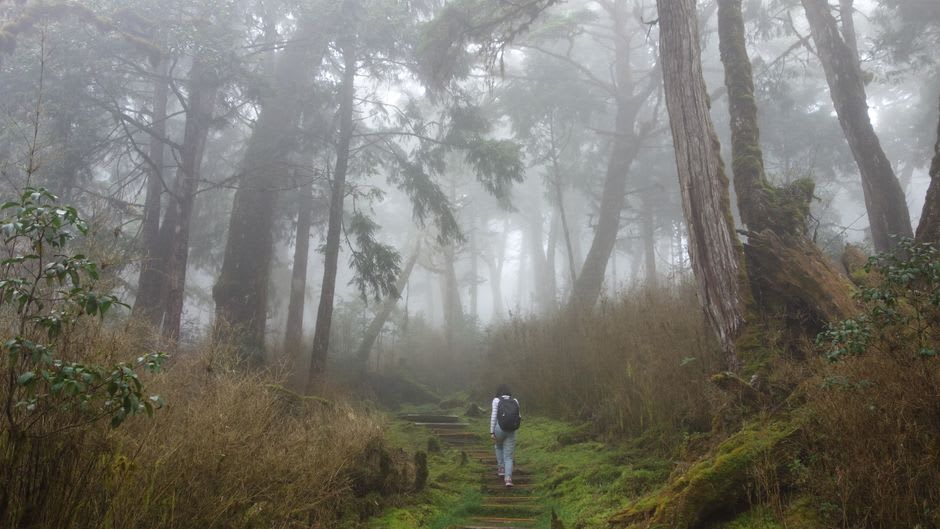
The trail changes noticeably as you climb — lower down it’s dense rainforest with the same tree ferns and buttress roots you find elsewhere on the island, but past a certain altitude it shifts into genuine elfin cloud forest, gnarled and stunted by wind and constant moisture, mosses hanging off every branch, visibility dropping to a few metres in the cloud that sits permanently around the upper slopes. It’s a genuinely different ecosystem from anything else I encountered in Dominica, cooler and stranger, and my guide pointed out plants found only above a certain elevation on this one mountain.
I did not see a Sisserou parrot on the summit push itself — they’re shy, genuinely rare, and the cloud that day was thick enough to swallow sound as well as sight — but on the drive down through Syndicate Nature Trail territory in the late afternoon, a pair flew low across the road ahead of the car, that unmistakable flash of purple-and-green against the grey light, and I actually shouted out loud in the empty vehicle. My guide, who has presumably seen this bird hundreds of times, laughed and told me that reaction never really gets old for him either.
When to go: Dry season, January through April, for the best chance of clear views and passable trail conditions — this hike is genuinely difficult in the wet season. A guide is essential; the trail is unmarked in sections and the summit weather changes fast.
Keep exploring
More from Dominica
 dominica
 Morne Trois Pitons National Park
A UNESCO World Heritage site covering a third of the island — rainforest, volcanic lakes, and the planet's most concentrated geothermal landscape per square kilometre.
Explore dominica
 Portsmouth
Dominica's laid-back second city, where fishing boats share Prince Rupert Bay with sailing yachts and the Indian River winds into a cathedral of ancient mangroves.
Explore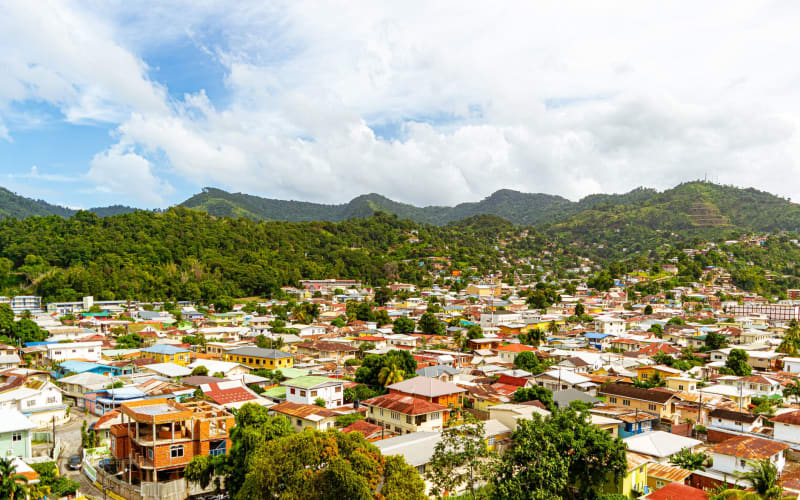 dominica
 Roseau
A Caribbean capital that smells of callaloo and rain, where painted wooden buildings lean into each other on streets too narrow for their own ambitions.
Explore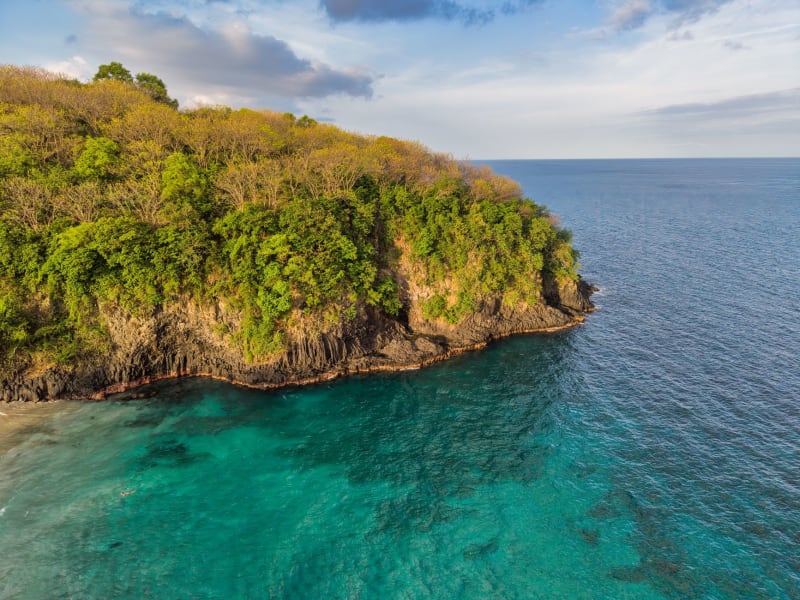 dominica
 Scott's Head
A narrow volcanic peninsula at the island's southern tip where the Atlantic and Caribbean meet visibly — two different seas, two different colours, one dramatic point of land.
Explore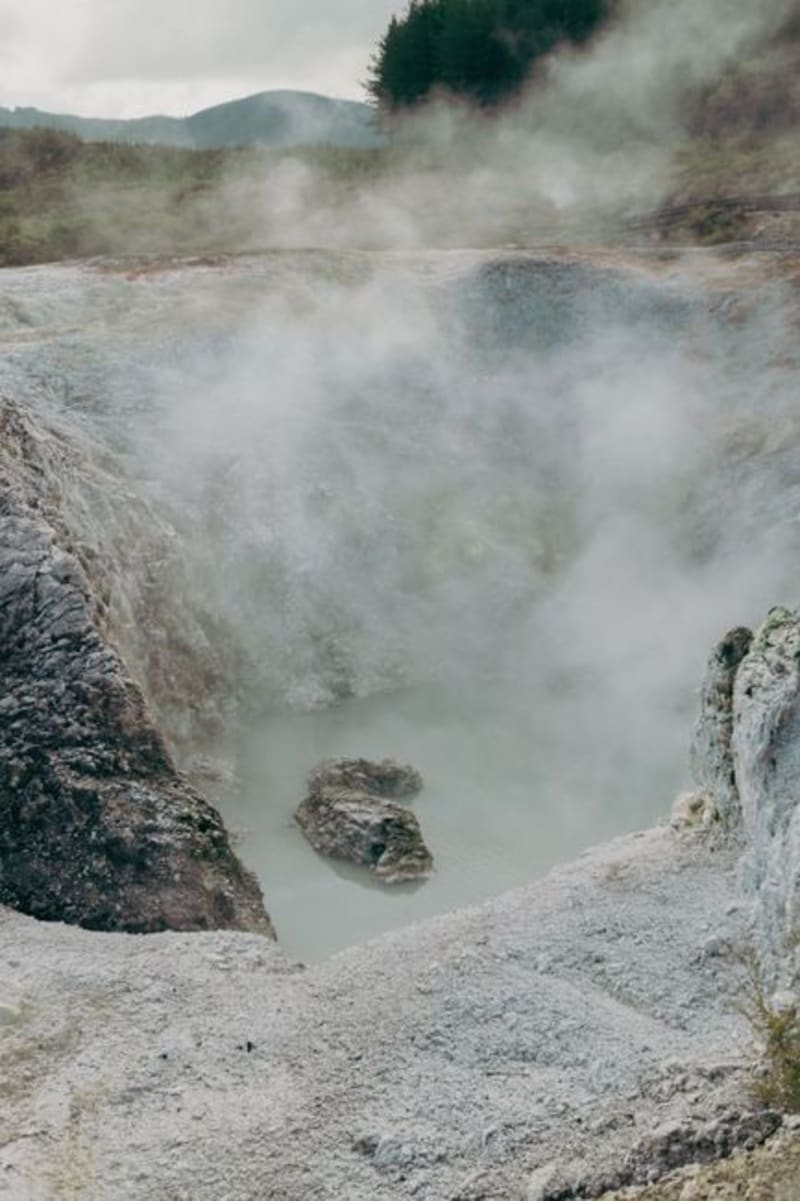 dominica
 Soufriere Sulphur Springs
A fishing village in the shadow of an active volcanic crater, where a short trail leads to bubbling grey mud pools and vents hissing steam straight out of the hillside.
Explore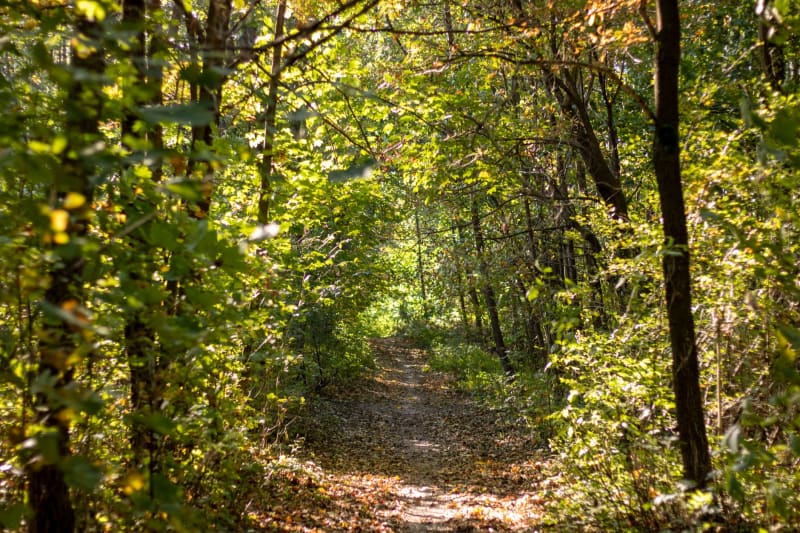 dominica
 Syndicate Nature Trail
A forest walk in Dominica's northwest designed around the Sisserou parrot — a giant purple bird that exists nowhere else on earth and treats this ancient forest as its particular kingdom.
Explore