Champagne Reef
"Bubbles rising through the coral, warm water against cold — the island leaks geology into the sea."
I do not consider myself a snorkelling person. I find masks uncomfortable, I have a mild anxiety about not being able to breathe through my nose, and I have spent much of my adult life in possession of a snorkel I have used perhaps four times. Champagne Reef changed none of this exactly, but it did produce the specific category of experience that overrides personal habits: something so strange and specific to one place on earth that ordinary preferences become irrelevant. I put the mask on. I went in. I stayed for forty minutes.
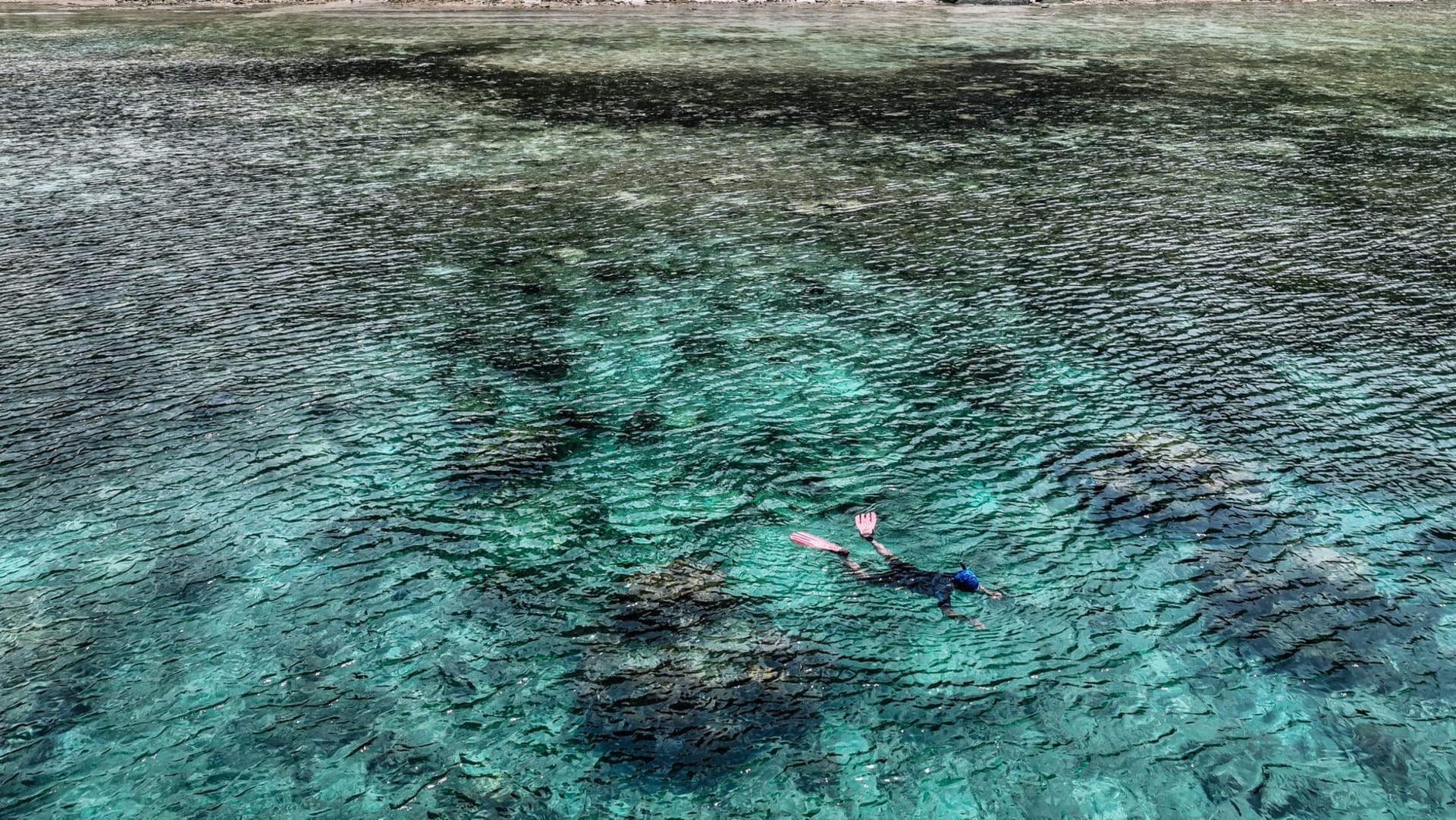
The reef sits off the shore at Pointe Michel, a village on Dominica’s southwest coast, accessible directly from the beach. You wade in through warm shallows and within twenty metres the seafloor drops to eight or ten metres and the bubbles begin. They rise from vents in the volcanic rock in continuous streams, each bubble catching the light as it ascends, and the overall effect is exactly what the name promises: you are swimming through the effervescence of something geological and enormous. The water near the vents is warmer than the surrounding sea — sometimes noticeably so, like moving from one room to another — and the fish seem indifferent to the volcanic activity. Sergeant majors and parrotfish and chromis pick their way through the bubbles as though this is simply how the ocean works.
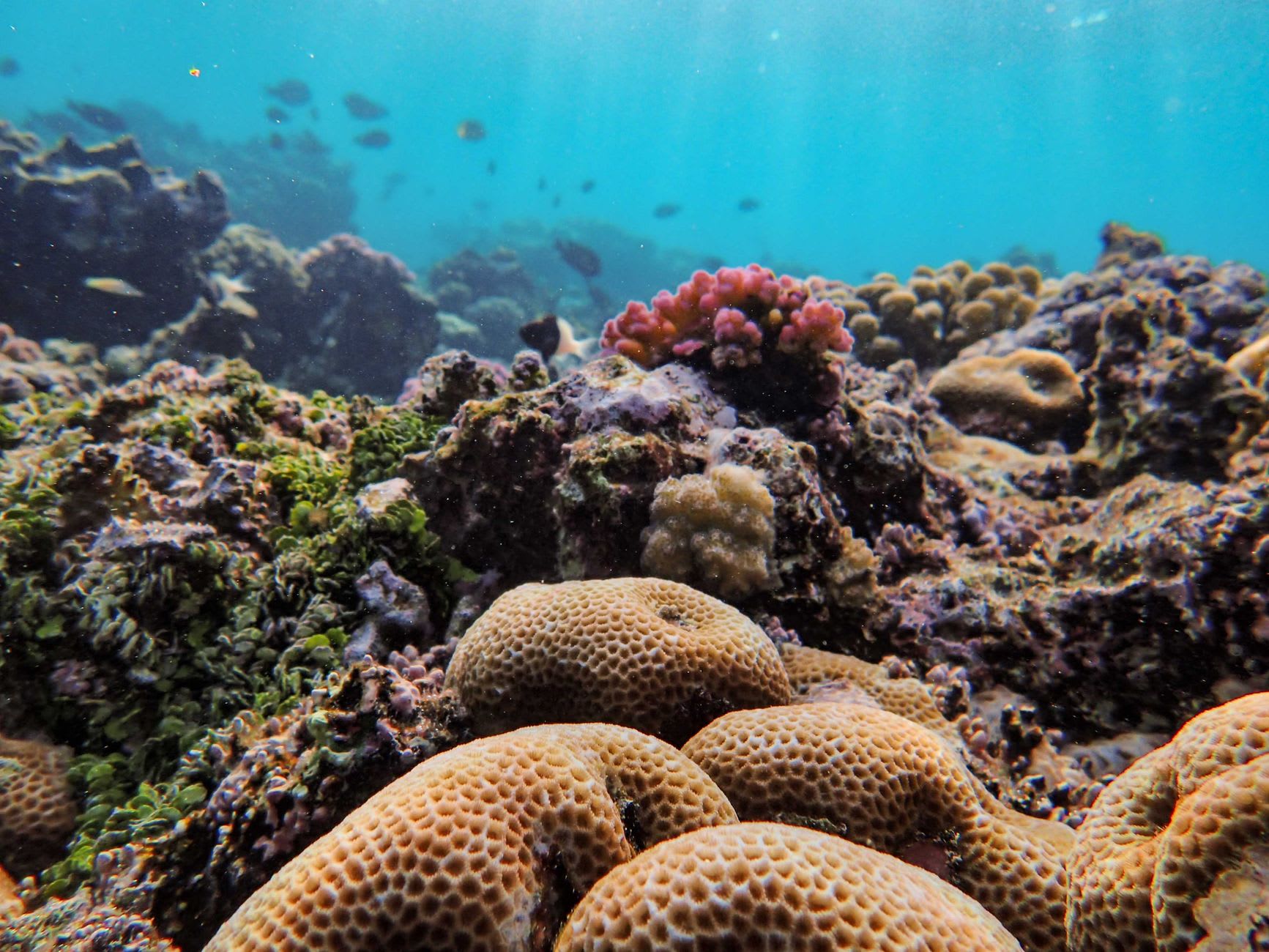
The coral here is in reasonable health compared to much of the Caribbean, which has lost substantial coverage to bleaching events over the last decade. The volcanic water chemistry may play a role in this — the science is not fully settled — but whatever the reason, there is colour and life at Champagne Reef that is increasingly absent from shallower reefs elsewhere in the region. I saw a sea turtle making its deliberate way along the reef edge, not particularly concerned about the snorkeller watching from three metres above. A trumpetfish hung vertically among a group of similarly vertical coral fingers, achieving a camouflage that would have fooled me entirely if it hadn’t moved.
The dive site extends to deeper water and is served by several operators in the area. The deeper sections have lava formations, black sand, and more substantial volcanic activity — divers report the sensation of warm water columns rising from the seafloor. For a non-diver, the snorkel from shore is more than sufficient. The access is free beyond the small car park fee; bring your own gear or rent from the operators at the entrance.
After the water, the village of Pointe Michel is a five-minute walk up the road. I found a woman selling fried fish and bakes from a table outside her gate, ate them on a low wall overlooking the water, and watched a dog conduct a serious investigation of the roadside for twenty minutes. The village has no particular attractions. It is simply a Dominican village by the sea, and after the geological strangeness of the reef, the ordinary texture of it was exactly what the afternoon required.
When to go: Year-round snorkelling, but calm seas and best visibility run from January through May. Avoid after heavy rain when river runoff can temporarily reduce visibility near shore. Arrive early morning before the organized snorkel tours arrive from Roseau — the reef is at its most peaceful before ten.