Cabrits National Park
"Cannons pointed at an empty sea, and the jungle didn't wait for anyone to leave before moving in."
A volcanic peninsula north of Portsmouth where 18th-century fort ruins sit half-swallowed by rainforest, overlooking a swamp full of frogs and a bay full of cruise ships.
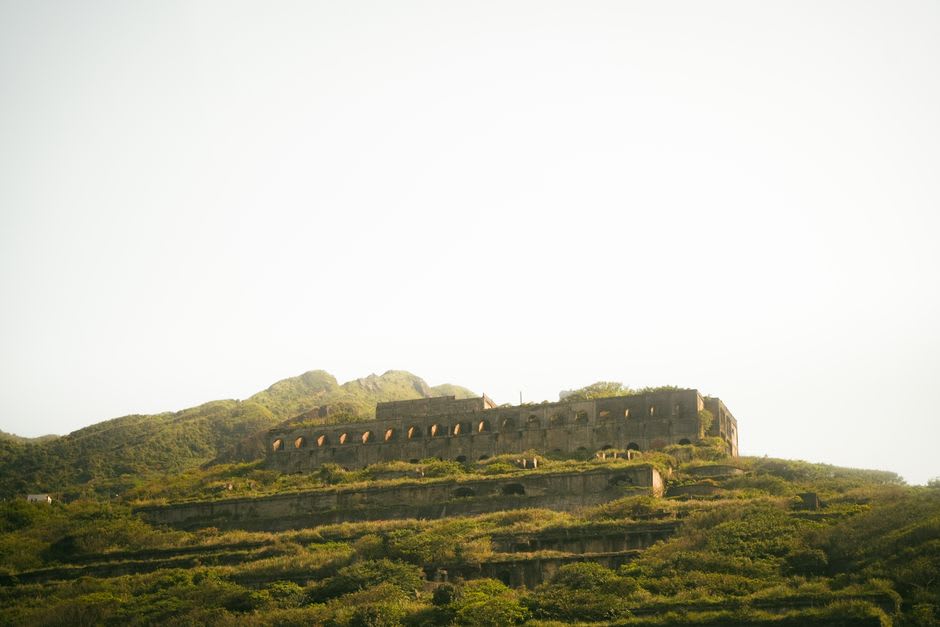
I climbed up to Fort Shirley on a morning so humid my shirt was soaked before I’d covered the first hundred metres, and found a British colonial garrison being quietly dismantled by tree roots. Cabrits National Park occupies a volcanic peninsula that juts out just north of Portsmouth, twin peaks connected by a low isthmus, and the whole place has this strange double identity — restored fort buildings with cannons still aimed out over Prince Rupert Bay, and around them, barracks reduced to crumbling walls that the forest has simply decided belong to it now. Strangler figs have wrapped themselves around what used to be officers’ quarters. It is one of the more evocative ruins I’ve walked through in the Caribbean, precisely because half of it hasn’t been tidied up for visitors.
Fort Shirley itself was one of the largest British garrisons in the Caribbean at its peak, built in the 1770s to defend Prince Rupert Bay, and its history is not a comfortable one — this was a fort staffed partly by enslaved and free Black soldiers, and in 1802 it was the site of a mutiny that is genuinely significant in the history of Caribbean resistance to slavery, brutally suppressed but rarely mentioned in guidebooks that prefer to talk about the view. I stood at the officers’ quarters, now a small museum, and read the account of it slowly. The view over the bay is spectacular. It should not be the only thing you take away from the visit.
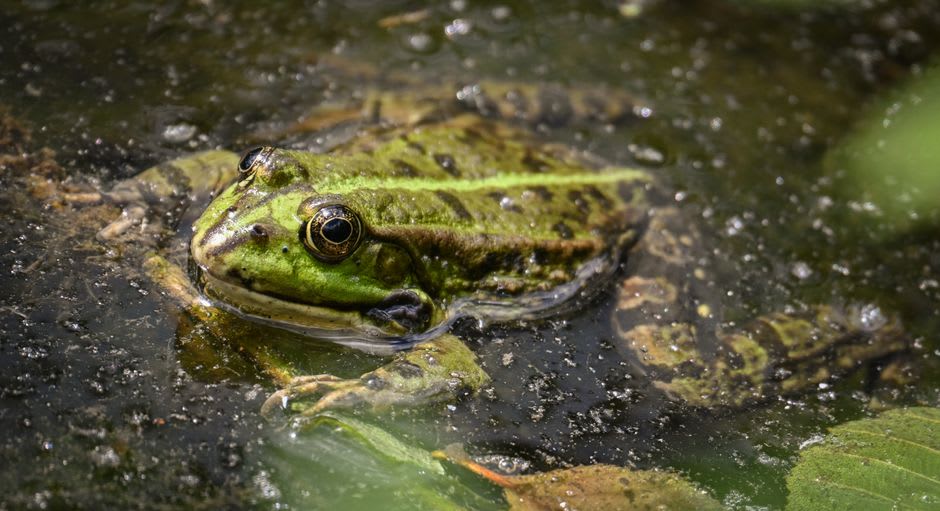
The peninsula is also a national park in the ecological sense, and the swamp at its base — accessible by a boardwalk trail — is one of the better places on the island to see tree frogs, land crabs, and a genuinely startling number of hermit crabs going about their business in broad daylight. I walked the boardwalk at dusk once, which I’d recommend only to people who don’t mind mosquitoes with apparent grudges, but the frog chorus that starts up as the light fades is worth the bites. The offshore reef at Cabrits is also a solid dive and snorkel site, less visited than Champagne Reef further south, with better coral coverage in places.
On the day I visited, a cruise ship the size of a small city was docked in Prince Rupert Bay directly below the fort, and the contrast was almost too on the nose — hundreds of passengers doing a two-hour loop of the ruins while the actual weight of the place, the mutiny, the malaria that killed so many soldiers here, the swamp reclaiming brick by brick, sat mostly unremarked upon around them. I lingered after the tour groups moved on and had the upper battery entirely to myself for twenty minutes. That is when the place actually speaks.
When to go: Open year-round, best visited early morning before cruise ship crowds arrive (check the Portsmouth port schedule) or late afternoon after they’ve departed. The boardwalk trail floods slightly after heavy rain, so the dry season from January to April is easiest for that section.
Keep exploring
More from Dominica
 dominica
 Calibishie
A laid-back fishing village on Dominica's rugged north coast, where the Atlantic breaks over reefs in front of small coral-sand beaches instead of the volcanic black sand found further south.
Explore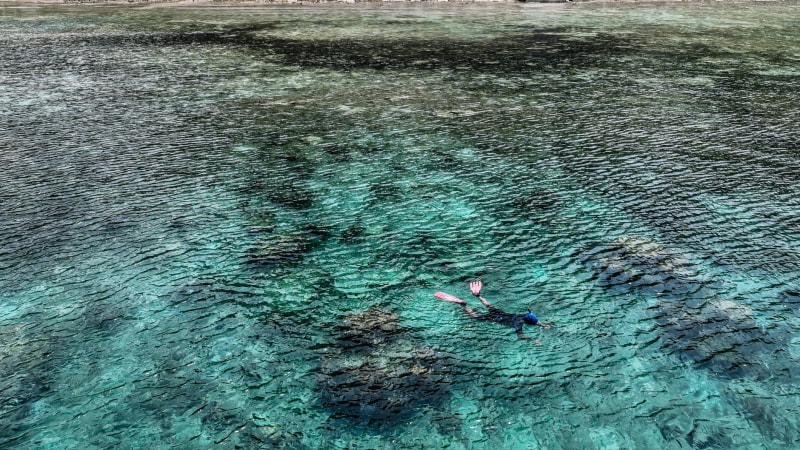 dominica
 Champagne Reef
A shallow reef where geothermal vents release a continuous stream of bubbles through the fish and coral — snorkelling through a living bottle of champagne.
Explore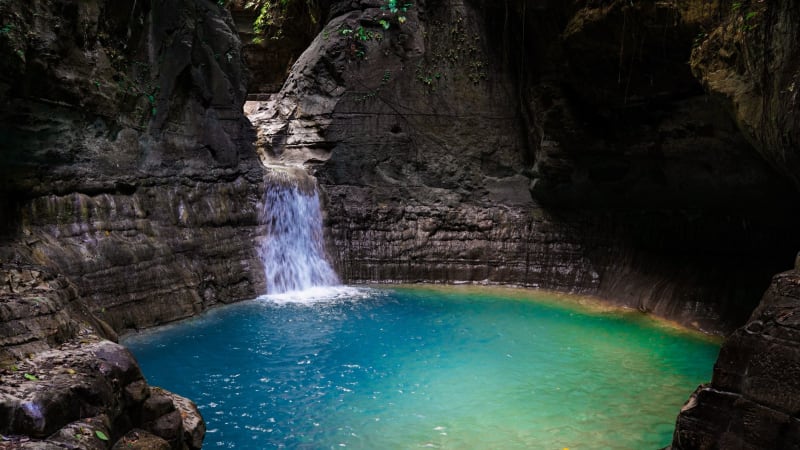 dominica
 Emerald Pool
A forest pool fed by a small waterfall where the water is the colour it promises, the temperature is not, and the walk there takes thirty minutes through old-growth rainforest.
Explore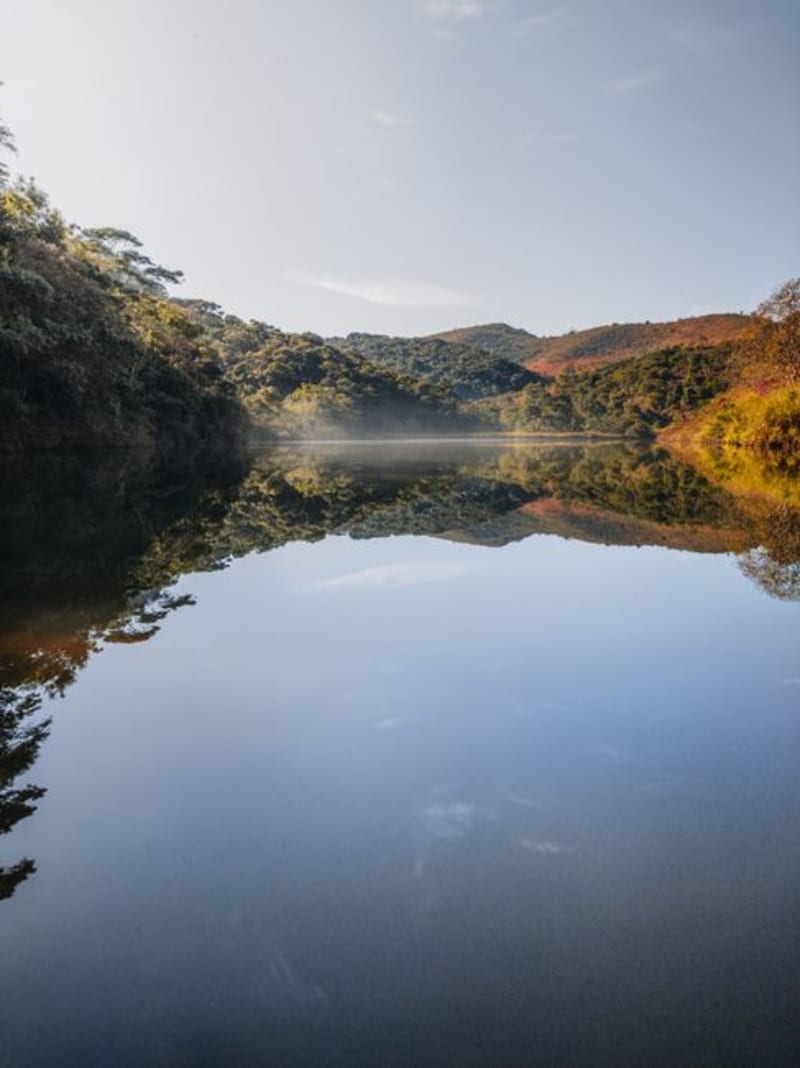 dominica
 Freshwater Lake
A cool, cloud-wrapped crater lake high in Dominica's central mountains, ringed by a short hiking trail and often lost entirely in mist by early afternoon.
Explore dominica
 Indian River
A slow, silent river near Portsmouth where rowboats glide beneath a tunnel of buttress-rooted swamp bloodwood trees that famously stood in for Calypso's island in Pirates of the Caribbean.
Explore dominica
 Kalinago Territory
The last Kalinago settlement in the Caribbean — eight villages on the windward coast where the Atlantic is relentless and basket weaving is a living inheritance, not a museum exhibit.
Explore