
There is a moment on the path to Nombori when the overhang comes into view and your first instinct — before aesthetics, before wonder — is purely physical concern about several thousand tons of sandstone. The rock extends fifty meters out from the cliff face and the village is built directly beneath it, pressed so close to the escarpment wall that the houses in the back row have no natural light until nearly noon. I stood there for a minute recalibrating my understanding of what constitutes a reasonable place to build a house, and then I walked underneath it and the temperature dropped four degrees and the sound changed completely. Under the overhang it was dim and cool and smelled of stone and old smoke and something I eventually identified as the millet stored in the back-wall granaries.
Nombori is not on every Dogon Country itinerary, which is why I had heard about it from a French geographer I met at the Bandiagara guesthouse who had been here three times and kept coming back. Her field work was in geomorphology — she was studying escarpment erosion — but she talked about Nombori the way people talk about places that have caught them unexpectedly. The rock, she said, is still moving, millimeters a year. The overhang will collapse eventually. On the geological timescale this is imminent; on the human timescale it is incomprehensible. The village has been here for six or seven centuries beneath a rock that has been falling for sixty million years.

The toguna here was built into the overhang itself — the cliff face forming the back wall, the low millet-stalk roof extending just far enough to define the meeting space. The carvings on the pillars were relatively recent restorations, the originals having been sold to collectors decades ago. This is a sore subject in Dogon Country — the market for Dogon artifacts was so aggressive in the mid-twentieth century that many villages lost their heritage objects to European dealers and museum buyers, and what remains in the most-visited togunas is often reproduction. Nombori’s guide spoke about this with a directness that I appreciated: the originals are in Paris, he said. In a museum where you have to pay to see them. He did not say this angrily. He said it the way you describe a fact that has long since become exhausting to be angry about.
The children here were not the practiced cadeau-askers of the main circuit villages. One small boy followed me for about forty minutes, not saying anything, just walking at my pace and occasionally picking up stones to examine before putting them down. When I eventually sat down to drink water, he sat down too, about three meters away, watching. We conducted a comfortable twenty-minute silence together before he ran off to join a group of other children who had found something interesting near the cliff wall.
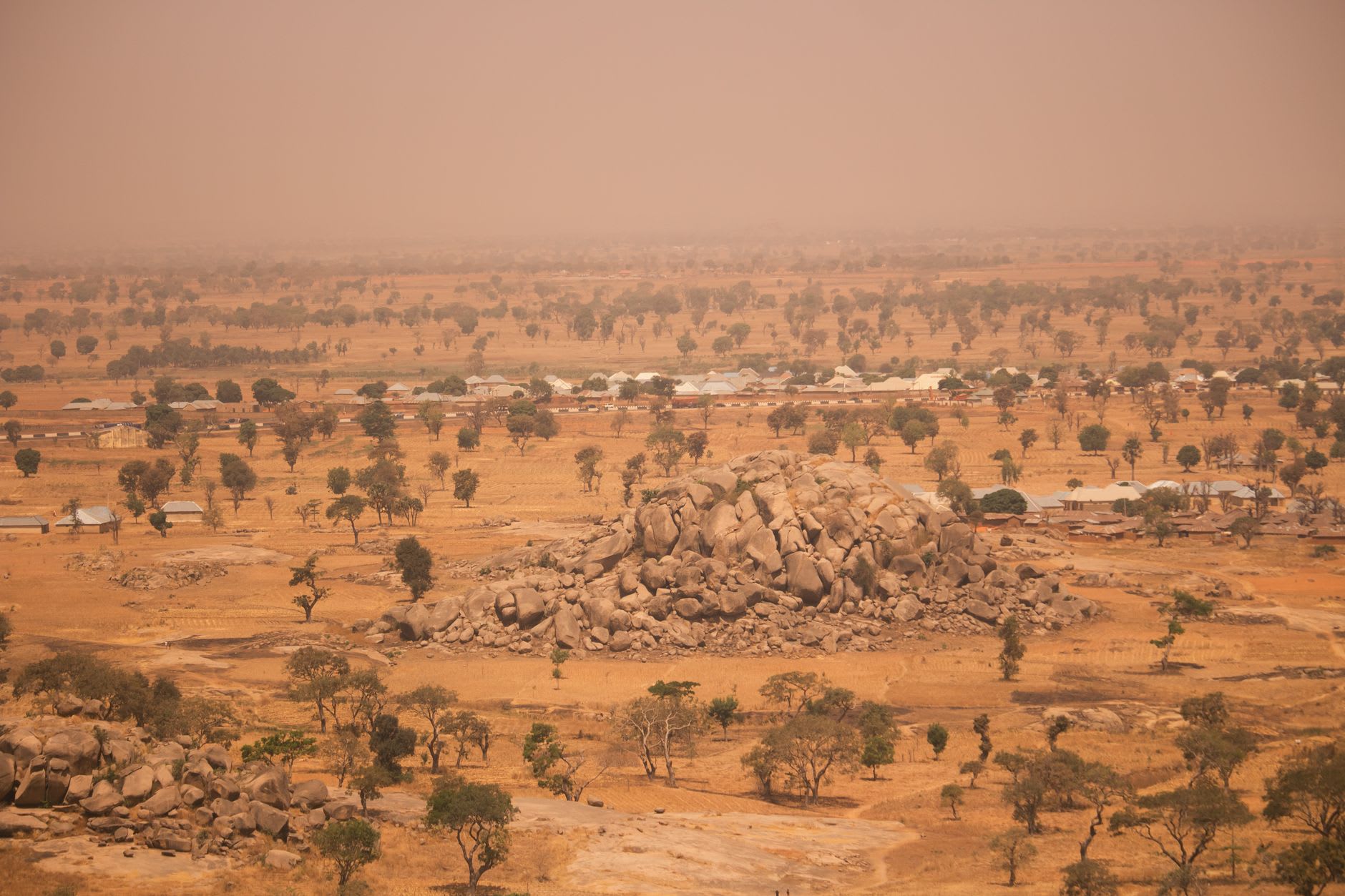
The light beneath the overhang changes the whole character of photography here — everything is in shade, with the bright plain visible in the distance beyond the village edge like a different world. In the afternoon, the overhang’s shadow reaches the outer village walls and the temperature under the rock becomes genuinely cool, almost cold. I sat on a low wall and watched an old man doze in a chair at the boundary of shade and sun, shifting occasionally to stay in the shade as it moved. He had been doing this for many years, probably. He was good at it.
When to go: November through February. Nombori’s overhang makes it one of the few escarpment villages that is tolerable even in the shoulder season — the shade is significant. Reach it on the secondary circuit that branches off from Tireli; ask specifically for Nombori rather than accepting the default route.