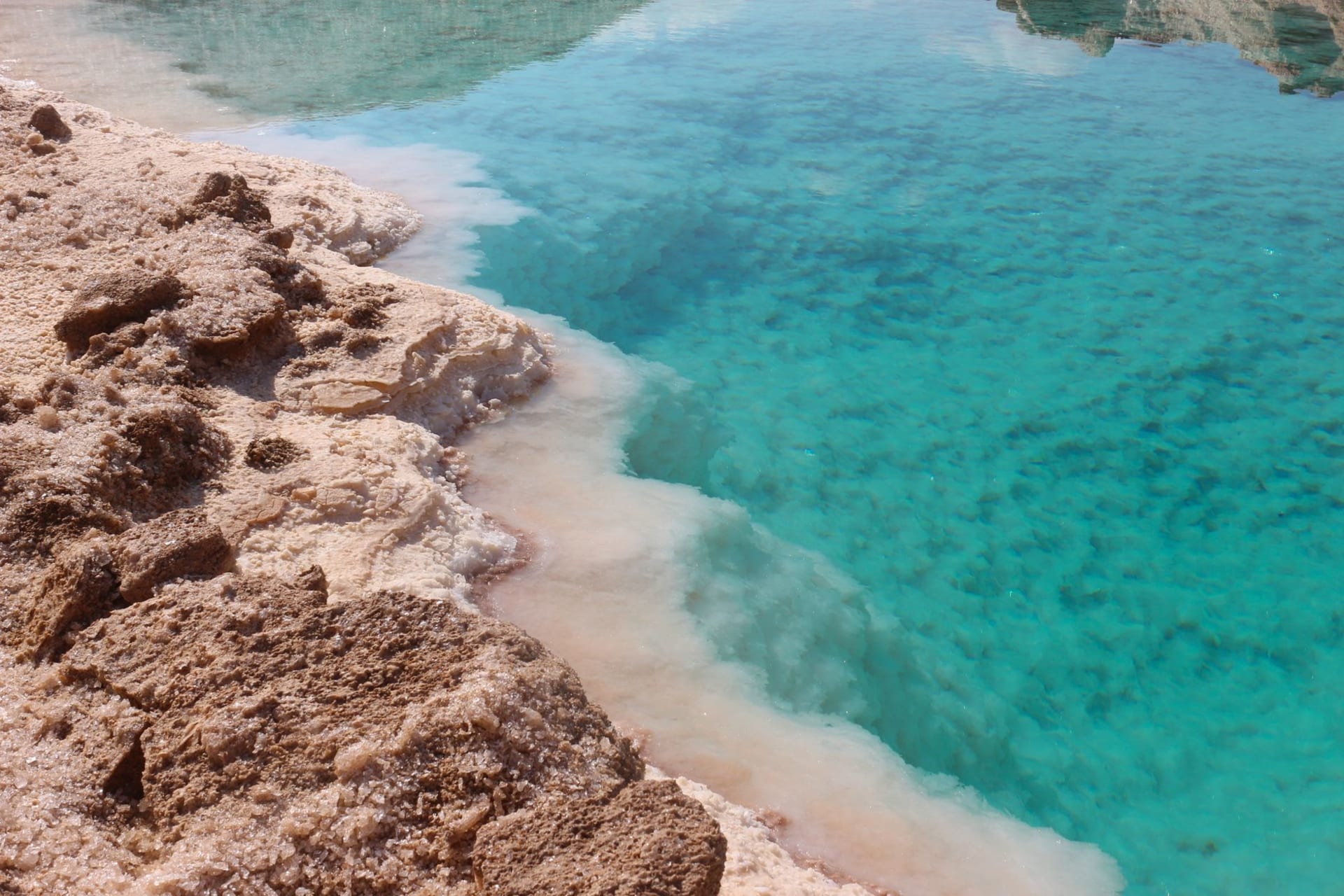
Lake Assal
"The salt gets into your boots, your camera, your sinuses. It doesn't leave. Neither does the memory."
I got there at seven in the morning and the light was already merciless. The road from Djibouti City drops through volcanic rock fields — black, fractured, sculpted into shapes that suggest violence — and then, without warning, the lake appears below you like something spilled from a dream. White crust around the edges, deepening into a blue so saturated it looks chemically enhanced. The driver said nothing. He’d seen too many people try to describe it.
Lake Assal sits at 155 meters below sea level, the lowest point on the African continent. The Danakil Depression, which starts here and stretches north into Eritrea and Ethiopia, is where the African tectonic plate is pulling apart from the Arabian and Somali plates, and the lake is one of the most visceral symptoms of that slow geological catastrophe. The water is ten times saltier than the ocean — saltier than the Dead Sea in some sections — which is why nothing lives in it and why the salt deposits around the shore have been forming for millennia without interruption.

Walking on the crust is an odd sensation. It gives slightly underfoot, then crunches, and the white powder that rises around your shoes is pure sodium chloride that has been accumulating since before any human looked at it and thought to attach a name. The Afar people have been harvesting salt here for centuries, cutting blocks from the crust and transporting them by camel caravan into Ethiopia. On the morning I visited, there were three men doing exactly this, working in silence with long-handled tools, their movements so efficient and old that it felt genuinely intrusive to watch. I watched anyway. The camel was indifferent.
The color of the water changes by the hour. When I arrived it was a dense cobalt. By ten o’clock, as the sun climbed and the heat began to press down in earnest, it had shifted toward something more turquoise, more impossible. The salt formations at the waterline build up into small natural sculptures — crowns and crusts and shelves that catch the light at angles. I’ve seen salt flats in Bolivia and the Atacama and they are both extraordinary, but neither of them sits inside a volcanic caldera or carries this particular quality of geological menace. This is not a postcard lake. It is a symptom of the Earth rearranging itself.
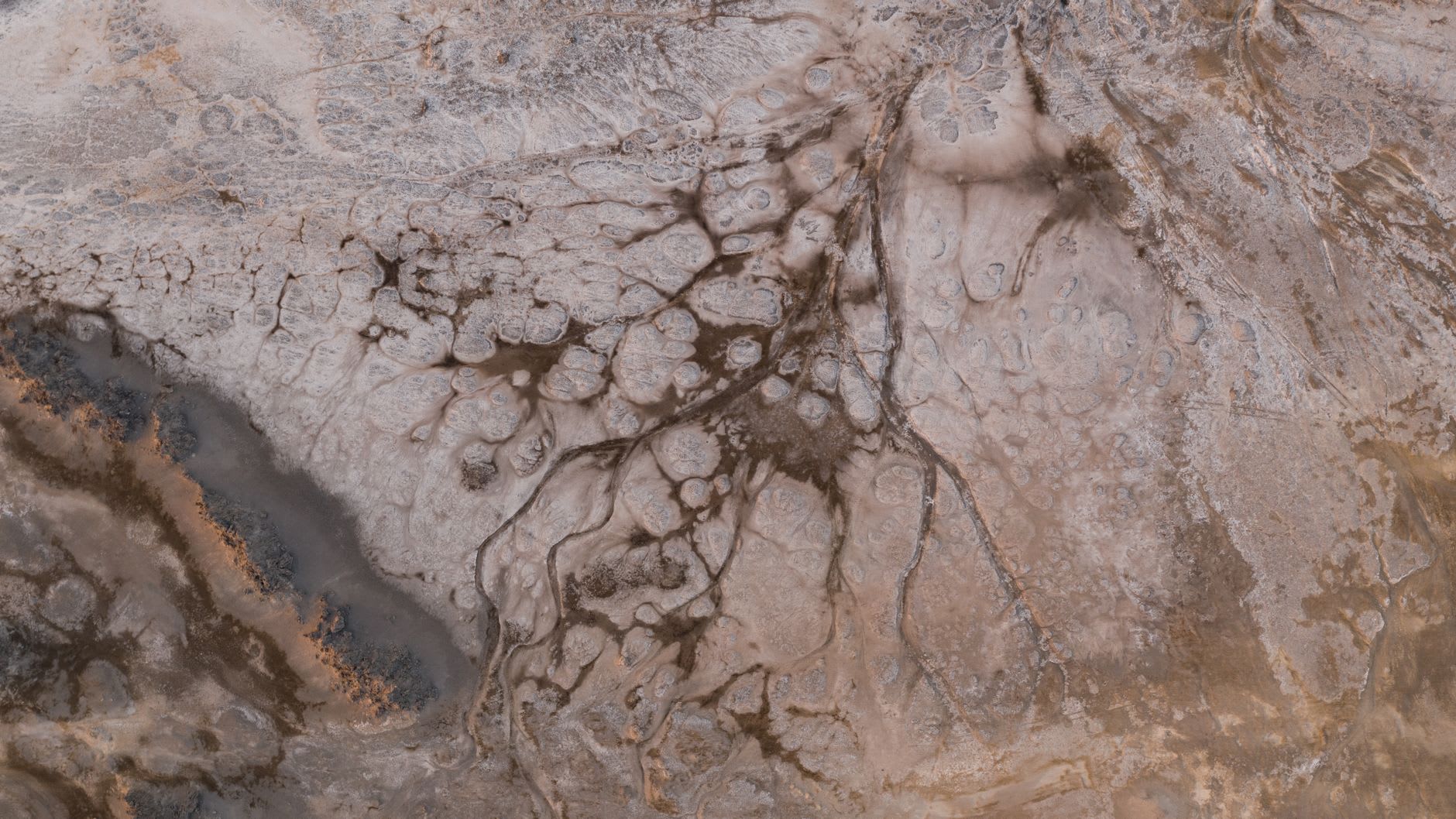
The heat by mid-morning had become a physical presence I had to negotiate with. There is no shade at Lake Assal. The surrounding volcanic landscape offers nothing. I retreated to the small shelter where the driver had parked, drank water that had already gone warm, and tried to think clearly about what I’d just seen. The thing about extreme landscapes is that they resist metaphor. Lake Assal is simply itself — extreme, specific, indifferent, and unlike anything the normal categories of beauty or drama quite account for.
When to go: November through February is the only sensible window. By April the temperatures at lake level regularly exceed 45°C and by June they pass 50°C. Go early in the morning regardless — the light is better and you’ll have an hour before the heat becomes genuinely dangerous. Bring more water than you think you need, sunscreen rated above SPF 50, and shoes you don’t mind losing to salt.