Wadi Dana
"Dana village at sunset: the canyon goes dark before the sky does, and for a few minutes the scale of it becomes something you feel rather than see."
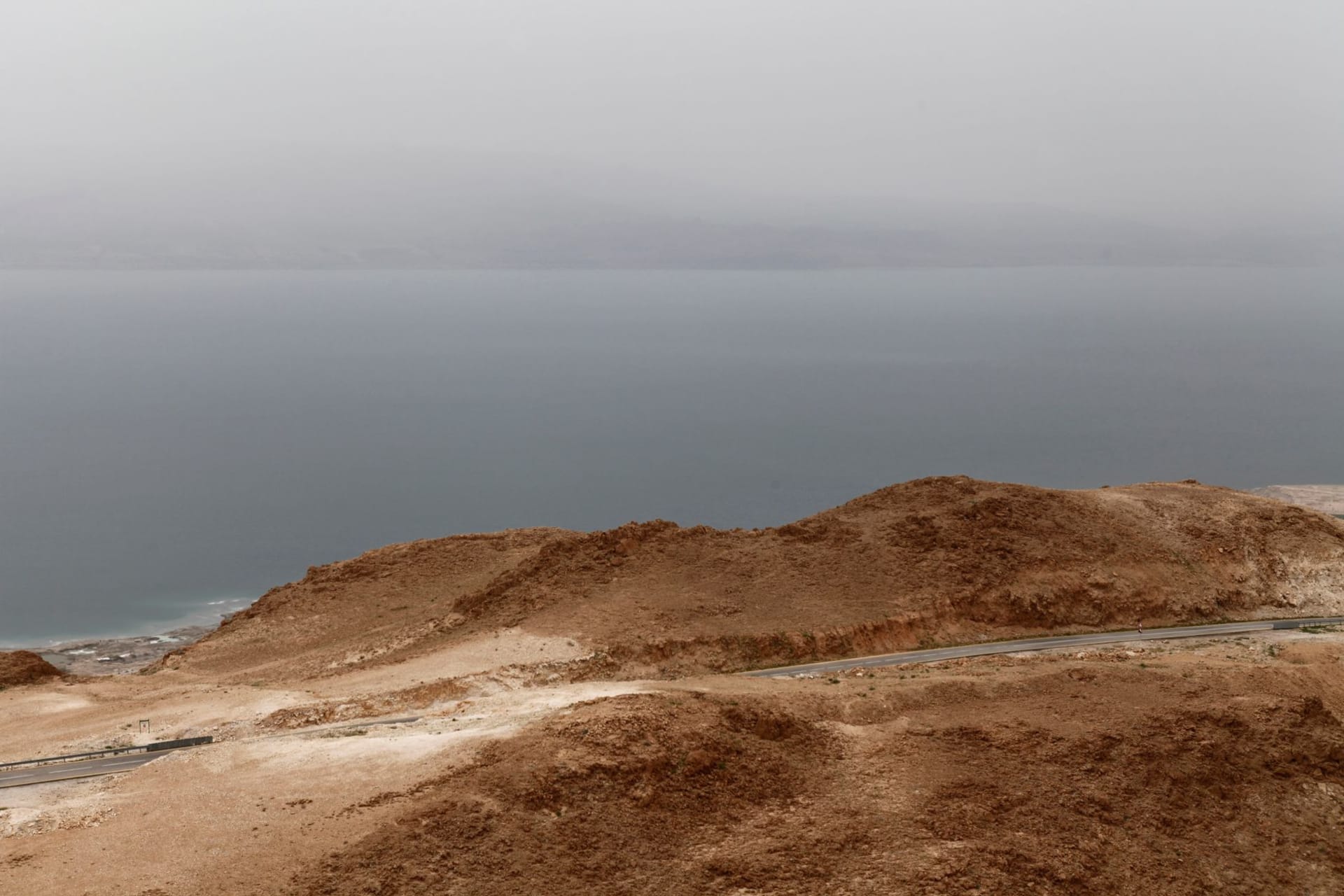
The village of Dana is the kind of place that arrives without warning and leaves a mark for a long time after. You drive along a ridge road from the King’s Highway — already an impressive route, all switchbacks and canyon views — and then a small brown sign points down a single-lane road toward the village, and you follow it not entirely sure you haven’t missed something. What you find is a cluster of stone houses from the Ottoman period perched on the absolute rim of a canyon that drops, dramatically and steeply, to a valley floor far below. The village population is small — a few dozen families — and the evening I arrived, children were playing football in the single lane between the houses and a woman was hanging laundry from a window and the canyon behind her was turning pink in the last light. It was one of those arrivals that make you grateful for the wrong turn that eventually led there.
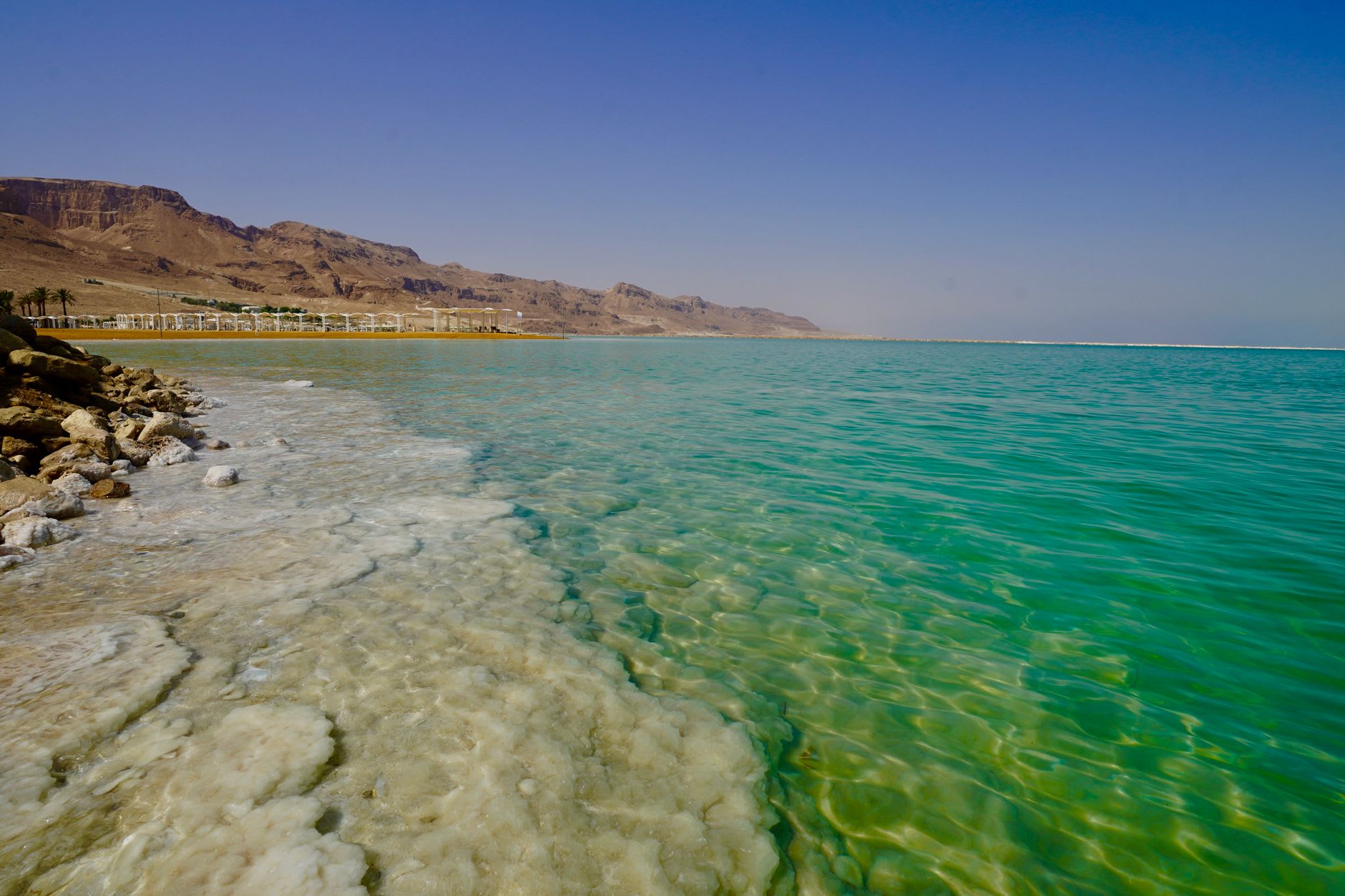
The reserve covers over three hundred square kilometres and compresses several distinct ecosystems into a single descending journey. The trail from Dana village drops through juniper and oak forest — surprisingly dense, surprisingly cool, the trees gnarled and old — then transitions through Mediterranean scrubland to dryer acacia-dotted slopes, and finally to the desert floor of the Wadi Araba, where the vegetation is sparse and the rock is copper-stained from ancient mining. That descent, from roughly 1500 meters to sea level, passes the ruins of Feynan — a copper-mining settlement that was active in the Chalcolithic, Bronze, and Iron Ages and again under the Romans, who used prisoners to work the mines here. The copper-tinged slag heaps are still scattered across the landscape and the ground glints with a thousand shades of green and orange oxide.
I stayed two nights in the Dana Guest House, a restored Ottoman building on the village rim run by the Royal Society for the Conservation of Nature. The rooms are simple — stone walls, wool blankets, windows that look directly into the canyon — and dinner was a shared table with other hikers: a Dutch couple doing the Jordan Trail end-to-end, a Jordanian family from Amman who came up for the weekend air. After dinner I sat outside on the stone terrace with the canyon black below me and the sky performing at maximum capacity, and I understood why the word “reserve” in this context means something different from a national park. This place has been deliberately kept from being consumed.
When to go: March through May for wildflowers and migrating birds; September through November for cooler hiking temperatures. The full descent to Feynan (the White Trail) takes six to seven hours — arrange a pick-up from the Feynan Ecolodge in advance or it is a long return hike uphill.