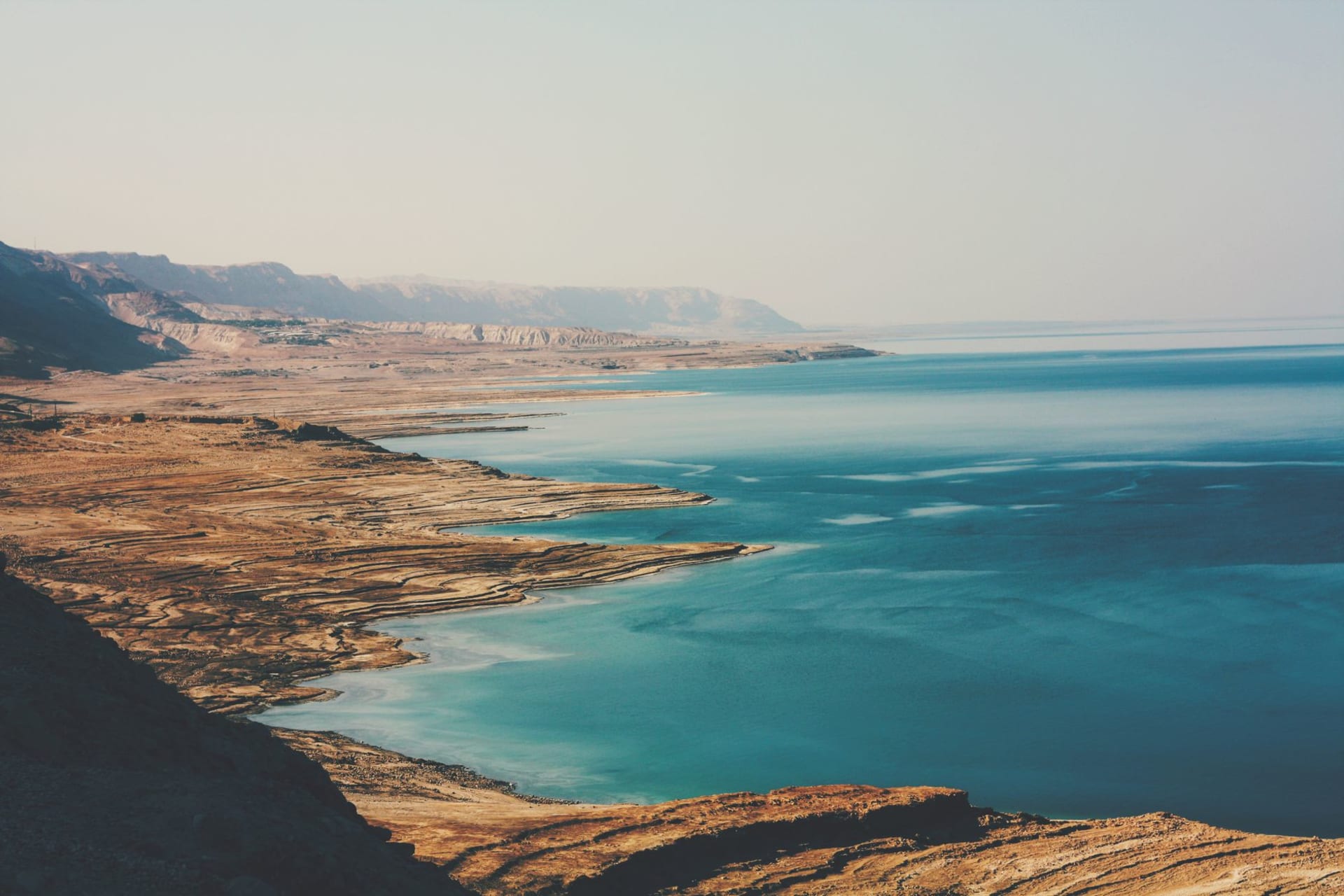
Qumran
"The cave where they found the scrolls is just a hole in a cliff. History hides in the most ordinary places."
I almost missed the turn. You’re driving south from Jericho along the Dead Sea highway, the cliffs rising to the west and the water glinting to the east, and the Qumran sign appears with no particular fanfare — just another brown archaeological marker, the kind you stop at out of intellectual obligation more than excitement. But I pulled over, paid the entrance fee, and walked into something that kept expanding in my mind long after I left. The cliffs here are riddled with caves. In 1947 a Bedouin shepherd named Mohammed edh-Dhib threw a stone into one of them and heard a clay jar break. Inside were leather scrolls wrapped in linen. He didn’t know what he’d found. Most people still don’t fully grasp what those jars contained.
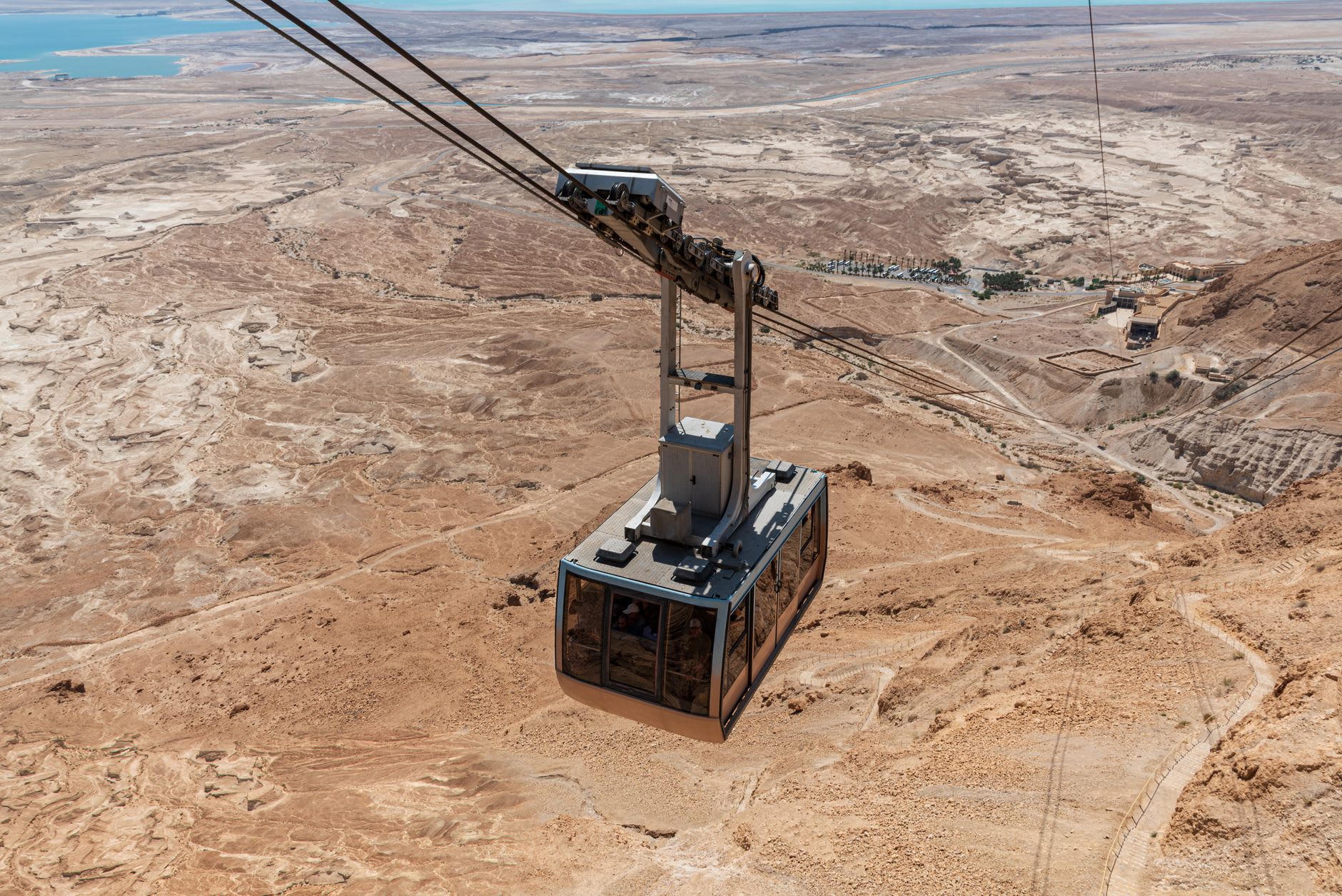
The settlement below the caves belonged to the Essenes, a Jewish sect who withdrew from Jerusalem sometime in the second century BC to live an ascetic communal life in the desert and, apparently, to write and copy texts. The ruins that remain are sparse and precise: a scriptorium with long plastered tables where the scribes worked, a complex system of stepped ritual baths fed by an aqueduct that channeled flash-flood water from the cliffs, storage rooms, a kiln that produced the very pottery in which the scrolls were eventually sealed. Standing in the scriptorium I tried to picture the men who sat at those tables copying Isaiah, copying Psalms, copying documents that would not be read by anyone outside their community for two thousand years. The Dead Sea’s extraordinary aridity is the reason those texts survived. Nothing rots in this air. The scrolls were as perfectly preserved as anything the ancient world has handed us.
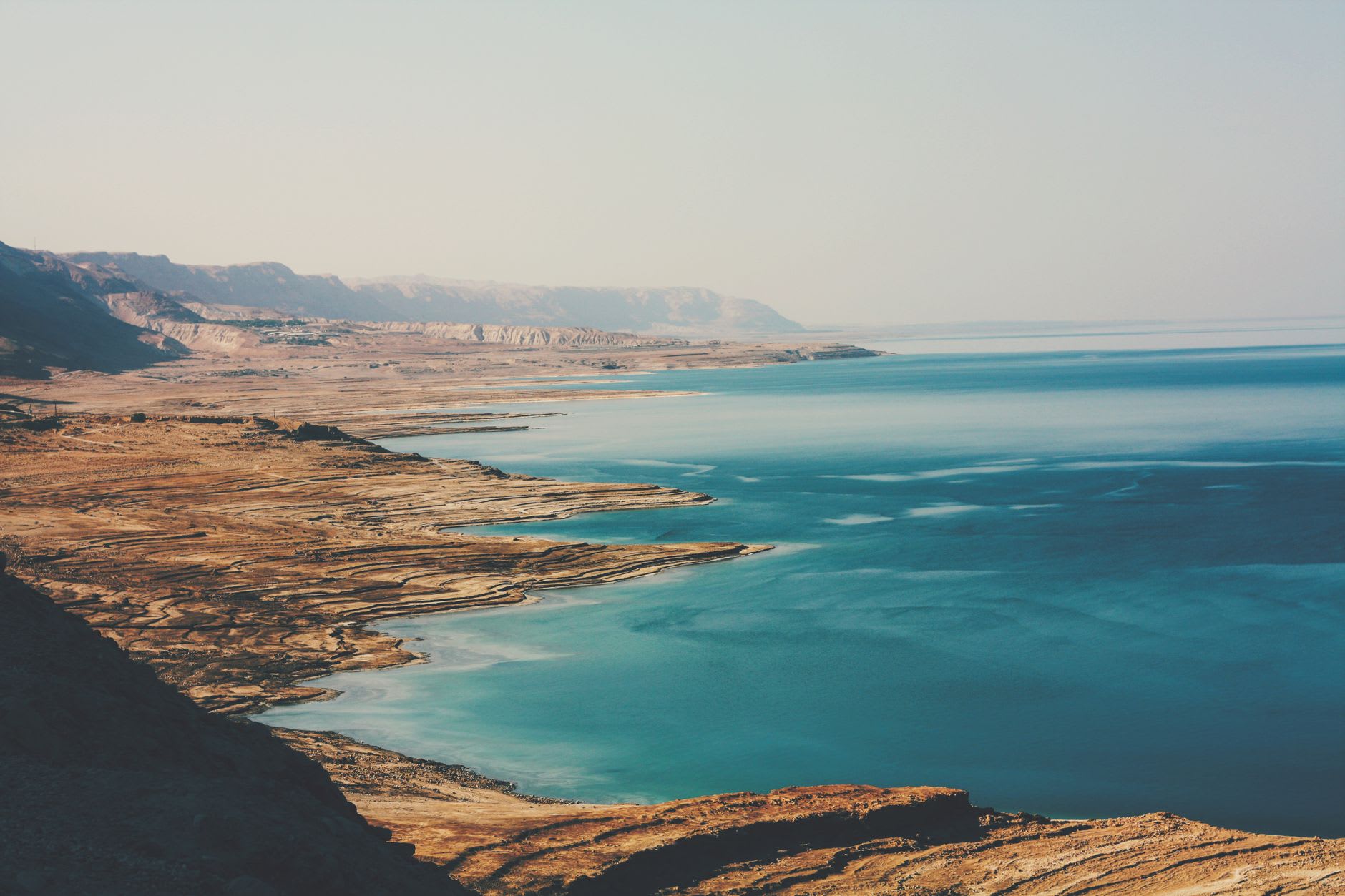
Cave 4, where the most fragments were found, is visible from the site but not accessible — it’s a notch in the cliff face across a small ravine, ordinary-looking, the kind of opening you’d walk past a thousand times. That inaccessibility feels appropriate. The scrolls themselves are in Jerusalem now, in the Shrine of the Book at the Israel Museum, where they’re displayed in dim light behind curved walls designed to echo the clay jars. But standing here at Qumran you get something the museum can’t give you: the actual landscape, the silence, the cliff light at ten in the morning, the Dead Sea below, the sense of just how far from anywhere these people had come to do their writing.
When to go: October through April. The site is exposed and merciless in summer. Morning visits are best before the heat peaks and while the light still rakes across the cliff face at an angle that makes the cave openings clearly visible. Allow ninety minutes — enough to walk every area of the ruins and stand for a while at the ravine facing Cave 4.