Mount Nebo
"Standing where Moses supposedly stood, I looked at Jerusalem and felt the weight of a story I don't even believe in."
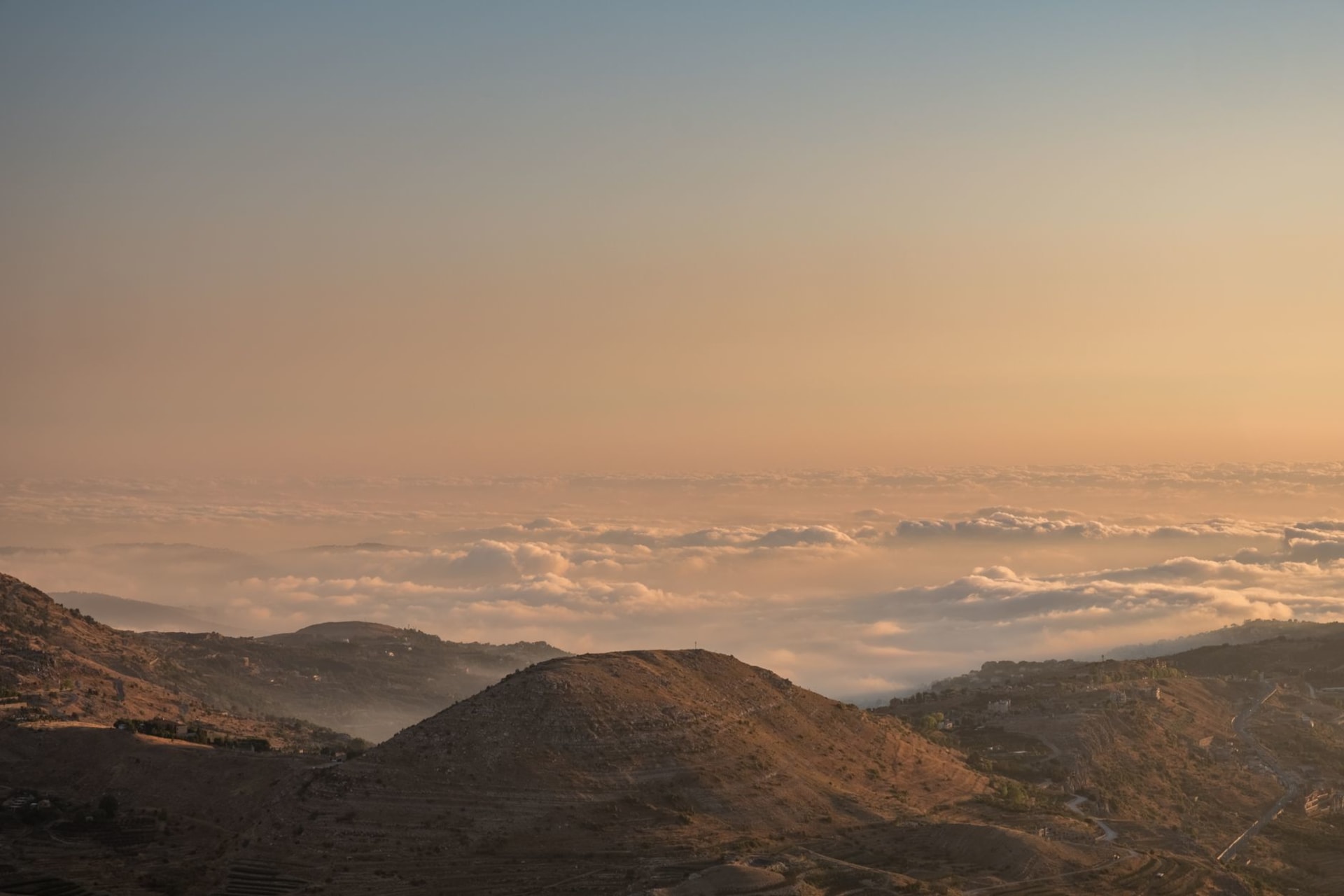
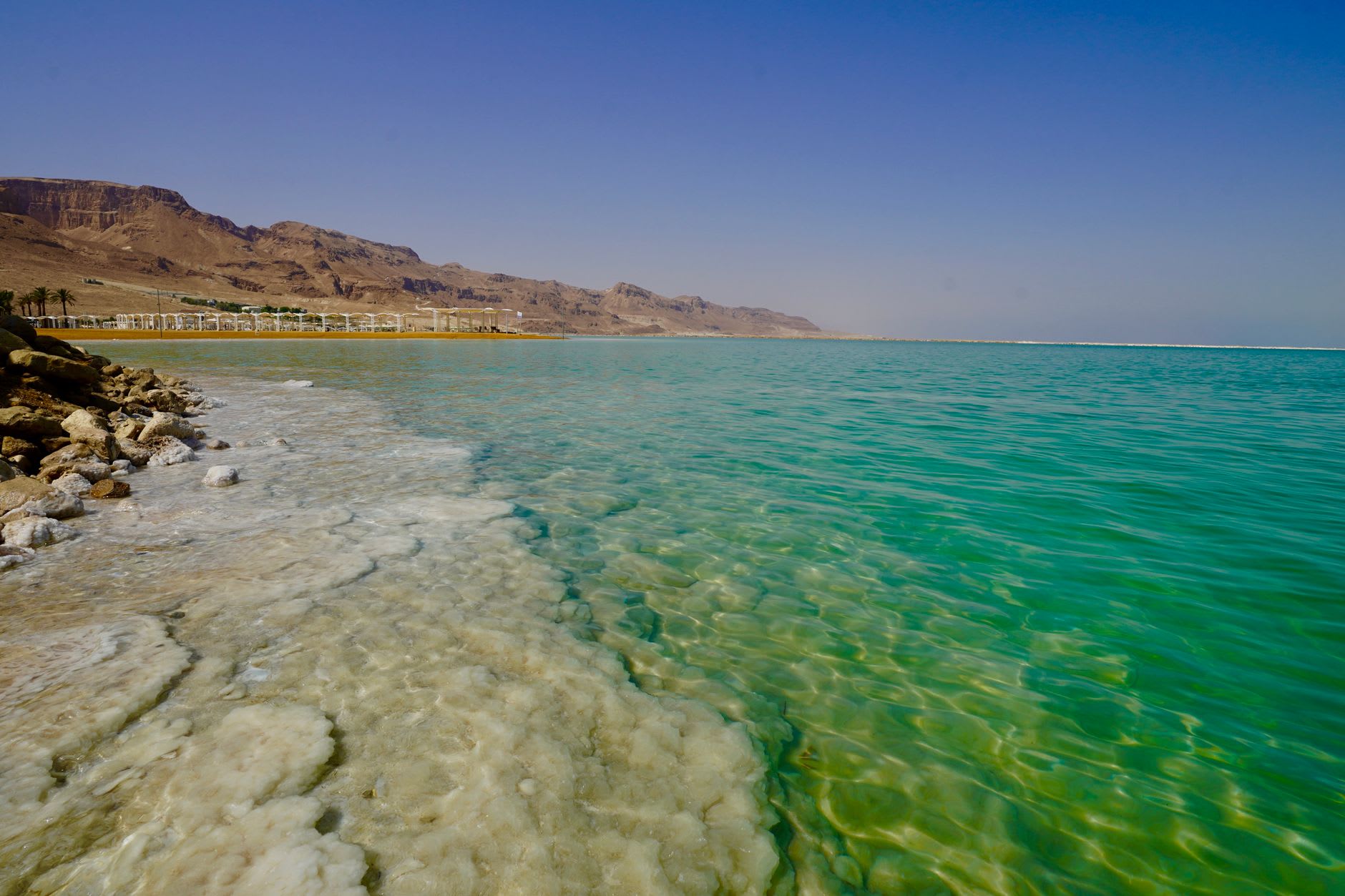
I arrived in the mid-afternoon and the haze was sitting heavy over the Jordan Valley, the way it does in spring when the air hasn’t yet decided whether to be clear or opaque. The road up from Madaba switchbacks through scrubby hills and then delivers you to a plateau edge with almost no warning — suddenly there is a parking lot and a chapel and then, beyond a low wall, the full panoramic sweep of the Jordan Rift Valley falling away below you, the Dead Sea a pewter mirror to the south, and somewhere in the milky distance on the far side, Jerusalem. On a clear day you can see the Church of the Holy Sepulchre. On the day I was there, you could see the general shape of the hills beyond the river and infer the rest.
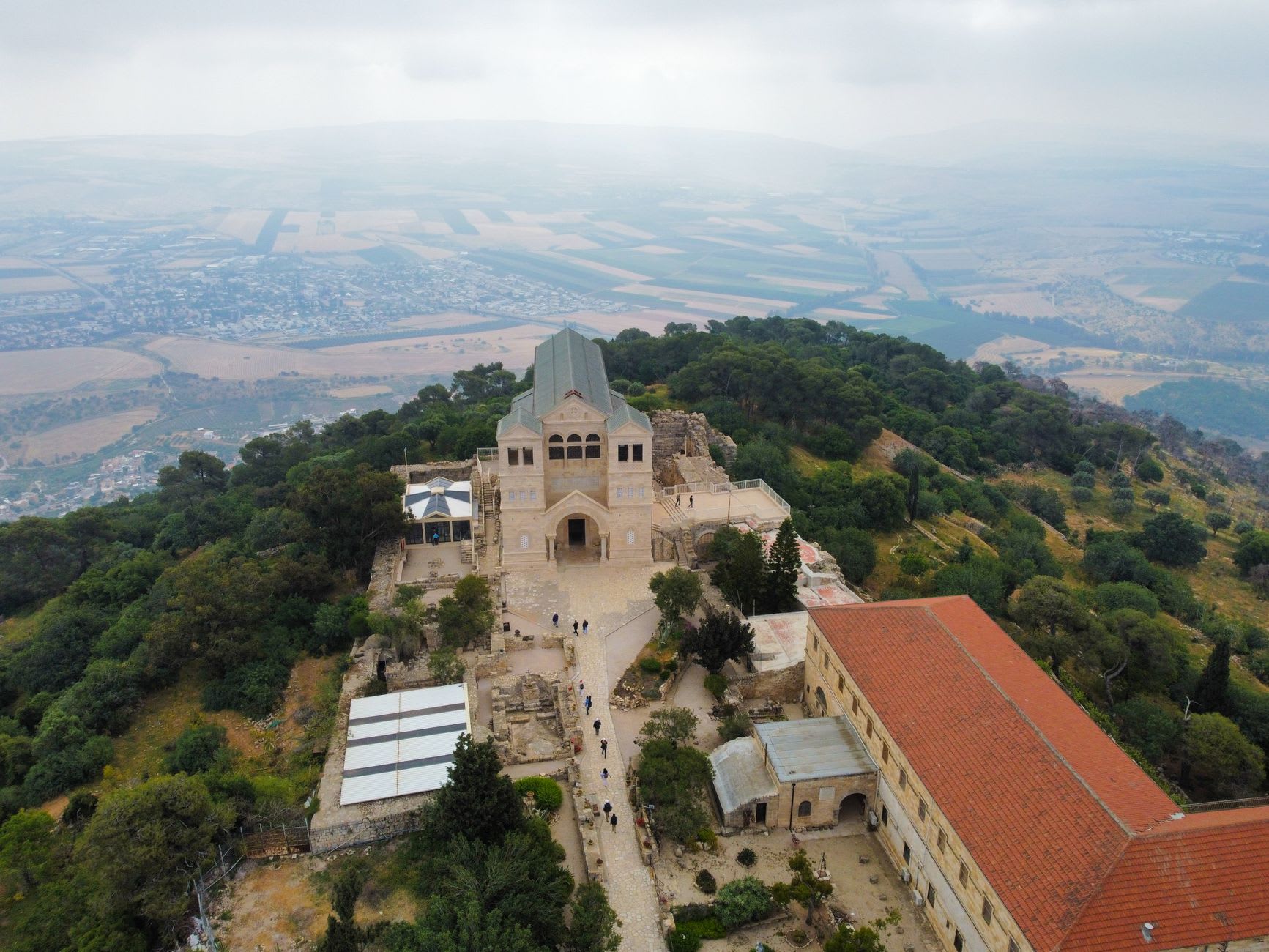
The Moses Memorial Church was first built here in the fourth century by Christian pilgrims who identified this spot as the mountain described in Deuteronomy — Pisgah, the summit from which Moses gazed at the land he would never enter, dying before he could cross the Jordan. The current structure is modern, a somewhat ungainly shelter built to protect the extraordinary Byzantine floor mosaics inside. Those mosaics date to the fifth and sixth centuries and are among the finest in the Levant: hunting scenes, pastoral figures, animals being led by barefoot shepherds, all rendered in tesserae of deep ochre and turquoise and white. They’re almost cheerful in tone, which catches you off guard given the solemnity of the location.
Outside, near the edge of the plateau, there is a sculpture of a bronze serpent wrapped around a cross — a reference to the story of Moses lifting a bronze serpent in the wilderness to heal the Israelites, and simultaneously to the cross of Christ, the two symbols deliberately merged. The Franciscans who maintain the site created it in 2000. It is not subtle, but standing beside it with that enormous view behind you and the early evening light turning everything in the valley golden, it manages to carry the weight the site demands. I stayed until the sun was low and the haze had turned pink, and the Jordanian family who had been picnicking near the wall packed their food and drove away, and I had the edge of the mountain to myself for a few minutes. The stillness was absolute. Moses or not, someone chose this place deliberately.
When to go: October through April, with late afternoon being the ideal arrival time when the sun angles across the valley and turns the haze golden rather than flat white. March brings wildflowers to the scrubby hillsides on the drive up. Combine with Madaba, just eight kilometres away, for a full day.