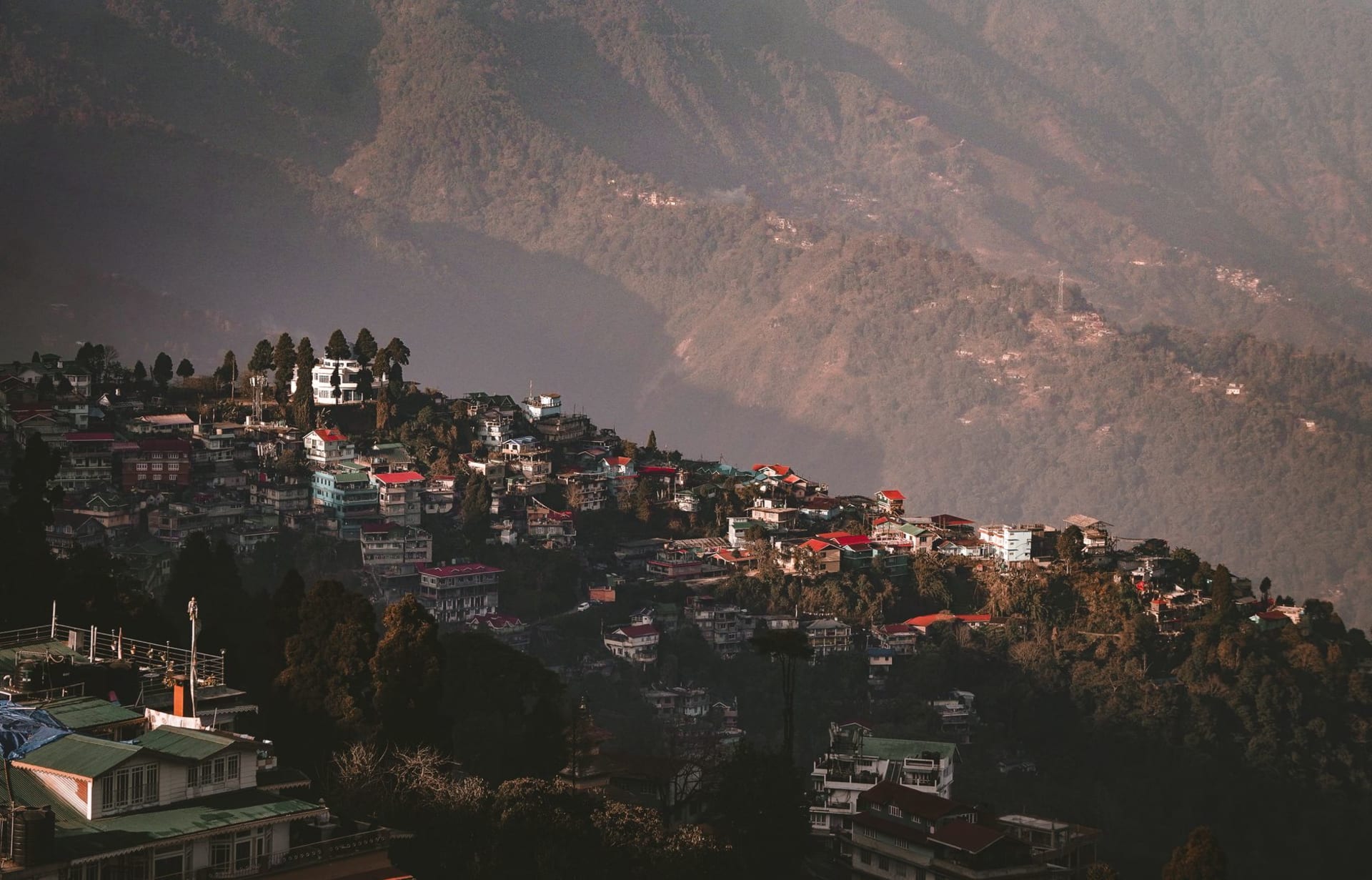
Jungpana Tea Estate
"The tea was the colour of amber and the Muscatel note was so clear I finally understood why people fly long distances to buy this."
Getting to Jungpana requires intention. The estate sits in a deep valley below the Darjeeling ridge, accessible by a steep road that descends in hairpins from the main town, and the approach — the elevation dropping, the air warming slightly, the tea plants replacing the pines — feels like entering something that is intentionally protected from casual arrival. That protection may be partly what protects the quality of what grows here. Jungpana produces Muscatel Darjeeling at an elevation that puts it among the most prestigious estates in the region, and even tea merchants in Kolkata who have spent forty years in the business lower their voices slightly when they discuss it.
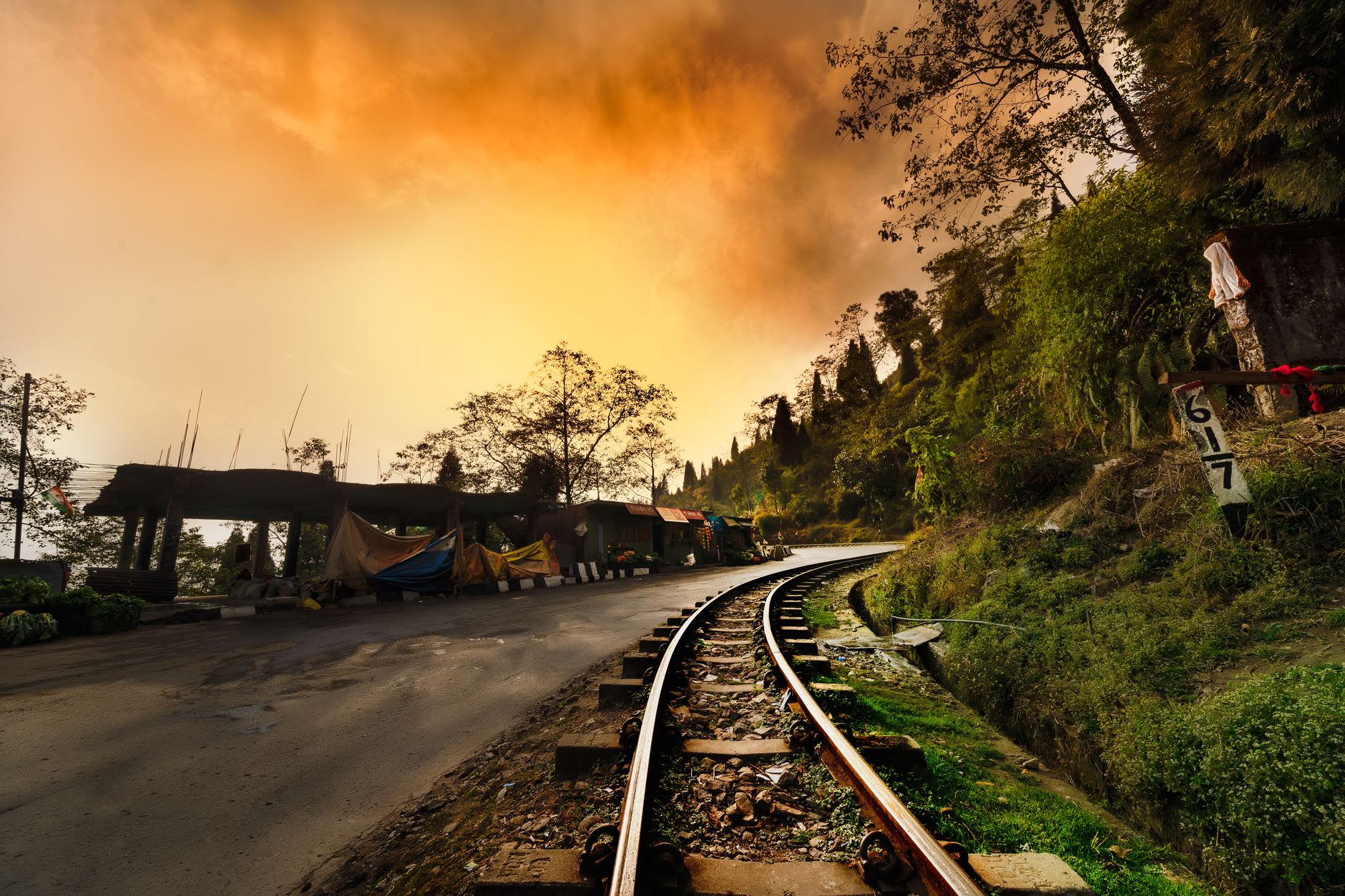
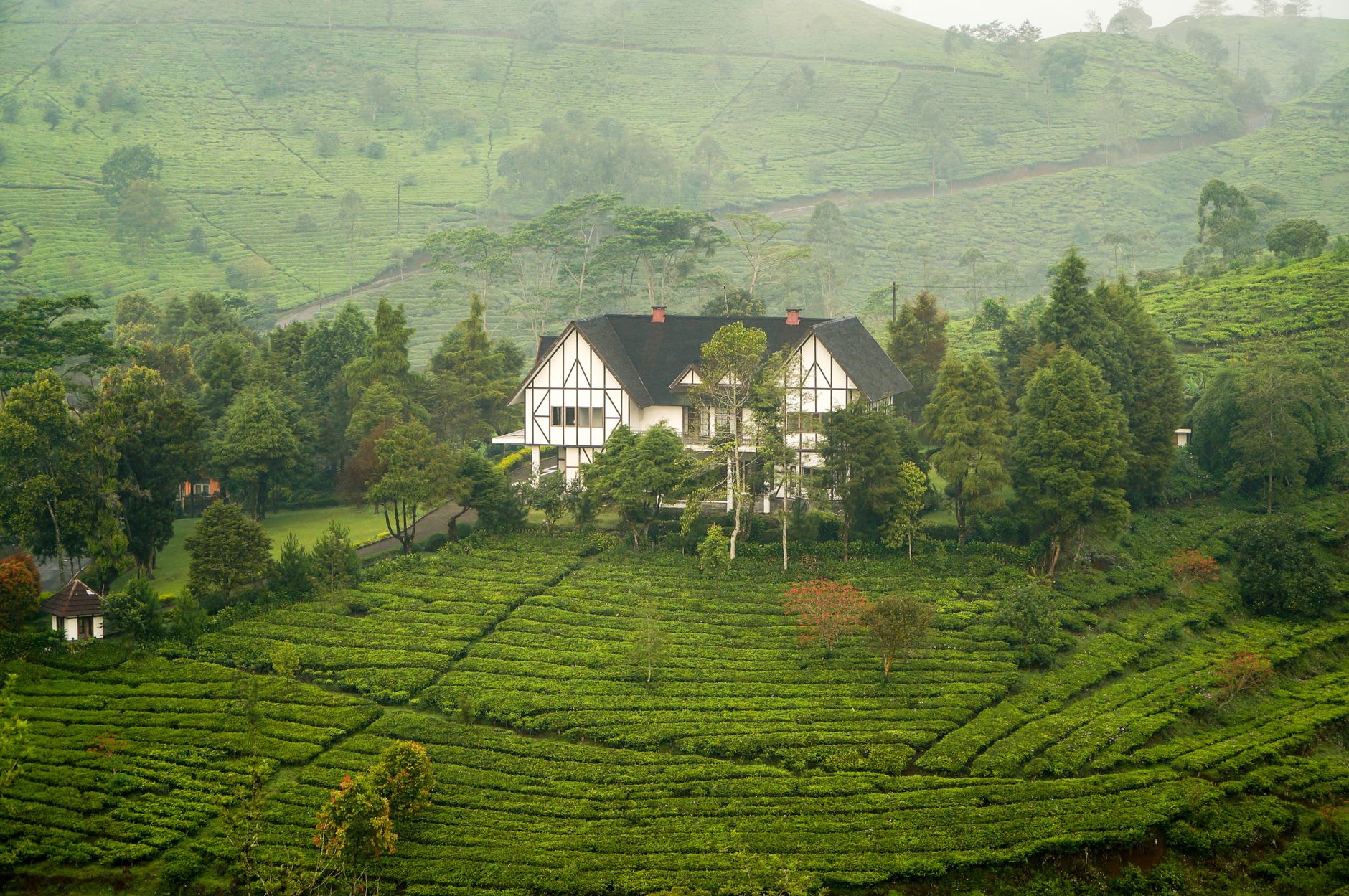
I came on the recommendation of the son at Nathmulls — the Laden La Road tea shop in Darjeeling that has been running since 1931 — who wrote a name on a piece of paper and told me to find the estate manager and ask to see the rolling room. The road down was half an hour of dramatic scenery: the valley opening below, the estate’s rows visible as a structured green carpet against the steeper slope. The last stretch was a walking trail because the manager’s jeep was occupied and he was willing to wait for me to arrive on foot, which felt entirely appropriate for a place that rewards patience.
The rolling room is where withered leaf is put through a machine that coils it into the tight spirals of Orthodox tea, and the smell on a picking day is something I have not encountered anywhere else. Not the finished tea smell. Not the raw green leaf smell of the field. Something between them — alive and fermentative, like a slow transformation you are interrupting at exactly its most interesting moment. The rollers themselves are brass-fitted machines from the 1930s, heavy, methodical, warm to the touch, doing the same thing they have done for eighty years with the indifference of well-designed objects.
The estate manager, Prem, brewed a cup of Jungpana second flush in a small office where a photograph of the estate circa 1950 hung slightly crooked on the wall. The tea was the colour of amber, almost luminous, and the Muscatel note in the nose was so clear and specific that I finally understood why people fly long distances specifically to buy this. It is not a category. It is a particular thing that exists only here, at this elevation, in this valley, because of this specific combination of cloud, soil, altitude, and plant. You cannot replicate it. You can only come to it.
When to go: May for second flush, when the Muscatel character peaks and the estate is at its most active. October for the autumn flush — different in quality, warmer and less floral, but equally interesting in its way. Contact the estate directly before visiting; Jungpana is not set up for walk-in tourism. Visits are typically arranged through Nathmulls tea shop on Laden La Road or a Darjeeling-based specialist.