Pelješac Peninsula
"The best bottle of wine I have ever opened came from a slope I could barely stand on."
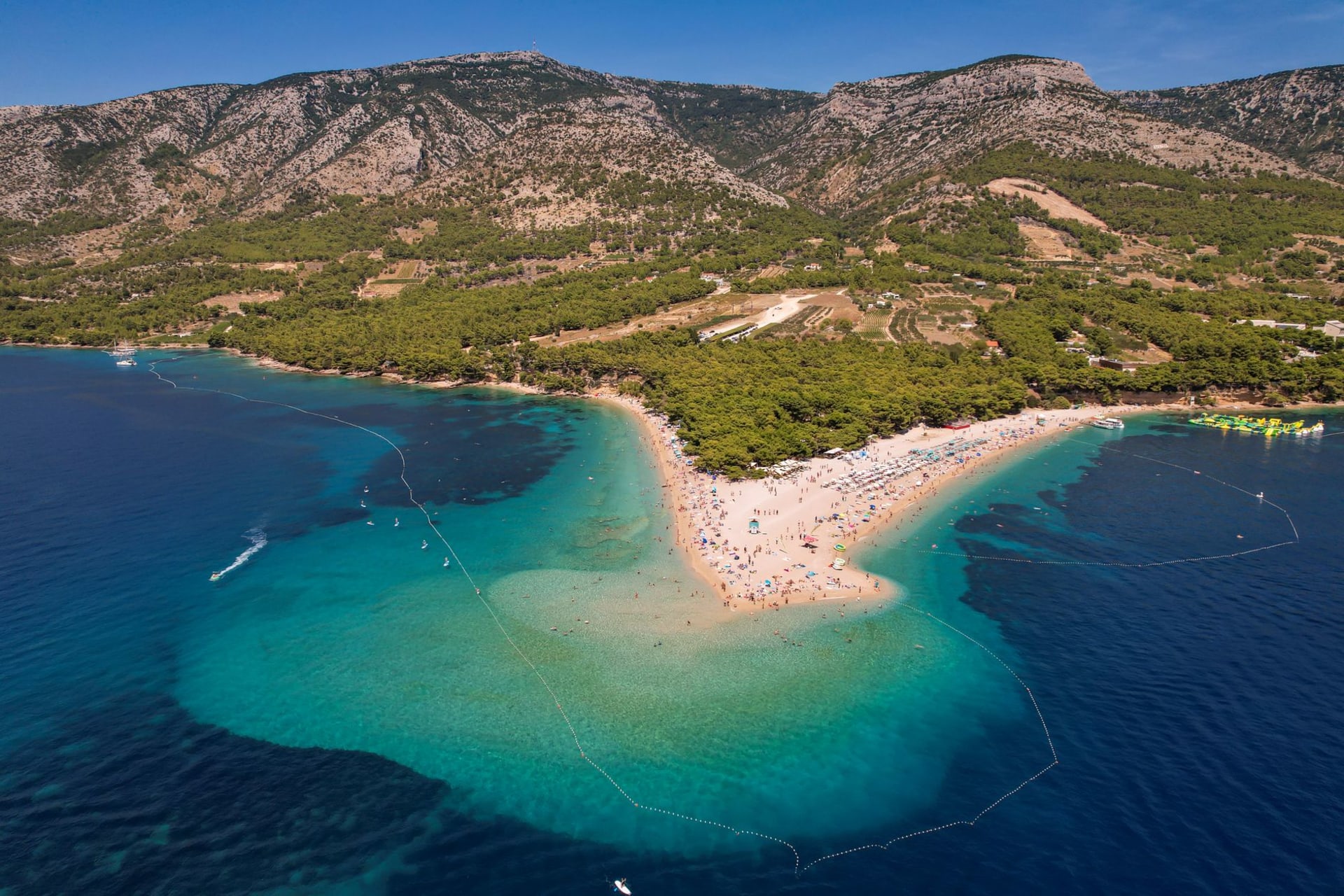
The first time I drove the length of Pelješac, I pulled over somewhere above Dingač because I could not quite believe what I was looking at. The vineyards on the southern face of the peninsula are not vineyards in any configuration I had previously encountered. They grow on slopes approaching sixty degrees in places, directly above the sea, the rows of plavac mali vines terraced into the limestone face by hand — because no machine can operate on gradients like these. The grapes are harvested by hand, sometimes loaded into backpack baskets because there is no other way to remove them from the hill. The vines look like they are clinging rather than growing. The wine they produce — Dingač, which has held a protected designation since 1961, making it one of the oldest recognized wine regions in the former Yugoslavia — is dense and dark and tastes, improbably, of dried figs and dark chocolate and the mineral quality that limestone soils can impart when drainage is absolute and sun exposure this intense. I sat on the road edge for twenty minutes looking at the rows and the sea below them and thought: everything about this is impractical, and that is precisely why it produces something irreplaceable.

Pelješac is a long finger of land — seventy kilometers from the Ston connection at its base to the village of Lovište at its tip — and the interior is one of the most sparsely populated stretches of Dalmatian territory. The main road runs along the spine of the peninsula with the Neretva valley visible to the north and the islands of Korčula and Lastovo appearing and disappearing to the south. The small towns of Orebić and Trpanj face different waters and have different characters: Orebić is the ferry departure point for Korčula just across the channel, a working town with a reasonable beach and a museum about the peninsula’s seafaring history that is more interesting than you would expect; Trpanj is smaller, quieter, the kind of place where you can find a room in a family house and eat whatever the family cooked for themselves that evening.
The Pelješac Bridge, opened in 2022, now connects the peninsula’s base to the Croatian mainland without requiring passage through Bosnia’s short coastal strip at Neum. The bridge is enormous and slightly surreal against the limestone landscape, and it has made the peninsula more accessible for visitors who previously found the detour and the border crossings too complicated. Whether this is entirely a good thing remains genuinely open. For now the interior still has that quality of somewhere tourism has not fully decided to notice.

The winery experience on Pelješac is not formalized in the way that Napa or Bordeaux has been packaged. Most producers will receive you by appointment and pour wine in what is essentially their kitchen or cellar, and the conversation about the wine is conducted with a seriousness that does not require a formal tasting room to validate it. The producer at Matuško in Potomje, one of the Dingač villages, poured me six vintages in a dim room under a low ceiling, and each one showed how the same vineyard reads the same weather differently across years. Bring cash. Leave with more than you intended. The prices remain modest enough to feel like a secret that will not stay a secret much longer.
When to go: September is harvest time and the peninsula is at its most alive — the vineyards are being picked, the cellars smell of fermentation, and the light on the limestone slopes in the late afternoon is the kind of thing you remember for years. June for quiet roads and the beginning of the swimming season on the southern beaches near Orebić. The Dingač tunnel on the road to the south-facing vineyards is sometimes closed in winter storms.