
The Czech Republic's second city trades tourist polish for authentic energy, with world-class modernist architecture and a thriving underground scene.

Brno is the city Czechs recommend when they want to keep Prague for the tourists. The capital of Moravia has a university-town energy — young, irreverent, caffeinated — and an architectural heritage that rivals anything in Central Europe. Villa Tugendhat, Mies van der Rohe’s functionalist masterpiece, sits in a quiet residential neighborhood, its glass walls and flowing spaces as radical now as they were in 1930. I booked the tour three weeks in advance because that is what you do for a building that changed the entire trajectory of modern architecture. Standing in the main living space, with the onyx wall catching the afternoon light and the garden visible through floor-to-ceiling glass, I understood something about space and proportion that no photograph had communicated. This is a building that has to be inhabited, even briefly, to be understood.

The old town clusters around the Cabbage Market and Zelný trh, where vendors still sell vegetables beneath the Baroque Dietrichstein Palace. Underneath, the ossuary at St. James’s Church holds more bones than you’d expect from a city this size — fifty thousand skeletons, making it the second largest ossuary in Europe after Paris. The Špilberk Castle offers panoramic views and a history as a Habsburg prison that once held Italian revolutionaries in conditions so grim that it earned the nickname “prison of nations.” The casemates are open to visitors, and the darkness down there is the kind that makes you grateful for electric light and democratic governance.
But Brno’s real currency is its bar and café scene — craft breweries, natural wine bars, and third-wave coffee roasters packed into medieval cellars. The Stará Pekárna cultural center hosts live music in a converted bakery. The bar scene on Jakubské náměstí fills the square with the particular buzz of a city that has enough students to keep things interesting and enough history to keep things grounded. I ended up in a wine bar in a thirteenth-century cellar where the sommelier poured Moravian Grüner Veltliner and talked about terroir with the same precision I have heard in Burgundy. The wine was excellent. The bill was almost comically small.

When to go: June through September for warm evenings in the outdoor bars. The Brno Christmas market in December is excellent and far less crowded than Prague’s. The Ignis Brunensis fireworks competition in June turns the Špilberk Castle into a backdrop for pyrotechnics that draw crowds from across the country.
Keep exploring
More from Czech Republic
 czech-republic
Ceske Budejovice
The home of original Budweiser beer — Budvar — sits on the largest square in Bohemia, ringed by Baroque arcades and unassertive grandeur.
Explore czech-republic
Cesky Krumlov
A fairytale town wrapped in a river bend, where a massive castle watches over terracotta rooftops and cobblestone lanes.
Explore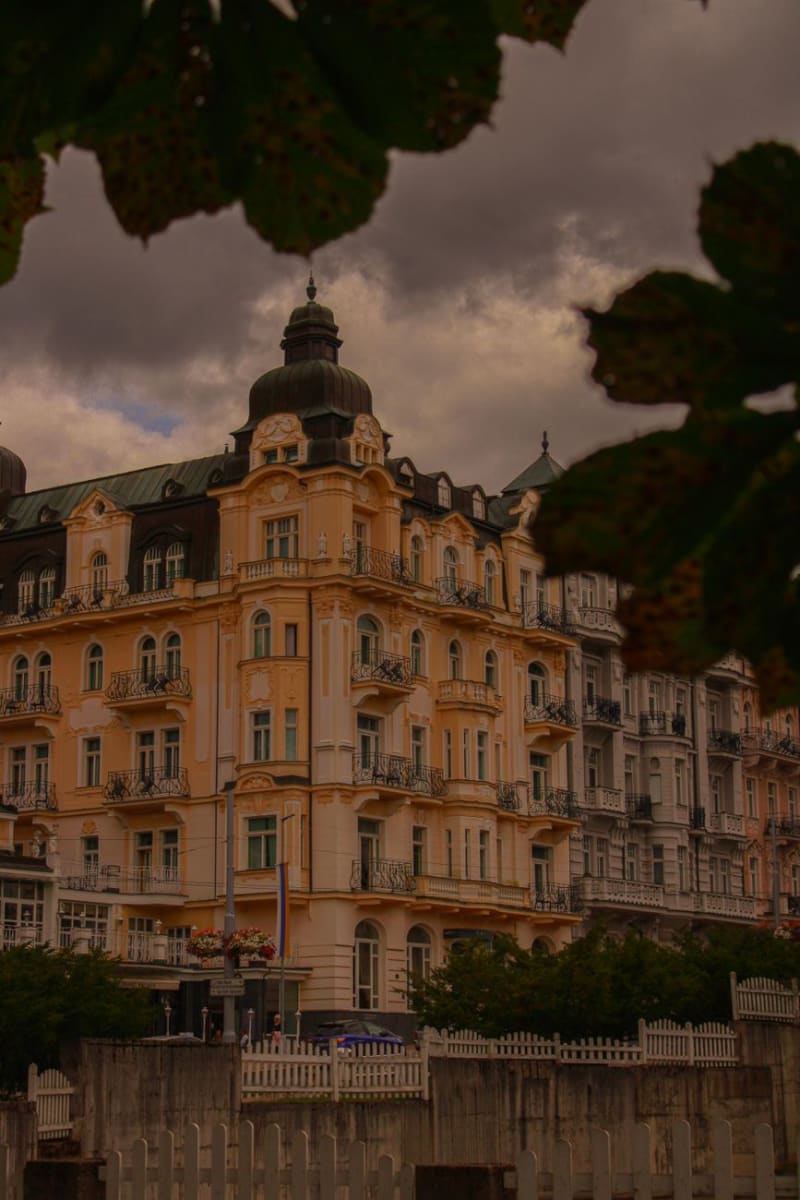 czech-republic
Karlovy Vary
A grand spa town nestled in a forested valley where hot springs, colonnades, and pastel facades create an atmosphere of elegant decay.
Explore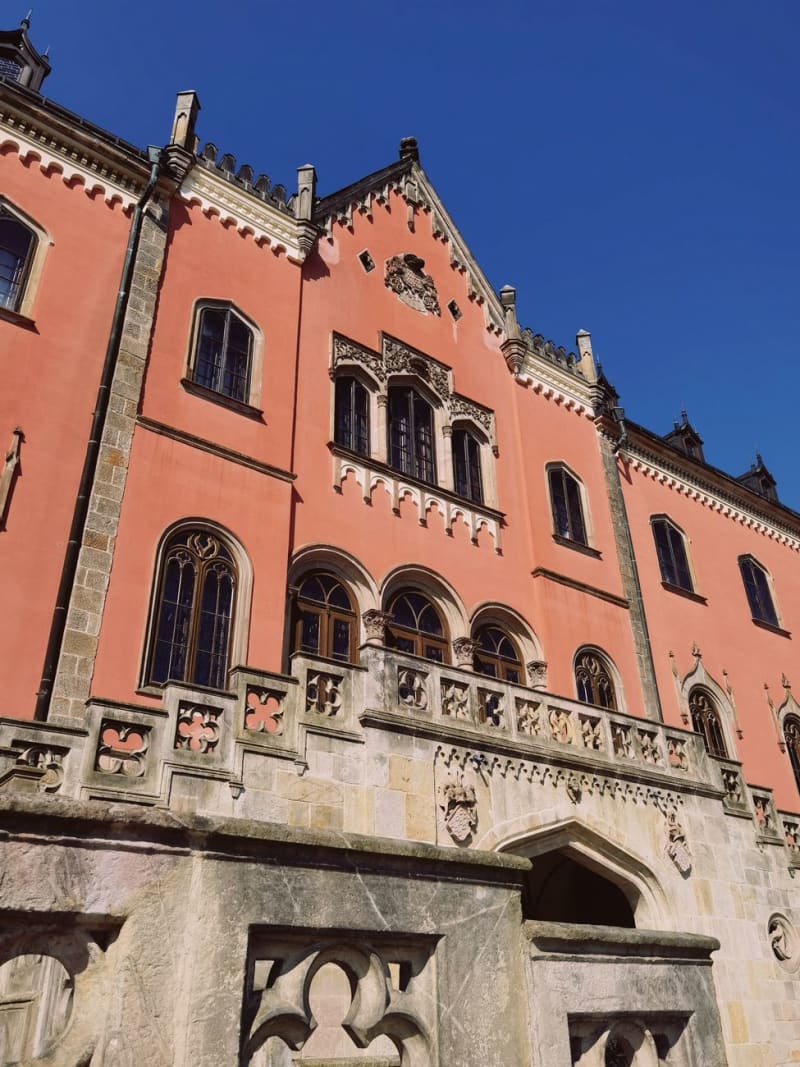 czech-republic
Karlštejn Castle
A Gothic fortress stacked up a wooded hillside southwest of Prague, built by an emperor to guard his holiest treasures and still looking like it means it.
Explore czech-republic
Kutna Hora
A silver-mining town with a bone chapel, a Gothic cathedral to rival any in Europe, and streets that remember when this was the richest city in Bohemia.
Explore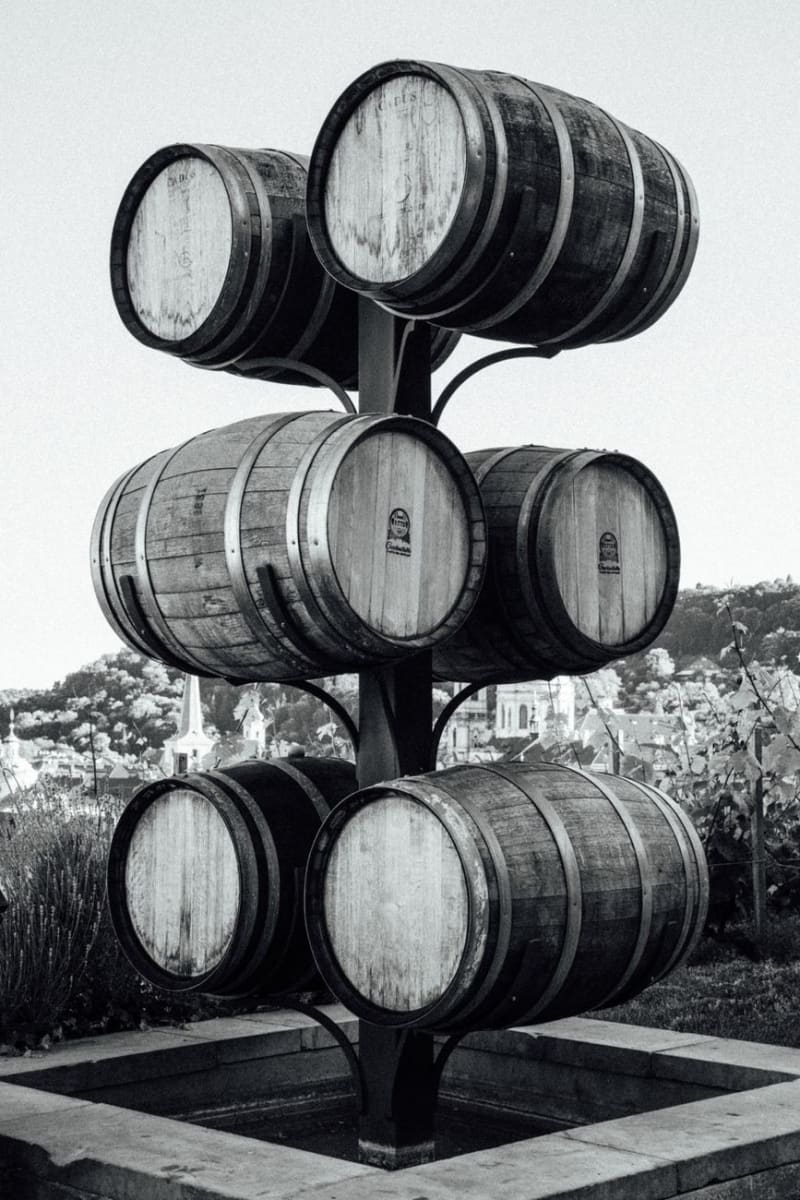 czech-republic
Moravia
Rolling vineyard hills, wine cellars carved into chalk, and a folk culture that makes the rest of the Czech Republic look positively reserved.
Explore