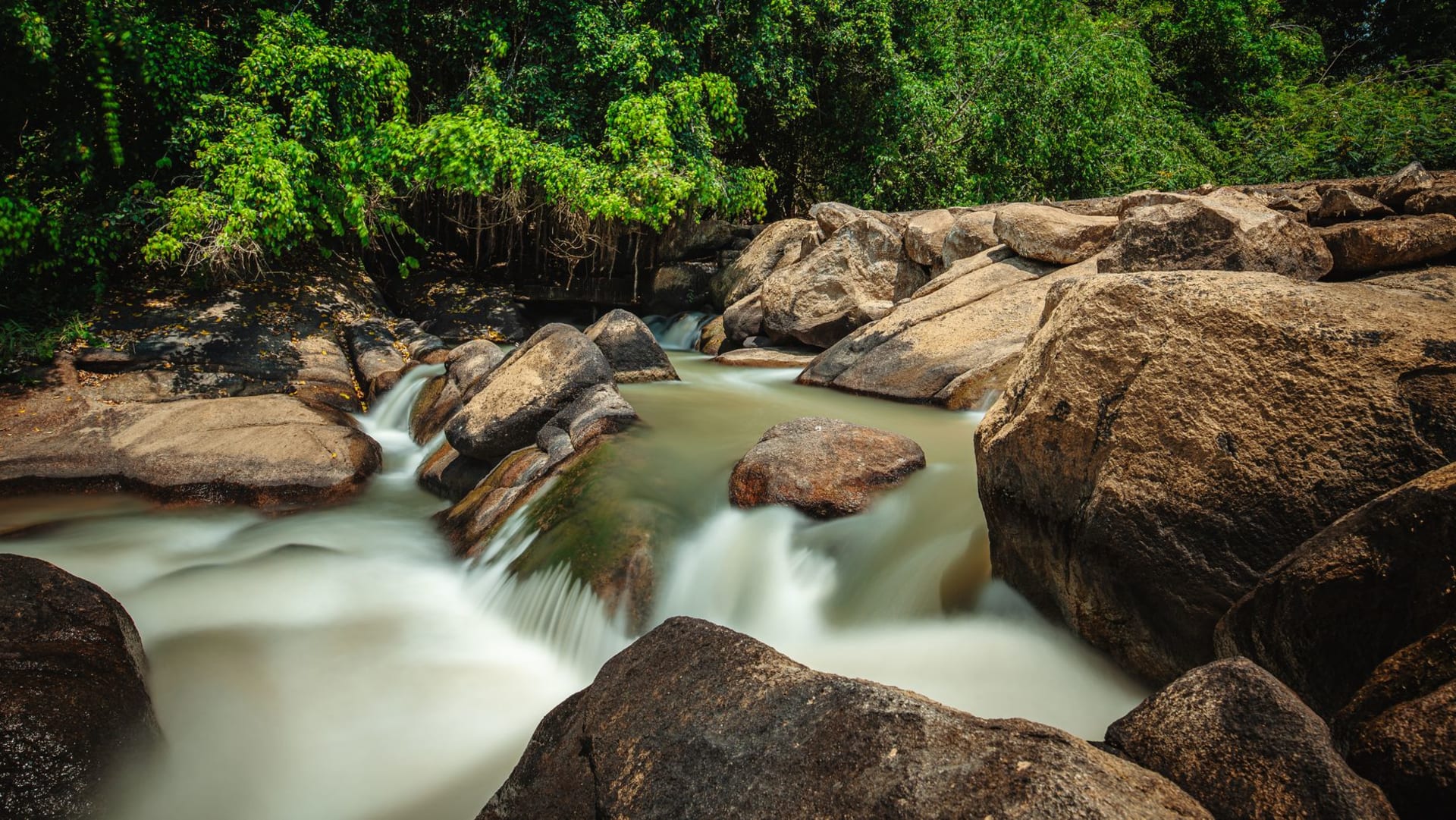
Christoffel National Park
"Nobody warns you that a Caribbean island can feel like the Sonoran desert. This one does."
I drove into Christoffel National Park at six-thirty in the morning with a rental car that had a broken air conditioner and a park ranger who waved me through the gate and told me to start early or suffer. He meant the sun. By nine it would be on the path like a physical weight. I bought a trail map and drove past a cluster of white-tailed deer standing on the road who regarded me with complete indifference before walking slowly into the brush, their hooves quiet on the gravel.
The park covers the northwestern quarter of Curaçao and preserves something that the rest of the island has mostly lost — the original arid landscape that existed before sugar and salt. The vegetation is extraordinary if you give it attention: columnar cacti that grow to six meters and have been here for decades, the branches going gray and coral-like at the top; agaves with their single dramatic flower spike shooting up before they die; rare Curaçaoan orchids that appear in rocky crevices in the rainy season; the twisted divi-divi trees that all lean in the same direction because the trade winds have been leaning them since they were saplings. Everything in this landscape is adapted and specific, and walking through it feels less like a Caribbean hike than like walking through the dry hills of Baja California.
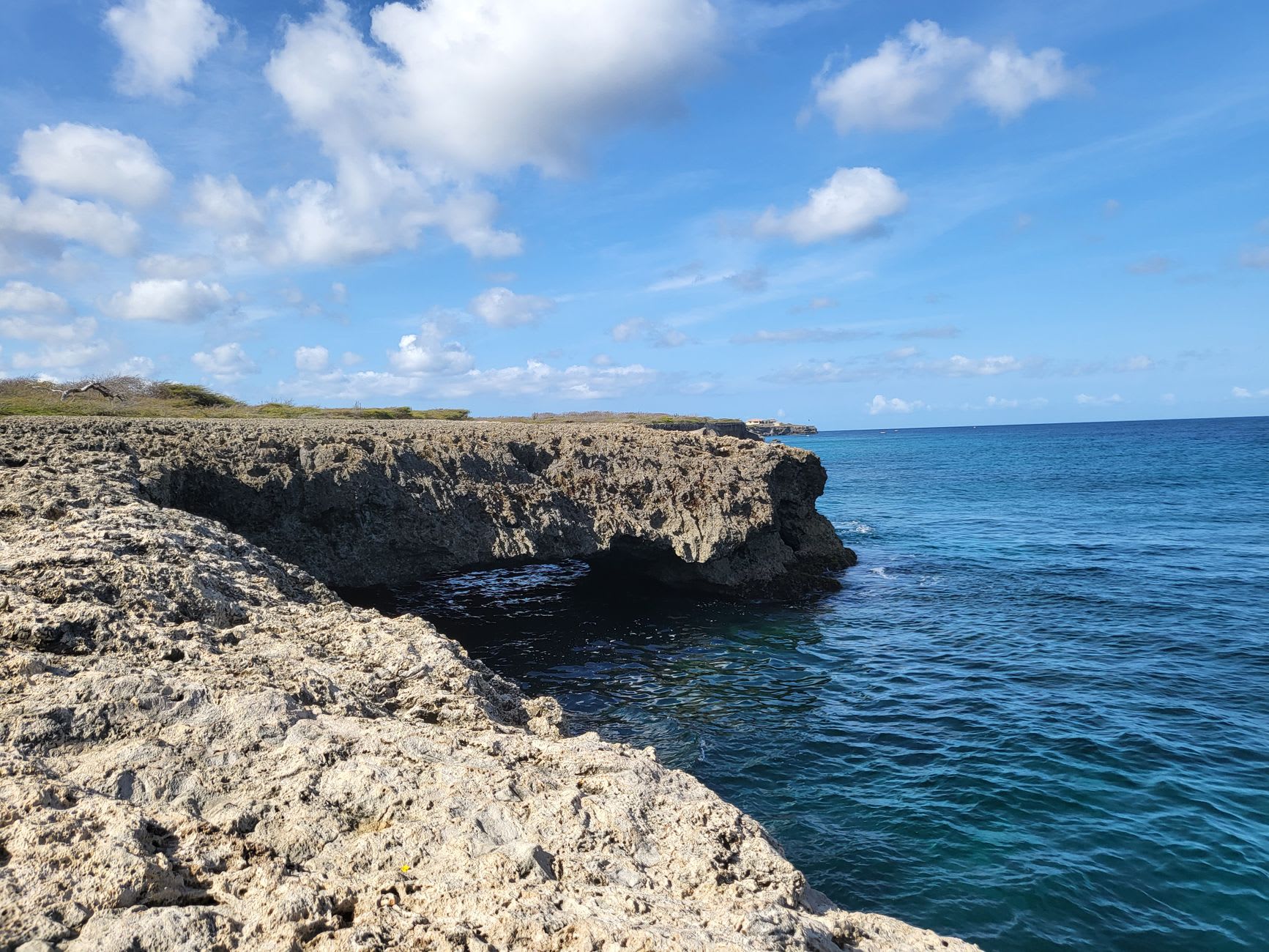
The summit of Christoffelberg — 375 meters, the highest point in Curaçao and the former Dutch Antilles — is reached by a trail that takes about two and a half hours up and is harder than it looks on the map. The last section involves some actual scrambling over loose volcanic rock with your hands involved. I went up slowly in the early cool and passed three other hikers coming down with the expressions of people who had done something they weren’t sure they would recommend. At the top: the whole island laid out below, the sea on three sides, the salt ponds glittering in the distance, Willemstad just visible to the southeast, and on the clearest days the coast of Venezuela thirty miles away. I sat there for forty minutes and drank all the water I had and it was worth every drop of sweat.
The park also holds the ruins of two plantation landhuizen — the stone walls and foundations of the old Savonet estate, the only surviving buildings from the plantation system that shaped this part of the island through three centuries of enslaved labor. The park museum at Savonet deals with this history seriously and without euphemism. I went through the exhibition slowly. There is a map of the plantation’s original layout, and a record of the enslaved people who lived and died here, and a description of the conuco system — the small plots of land where enslaved people grew their own food — and it made the deer I’d seen that morning on the road feel like they were walking through someone’s memory.
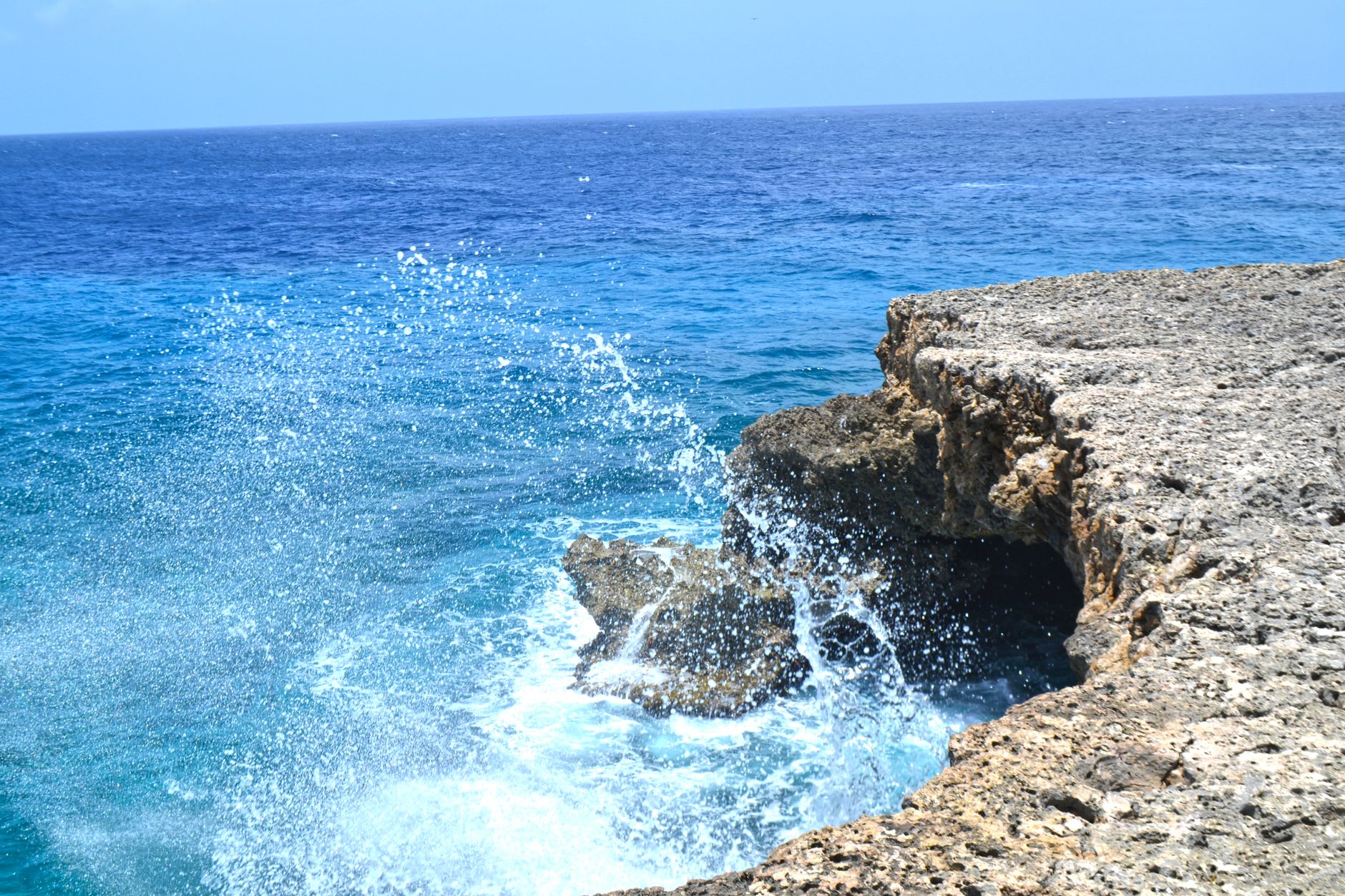
There are also cave systems in the park containing ancient Arawak petroglyphs — drawings of hands, abstract shapes, and figures that date back at least a thousand years to the indigenous peoples who inhabited Curaçao before European contact. The rangers lead guided tours to the cave most accessible to visitors, and I went on one with a group of four other people on a weekday morning. The guide was quiet and knowledgeable and let the cave and its drawings do most of the talking.
When to go: Arrive at the park gates when they open, ideally between 6 and 7am, and complete the summit hike before noon. The park closes in the early afternoon on weekdays. Avoid summit hikes from October through January when the path can be slick from rain. The museum and cave tours run year-round. Bring at least two liters of water per person for the summit trail — more than you think you need.