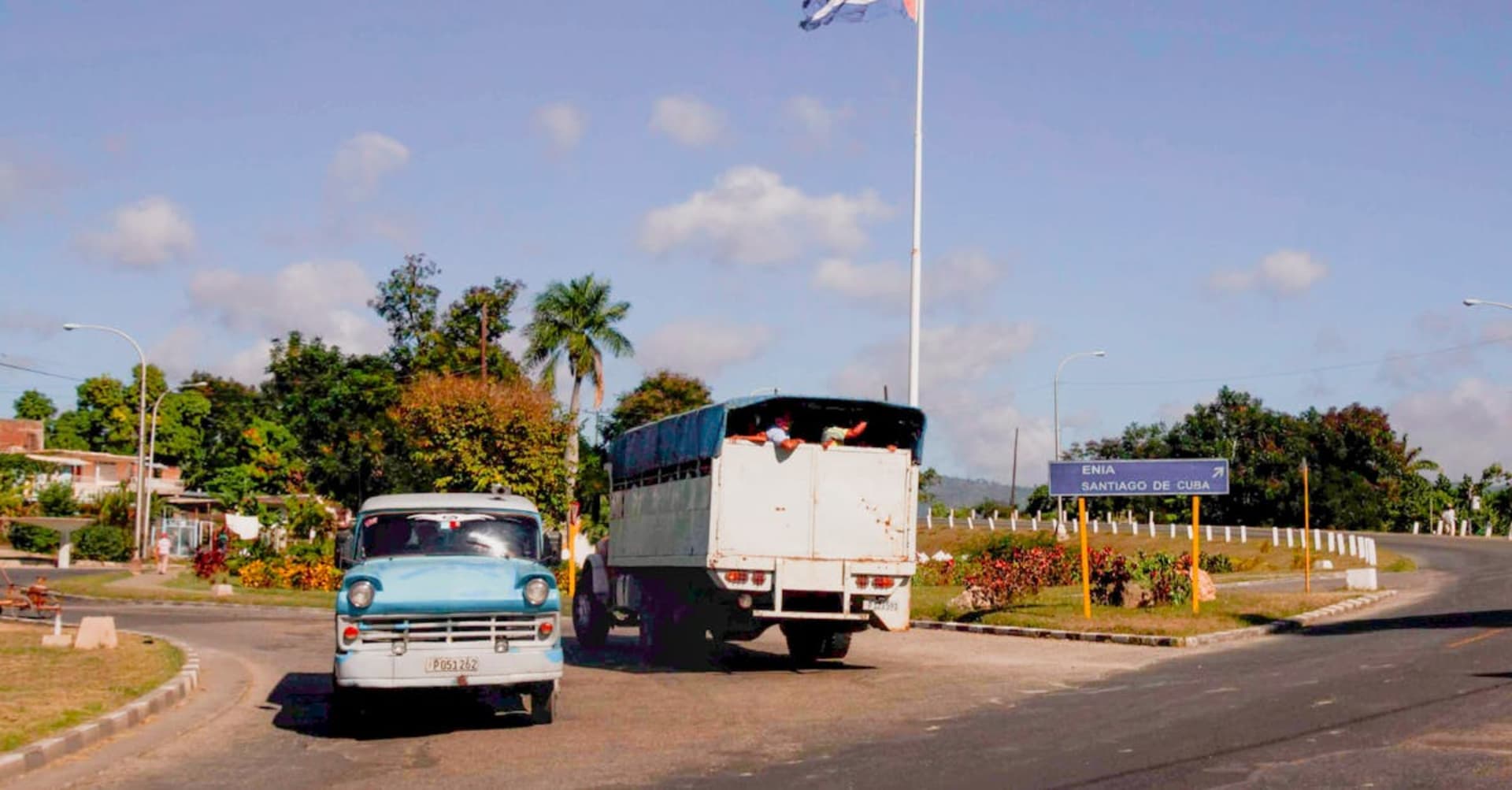
Santiago is where Cuba’s soul is loudest. The city’s Afro-Cuban heritage runs deeper than anywhere on the island — the Carnival in July is the country’s most exuberant, its congas (street parades) driven by rhythms that trace directly to West Africa and Haiti. The Casa de la Trova, the original music house of the son tradition, still hosts daily performances in a sweltering upstairs room where the music has not stopped since 1912.
I arrived in Santiago at noon and by 2pm I was drenched in sweat, underprepared for the heat, and convinced this was the most alive city I had visited in the Caribbean. Santiago does not seduce — it overwhelms. The streets climb steeply from the harbor, the buildings are painted in colors that seem to intensify in the heat, and the music is everywhere, not as background but as infrastructure, as essential to the city’s functioning as water or electricity.
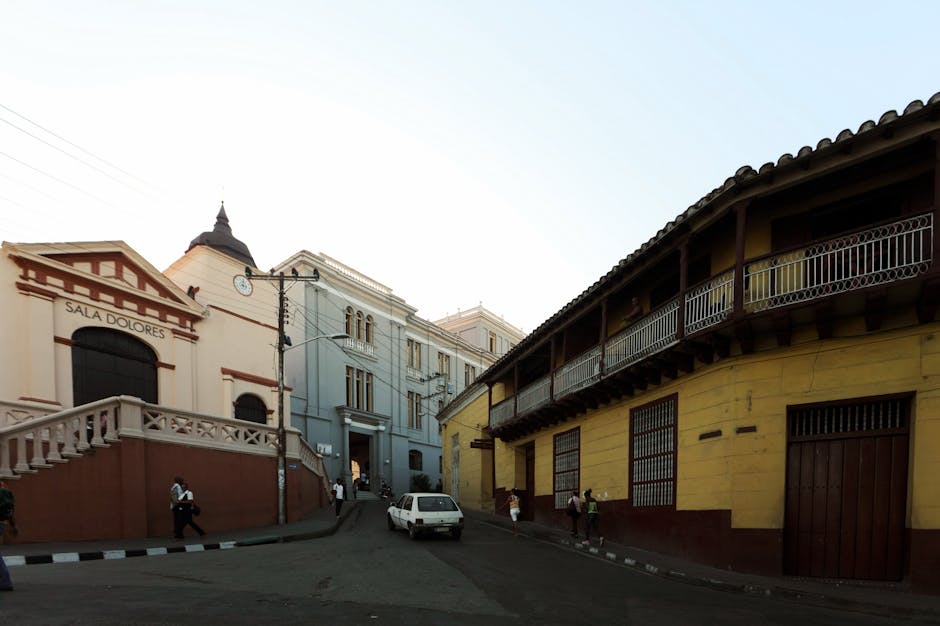
The revolutionary history is equally present. The Moncada Barracks — where Castro’s failed 1953 attack launched the revolution — is now a museum with bullet holes preserved in the facade. Standing in the courtyard, reading the names, you feel the weight of what this building means to the country’s self-narrative. The Santa Ifigenia Cemetery holds the mausoleum of Jose Marti and the tomb of Fidel Castro — the changing of the guard ceremony every thirty minutes is solemn and surprisingly moving.
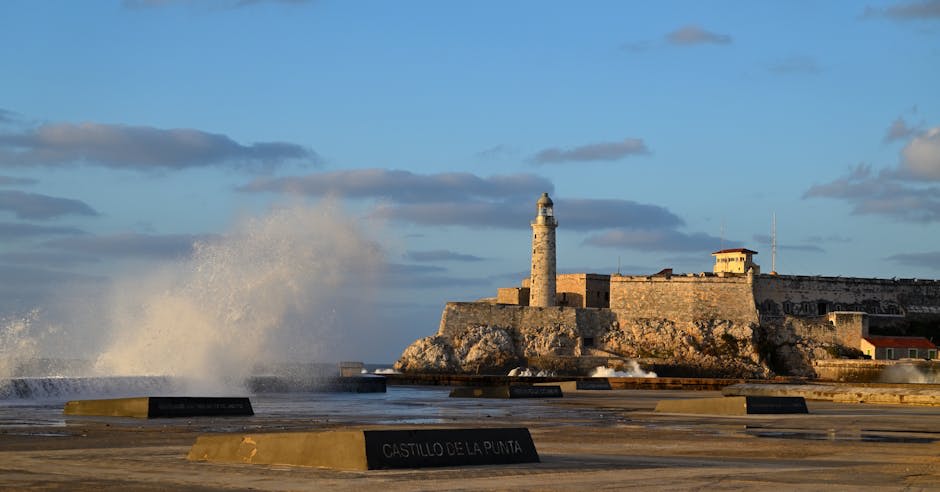
Above the harbor, the Castillo del Morro fortress guards the bay entrance, and the Sierra Maestra mountains rise behind the city, the range where the revolution’s guerrilla campaign was waged. The drive up to the Gran Piedra — a massive boulder at 1,200 meters — offers cooling temperatures and views that stretch to Haiti on a clear day.
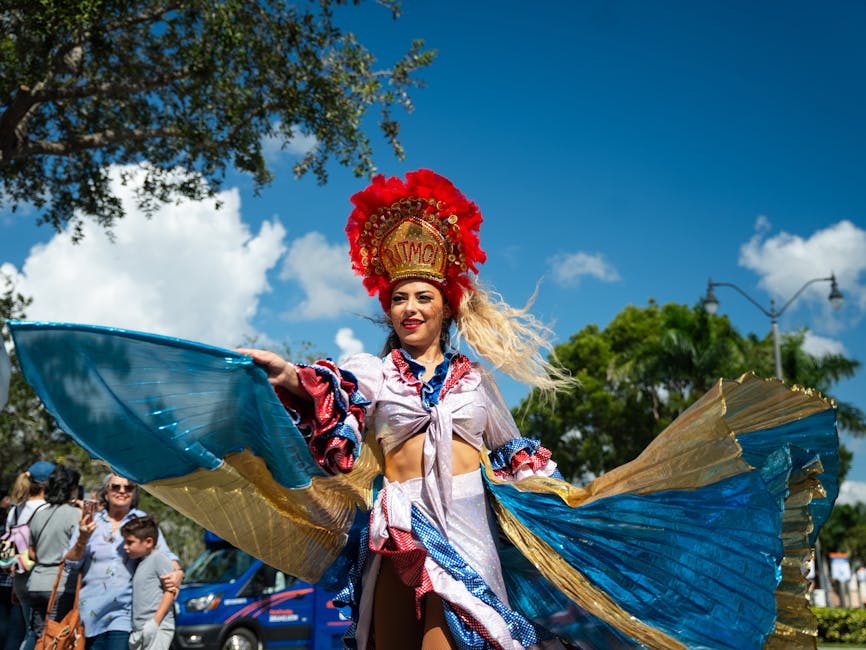
The Casa de la Trova deserves a separate visit, separate from any itinerary or plan. Go in the afternoon when the heat keeps the tourists away and the musicians play for each other. The son — Cuba’s foundational music, the root of salsa, the rhythm that Buena Vista Social Club brought to the world — was born in these eastern mountains, and hearing it played in this room, by musicians who learned it from musicians who learned it from the originators, is one of those experiences that recordings cannot replicate.
The food in Santiago reflects its Caribbean position — more spice, more coconut, more heat than Havana. The pru, a fermented drink made from roots and spices, is sold on street corners and tastes like nothing else in Cuba. The paladares in the Tivoli neighborhood, the old French-Haitian quarter, serve dishes with a Creole influence that you will not find anywhere else on the island.
When to go: November to April for dry season. July for Carnival — book far ahead. Santiago is Cuba’s hottest city — be prepared for serious heat year-round.