Europe
Corsica
"France by passport, wild Africa by soul — Corsica confused me in the best way."
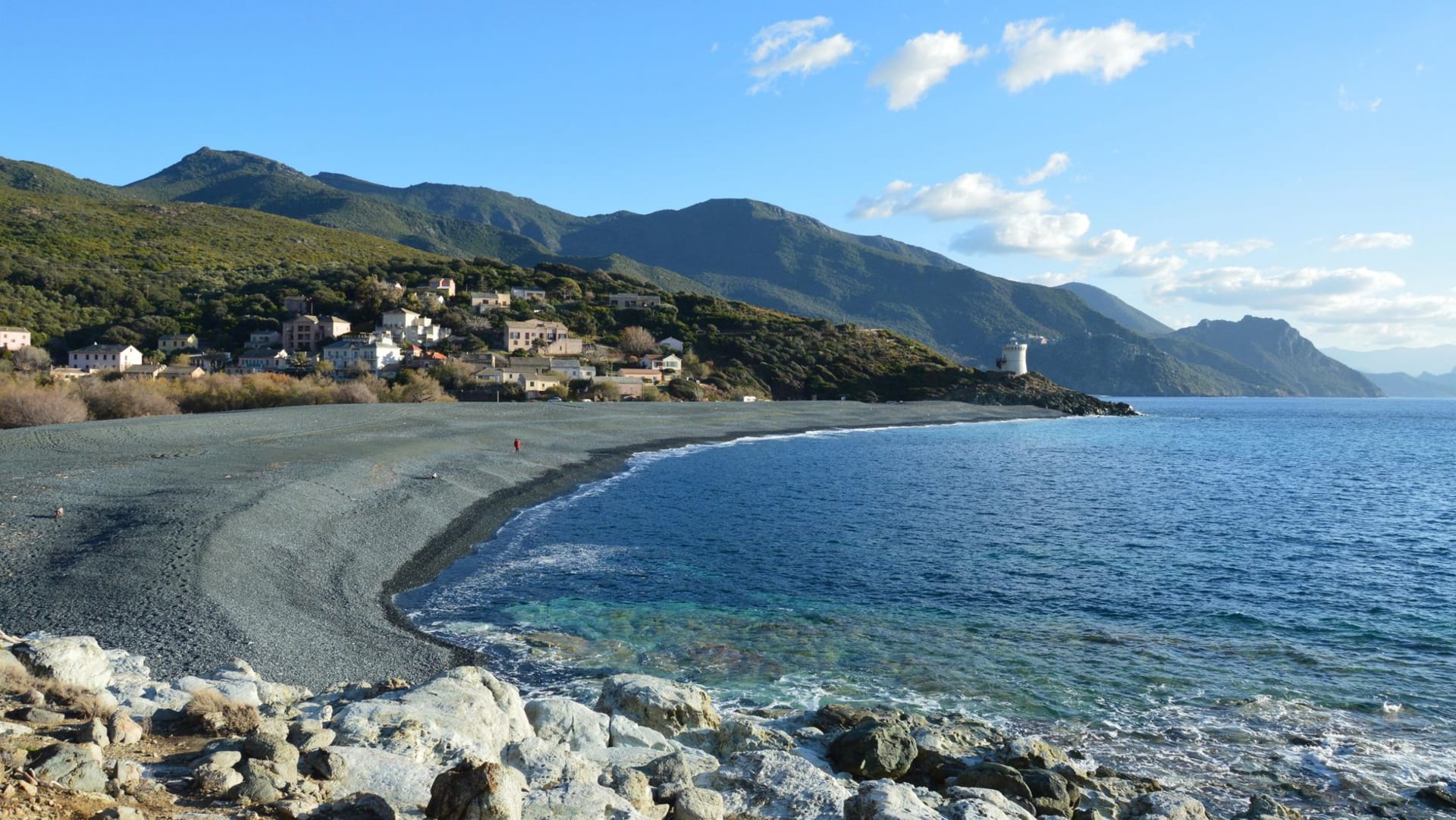
I flew in from Marseille on a plane so small I could see the pilot’s coffee cup. Then the island appeared beneath us — not the postcard turquoise coves (those came later), but the spine: granite ridges running north to south like something tectonic and unresolved, forest so dense it looked prehistoric. I remember thinking, this is not what I expected from a French island. I expected Nice with mountains. I got something closer to Sardinia by way of an Algerian hinterland.
That first morning I drove the D81 along the west coast with the windows down. The maquis hit me before anything visual did — that particular Corsican scrubland smell of rosemary, lavender, and something resinous I still can’t name. It’s the smell every local describes when they talk about being homesick. By the time I reached Piana and the Calanques de Piana at sunrise, the orange porphyry columns glowing above the sea, I understood why Corsicans are so fiercely attached to this place. It doesn’t feel like Europe. It feels like a secret.
The food confirmed it. Forget the croissants. In Corsica you eat charcuterie made from semi-wild pigs that roam the chestnut forests — coppa, lonzu, figatellu — with a density of flavor that makes the mainland stuff taste like cardboard. Brocciu cheese appears in everything: ravioli stuffed with it, fiadone cake sweetened with it, just eaten plain with chestnut honey at a bergerie in the hills above Corte. I had lunch at a family table outside Sartène where nobody spoke to me in French until I’d proven myself with the cheese plate. After that, the wine appeared. I didn’t leave until four in the afternoon.
The interior is what most visitors never see. The GR20 hiking trail cuts across the island north to south through terrain that would feel at home in the Alps — granite passes at 2,500 meters, glacial lakes, switchbacks that take your breath away literally and figuratively. You don’t need to do the full traverse to feel this. Even a single day section, say the loop around Lac de Nino, drops you into a Corsica that has nothing to do with beach clubs or rosé.
When to go: May, June, or September. July and August the coastal towns fill with French and Italian vacationers, prices double, and the narrow roads become genuinely dangerous. In May the maquis is in full bloom and the mountains still have snow on the highest ridges — extraordinary contrast. September the sea is warmest and the interior is golden and empty.
What most guides get wrong: They sell Corsica as a beach destination with pretty villages attached. It’s actually a mountain island that happens to have beaches. The soul of the place is in the interior — Corte, the forests above Vizzavona, the Alta Rocca plateau — and most visitors never leave the coastal strip. Also: Corsicans are not cold, they’re just selective. Push through the initial reserve and you’ll eat better, stay in better places, and understand the island in a way no guide can sell you.