Falmouth
"Three rivers meeting the sea, and the oysters taste like the argument between them."
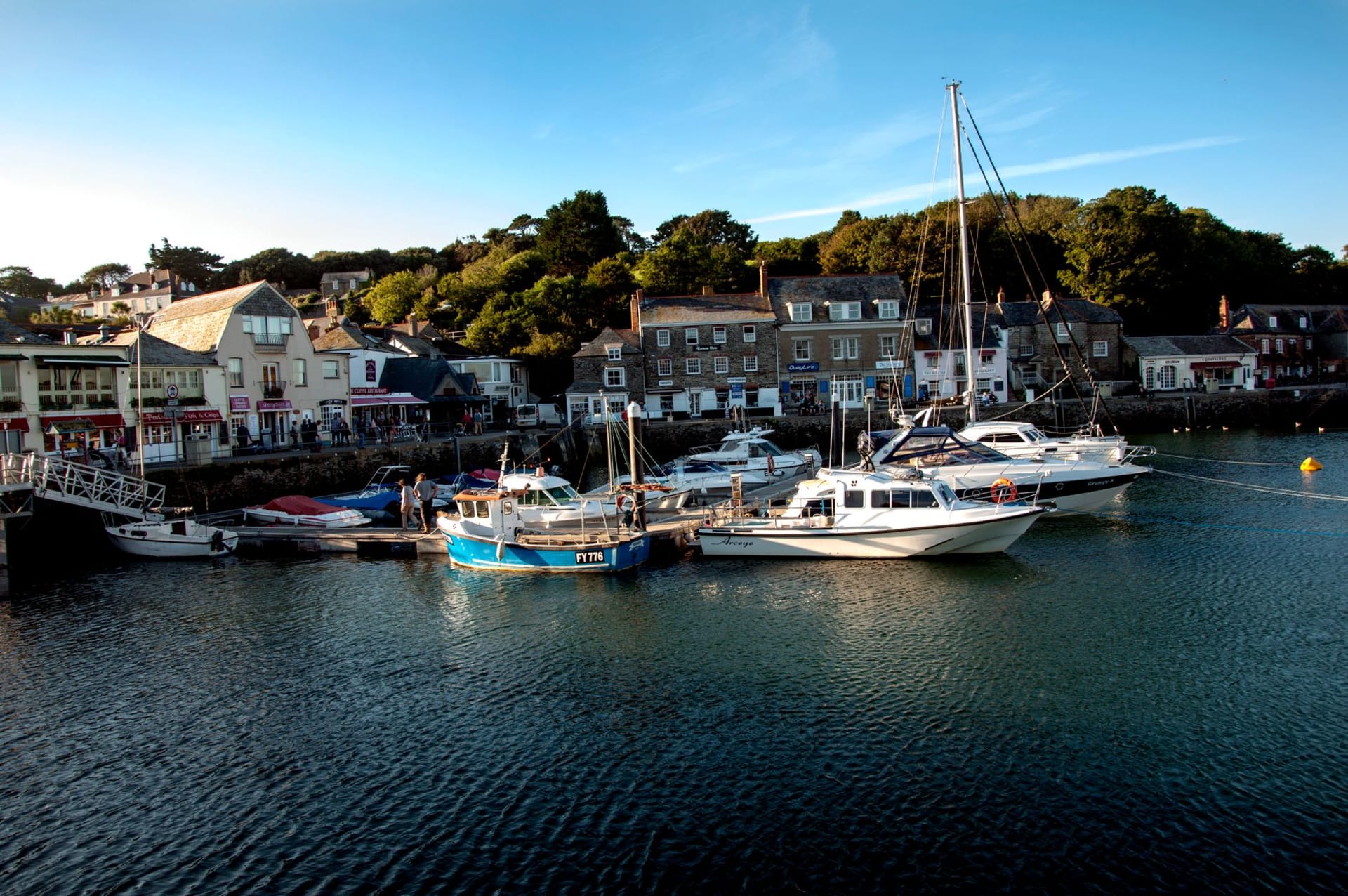
Falmouth has the third-deepest natural harbor in the world, a fact that its residents mention with the casual pride of people who know it’s an unusual thing to be able to say. The Carrick Roads — the name for the tidal inlet where the Fal, Truro, and Penryn rivers meet the sea — is wide enough to hold a significant portion of the world’s shipping fleet during both World Wars, and the town that grew up around it has the layered quality of a place that has been seriously at work for a very long time.
I arrived by the King Harry Ferry — a chain-driven ferry that crosses the Fal estuary on a crossing so short that by the time you’ve gotten out of your car the other bank is already approaching. This is the way to arrive. The estuary from the ferry looks like a river in a different, older England: wooded banks, cormorants on the posts, the water green-brown and moving with the tide. By the time I parked near the Custom House Quay and walked down to the oyster bar, I was already in the mood that Falmouth requires.

The oysters come from the Fal estuary, dredged under sail using the Falmouth Working Boats — the last working sailing vessels in Britain, which fish under sail because the estuary is a protected UNESCO zone where motorized dredging is banned. This is the kind of detail that sounds invented but isn’t. The oysters are small and briny with a metallic finish that speaks directly of the estuary they came from, and they’re available at several quayside spots, shucked while you watch, with nothing but a squeeze of lemon required.

The National Maritime Museum Cornwall is on the waterfront and it earns more than the usual grace extended to provincial museums. The collection focuses on small boats — the vessels that people have actually used to interact with the sea, not the ships of admirals — and the handling of it is intelligent and affecting. I spent longer there than I’d planned, particularly in the section about the Fal boatbuilders, whose work is still happening in workshops behind the museum. The town also has one of the most interesting arts scenes in Cornwall, driven partly by Falmouth University and partly by the quality of the light in the studios above the harbor.
When to go: October for the oyster season at its peak and the harbor quieter. The Falmouth Week sailing regatta in August is spectacular if you’re into sailing, chaotic if you’re not.