Pukapuka
"Even the language here refuses to fit neatly into the rest of the country. I liked it immediately for that."
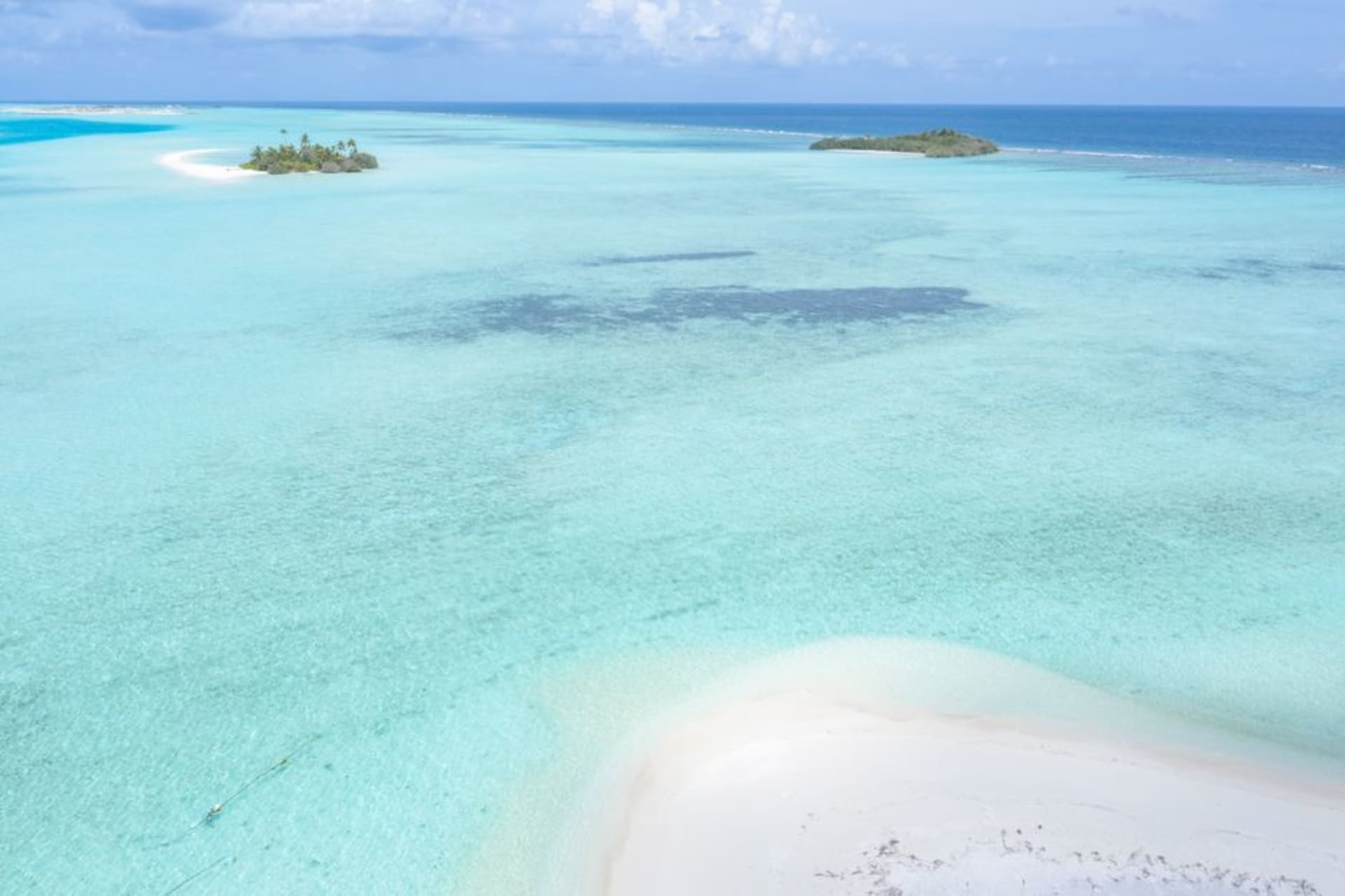
A remote triangular atoll whose Polynesian culture and language diverge so sharply from the rest of the Cook Islands that linguists still argue about its origins.
Pukapuka is one of those places where you arrive and immediately understand that whatever category you’d mentally filed “Cook Islands” under needs revising. The atoll is unusually shaped, a rough triangle of reef holding three main islets, and it sits so far northwest of the rest of the group that its culture developed along a noticeably different line — the local language, Pukapukan, is distinct enough from Cook Islands Māori that many islanders speak both as separate tongues, and some linguists connect its roots more closely to Samoa and the Polynesian outliers of the western Pacific than to Rarotonga.
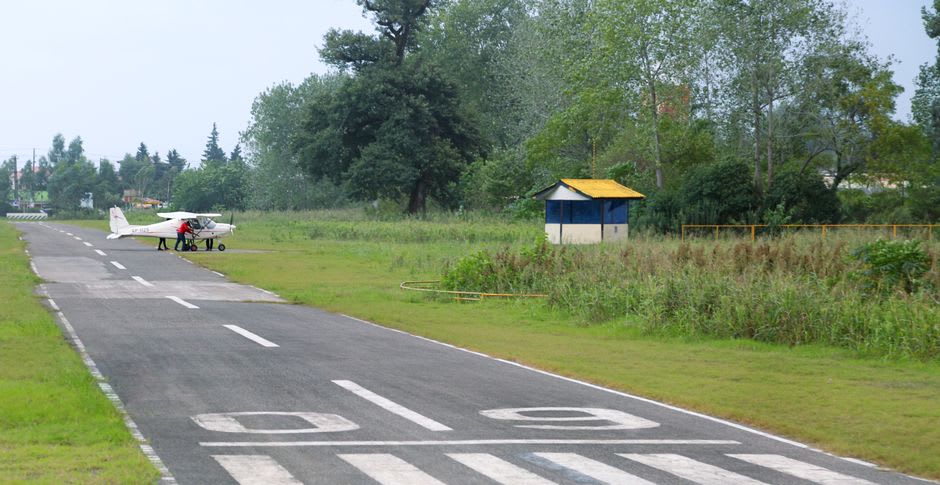
I landed on the grass strip and was met by a small crowd who treated the arrival of the twice-monthly flight as something between an event and a formality — mail got sorted on the spot, boxes handed off, a few animated conversations conducted over my head in Pukapukan I didn’t understand a word of. The village life here runs on a system of matrilineal land tenure and clan divisions, called wua, that dictate everything from which side of the atoll you fish to who you’re related to at a wedding. A local schoolteacher spent an evening trying to explain the wua system to me over instant coffee, and by the end I understood maybe forty percent of it and respected it completely.
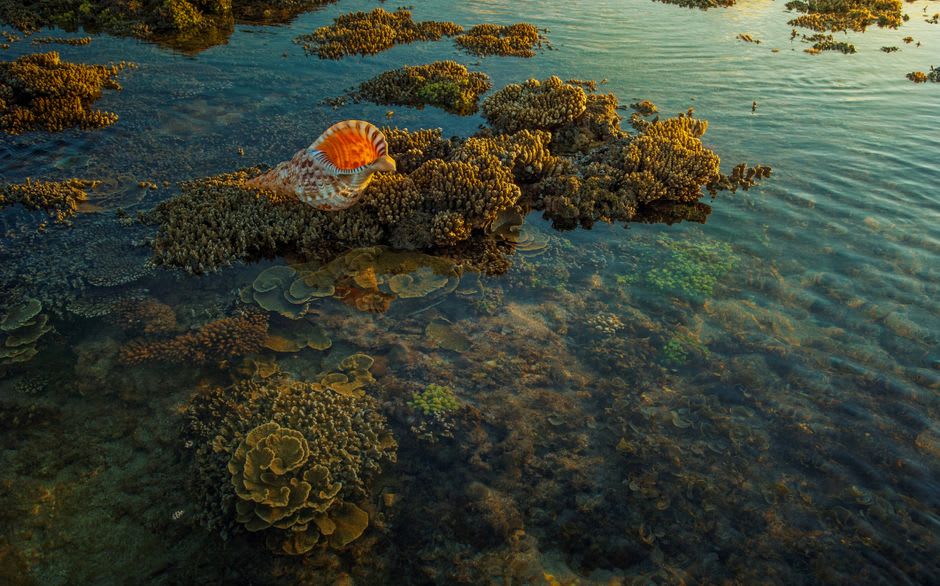
The reef flats at low tide are where I spent most of my free hours, walking out for what felt like a kilometre over exposed coral and shallow pools crowded with small reef fish, sea cucumbers, and the occasional startled crab. Locals do the same walk daily to gather shellfish, moving with a confidence over the uneven coral that took me an embarrassingly long time to approximate without stumbling. In the evenings, the whole village seemed to gather informally near the church, singing that carried clean across the flat land with no buildings tall enough to interrupt it.
When to go: Flights are rare — typically twice monthly at most — so this requires serious advance planning and flexibility. Aim for the April-to-November dry season and arrange a homestay through Rarotonga contacts well before you travel.