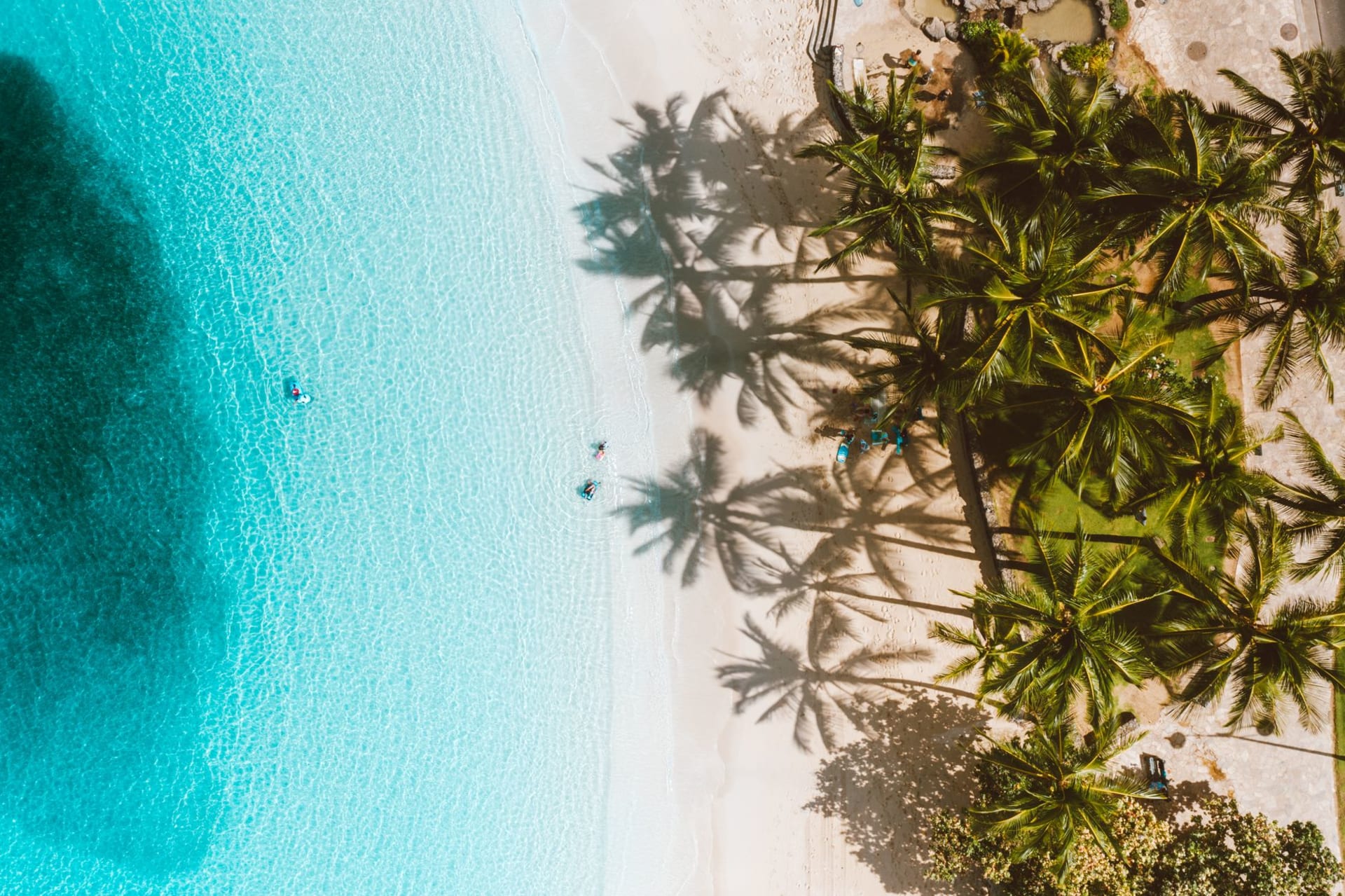
One Foot Island
"Tapuaetai is the kind of place that makes you forgive every photograph you have ever seen of it."
The boat from Aitutaki village takes about forty minutes to reach Tapuaetai, winding through the lagoon on a route that Tama — our captain, a man who navigated by instinct and small handwritten marks on a laminated map — seemed to know the way a musician knows a song. The water changes colour as you cross. Near the village it is deep teal, almost green. In the channel it goes dark briefly, then emerges into shallow mint as the lagoon floor rises toward the sandbars. By the time Tapuaetai appears on the horizon — a low, coconut-fringed line that seems to float rather than rest on the water — the whole thing is a shade of blue I genuinely had no precise word for. Not turquoise exactly. Not aquamarine. Something with a luminosity that photographs approximate but do not capture, the way photographs cannot really show the quality of light in a cathedral or the scale of something very large.

The island itself is small enough to circumnavigate in fifteen minutes at a relaxed walk. The interior is a handful of coconut palms and a structure that serves as the world’s most improbable post office — a small building staffed by a cheerful woman who stamps passports with the Tapuaetai postmark, one of the more sought-after passport stamps on the traveller’s circuit, and who charges a modest fee that seems entirely fair given the effort of maintaining a post office on a sandbar in the middle of the Aitutaki Lagoon. I got the stamp. I am not embarrassed by this. The outer edge of the island, facing the reef, gives onto a stretch of snorkelling that is among the best in the Cook Islands — coral formations close to the surface, fish in numbers and colours that cataloguing feels beside the point, the occasional blacktip reef shark moving through the middle distance with the composed authority of something that knows the territory.
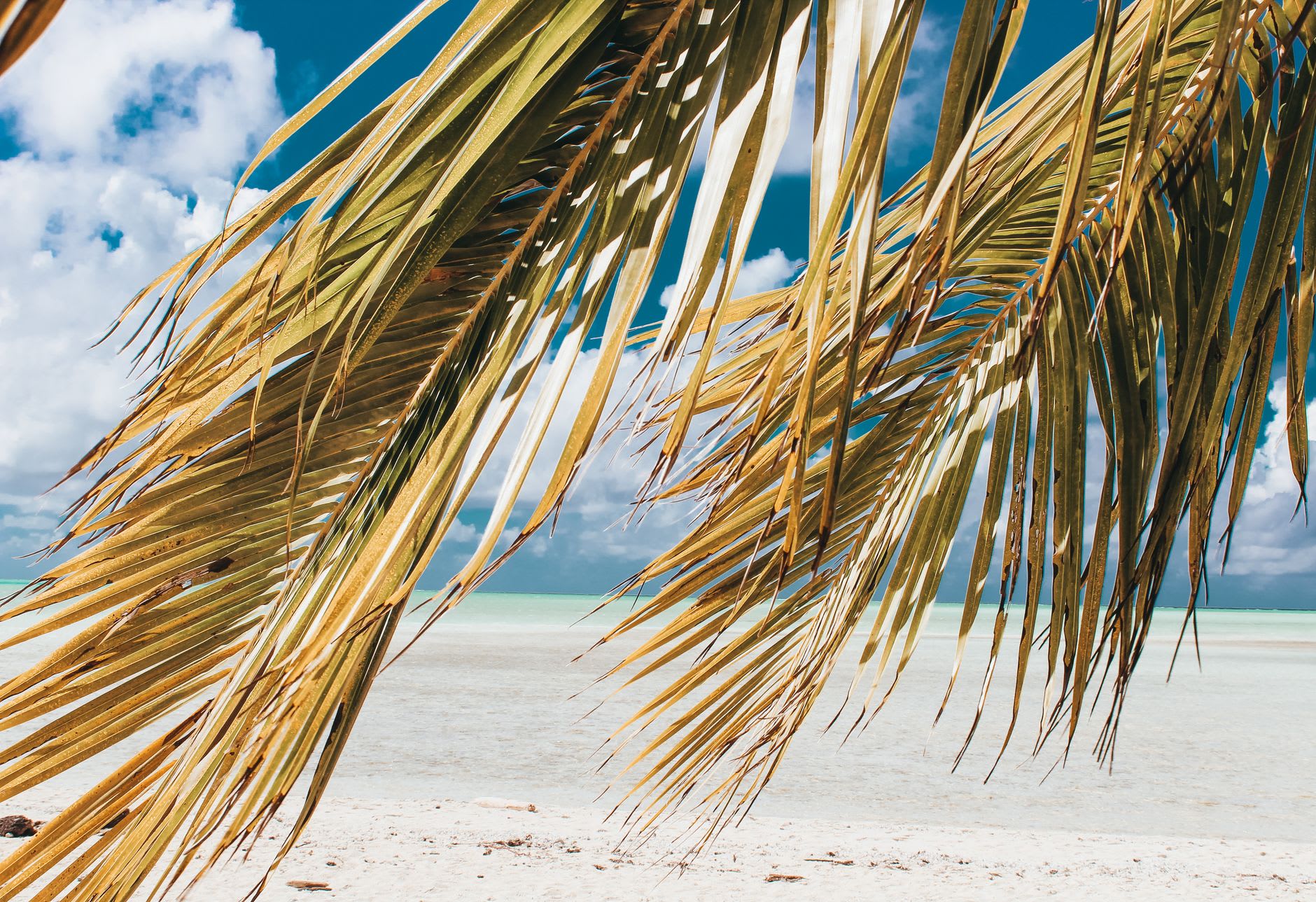
But the real experience of Tapuaetai is not the snorkelling or the passport stamp. It is the hour between two and four in the afternoon when the tour boats have mostly gone and the light has gone gold and the lagoon does something to colour that is only possible when the sun is low and the water is shallow and there is nothing between you and the horizon except more water. I sat on the sand with my feet in the lagoon until the last boat back departed, and I watched the light change the water from turquoise to gold to something almost pink at the edges, and I thought about the Polynesian legend behind the island’s name — about a father who hid his child’s footprints to protect them from invaders, leaving only one set visible — and it made the place feel older and more complicated than the photographs suggest. Which is exactly the point of going rather than looking.
When to go: One Foot Island is accessed exclusively by boat tour from Aitutaki — there is no independent ferry or water taxi. Tours run daily in the dry season, April through October, and less reliably in the wet season. Staying overnight on Aitutaki rather than visiting on a day trip from Rarotonga dramatically improves your chances of a calm morning crossing and an afternoon on the motu without crowds.