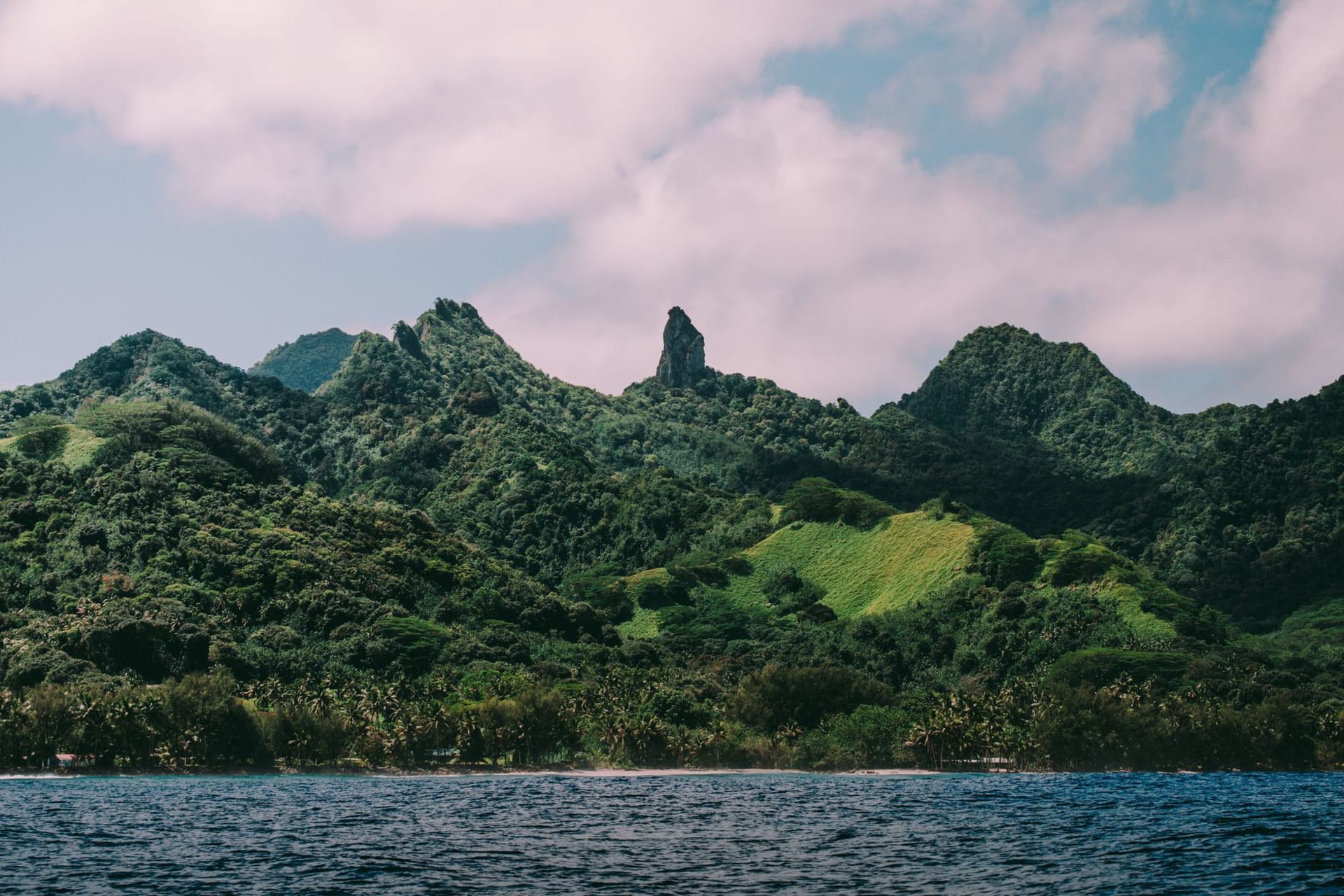
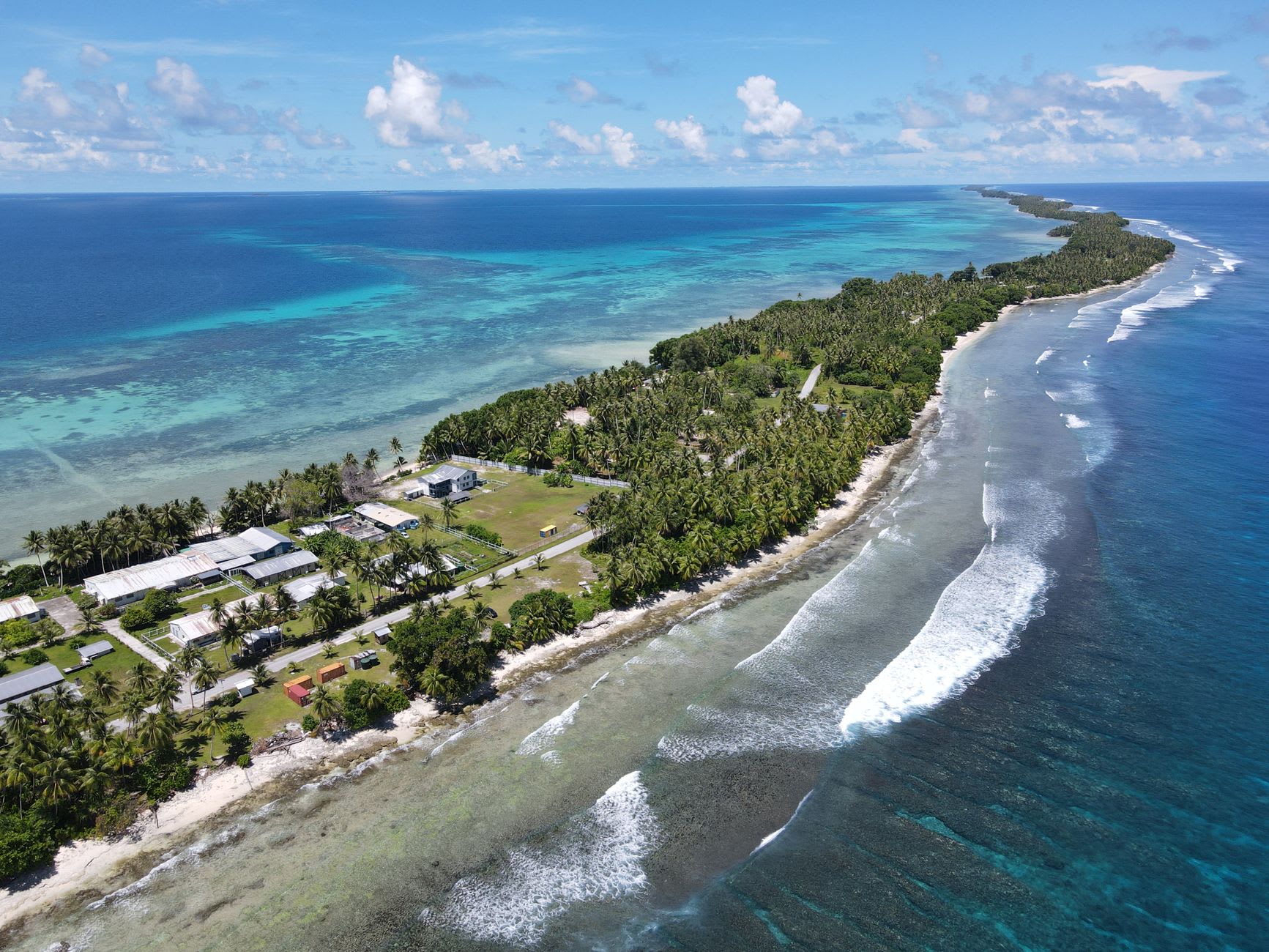
The flight from Rarotonga to Mauke is scheduled, which implies a kind of regularity that the weather does not always honour. When I finally arrived — delayed a day by cloud cover over the southern group — the airstrip was a strip of flat ground cut through jungle, and the welcome committee was the island’s one guesthouse owner, her teenage nephew, and a dog of uncertain breed who seemed to view the weekly plane as mild entertainment. The total journey from concept to arrival had taken the better part of three days when you factored in the weather, the wait, and the administrative particulars of booking a family guesthouse whose phone number was written in a notebook at a tourism office in Avarua. This is how remote Mauke is. It does not mean to be inaccessible. It simply has not made itself otherwise.
The island’s maraes — ancient stone ceremonial platforms, some dating back several centuries — are scattered through the interior, many of them partially reclaimed by jungle, overgrown with the kind of indifference that time applies to all previous arrangements. A local man named Ina took me to three of them over the course of a morning, walking paths between breadfruit and banana that seemed improvised but clearly were not. The maraes are not spectacular in the tourist-brochure sense — there are no towering columns, no dramatic scale. They are flat, carefully laid stones in the shape of platforms, their significance residing entirely in knowing what they were for, which Ina explained with the quiet accuracy of someone whose family used the same stones for the same ceremonies within living memory. There are also two churches at either end of the village — Catholic and Cook Islands Christian — whose congregations have maintained a cheerful rivalry for over a century, which Ina also explained, though with rather more animation.

The swimming is the revelation nobody mentions. Along the makatea at Mauke’s western side, natural rock pools have formed where the sea pushes through channels in the coral shelf — fresh and clean and startlingly cold compared to the lagoon water elsewhere. Vai Tango is the most famous, a deep pool connected to the ocean through an underwater tunnel, where the water is so clear that the light from above enters it in visible shafts and the fish below are counted with ease. I went in alone at seven in the morning and had it entirely to myself, and I floated in that cold clear light and listened to the ocean moving through the rock around me and thought about almost nothing, which is the optimal mental state for a Tuesday morning in the middle of the Pacific.
When to go: Mauke is a destination for the genuinely committed — the thrice-weekly flights are small and weather-dependent, accommodation is limited to two or three family guesthouses, and the island moves at a pace that rewards patience over itinerary. Come in the dry season, May through September, for the best weather. Plan for flexibility in your departure dates. Bring a book. Bring a better book as backup.