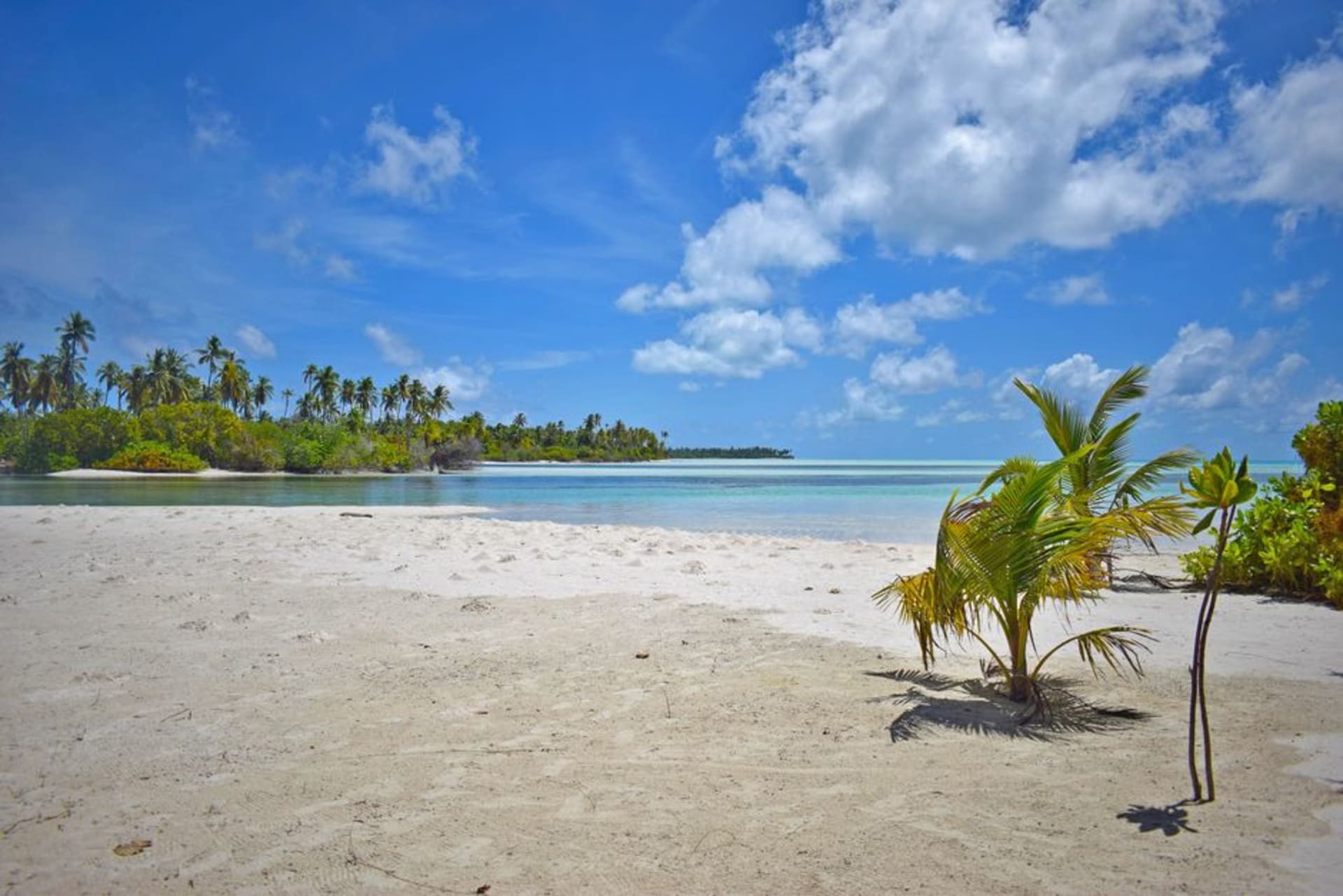
Manihiki
"The lagoon here doesn't just look like something worth protecting. It's the family business."
The pearl atoll of the northern Cook Islands, where black-lipped oysters are farmed in a vast lagoon and entire families still free-dive for a living.
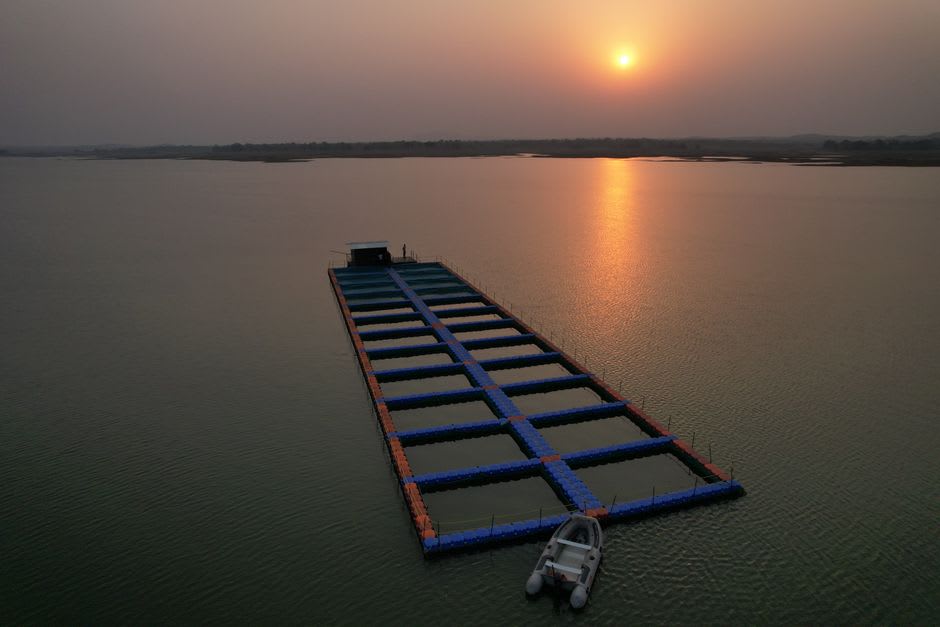
Manihiki sits far enough north that it belongs to a different weather system than Rarotonga, and the flight up — one of the more sporadic domestic routes in the country — reveals why the moment you descend: an almost perfectly enclosed lagoon, twenty-odd kilometres across, dotted with what I first mistook for fishing buoys and later learned were the floats of black pearl farms. Manihiki produces some of the finest black pearls in the Pacific, and the entire economy and rhythm of the island bends around that fact in a way I found genuinely absorbing to watch up close.
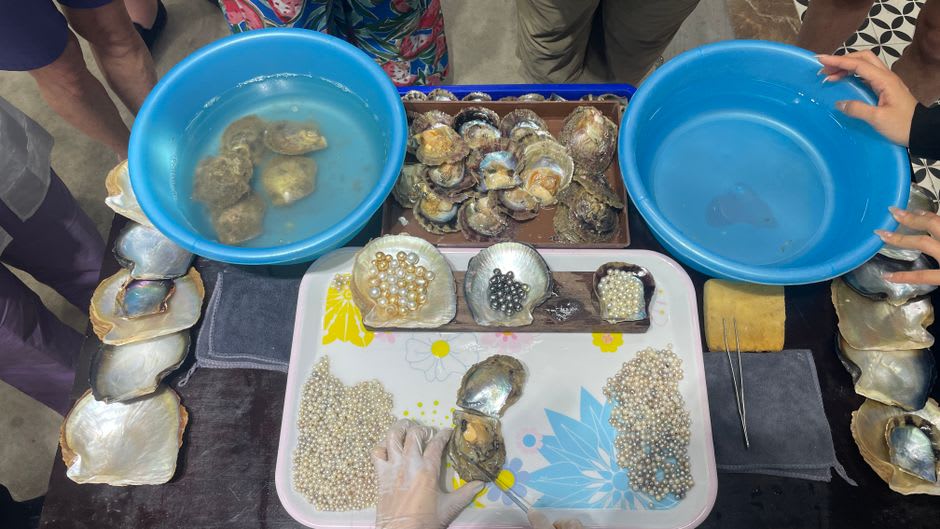
I spent a morning out on the lagoon with a farming family, motoring between long lines strung with oyster shells hanging just below the surface. The work is patient and repetitive in a way that looked almost meditative from the boat — checking shells, cleaning them of algae, occasionally hauling one up to show me the mother-of-pearl lining glowing faintly even in flat daylight. Harvesting the pearls themselves happens only periodically, and I wasn’t there for a harvest, but the family let me hold a loose handful of graded pearls from a previous season: uneven, oddly shaped, deeply lustrous, nothing like the perfect round pearls you see set in jewellery store windows, and somehow more beautiful for it.
The two villages, Tauhunu and Tukao, sit on opposite motus and share a friendly, decades-old rivalry that shows up mostly in church choir competitions and the occasional dispute over lagoon boundaries. I stayed in Tauhunu, in a guesthouse run by a woman who had been diving for shell as a teenager and now ran the pearl side of the family business from a small office off her kitchen. She talked me through how a cyclone in the early 1990s had wiped out most of the farms and how the community rebuilt the entire industry from almost nothing, motu by motu, line by line. It’s not a story that gets told outside the island much, and it should be.
When to go: Flights to Manihiki are limited and weather-sensitive, so build slack into any itinerary. The dry season from May to October is more reliable for both flights and calm lagoon conditions for diving or snorkelling among the pearl lines.