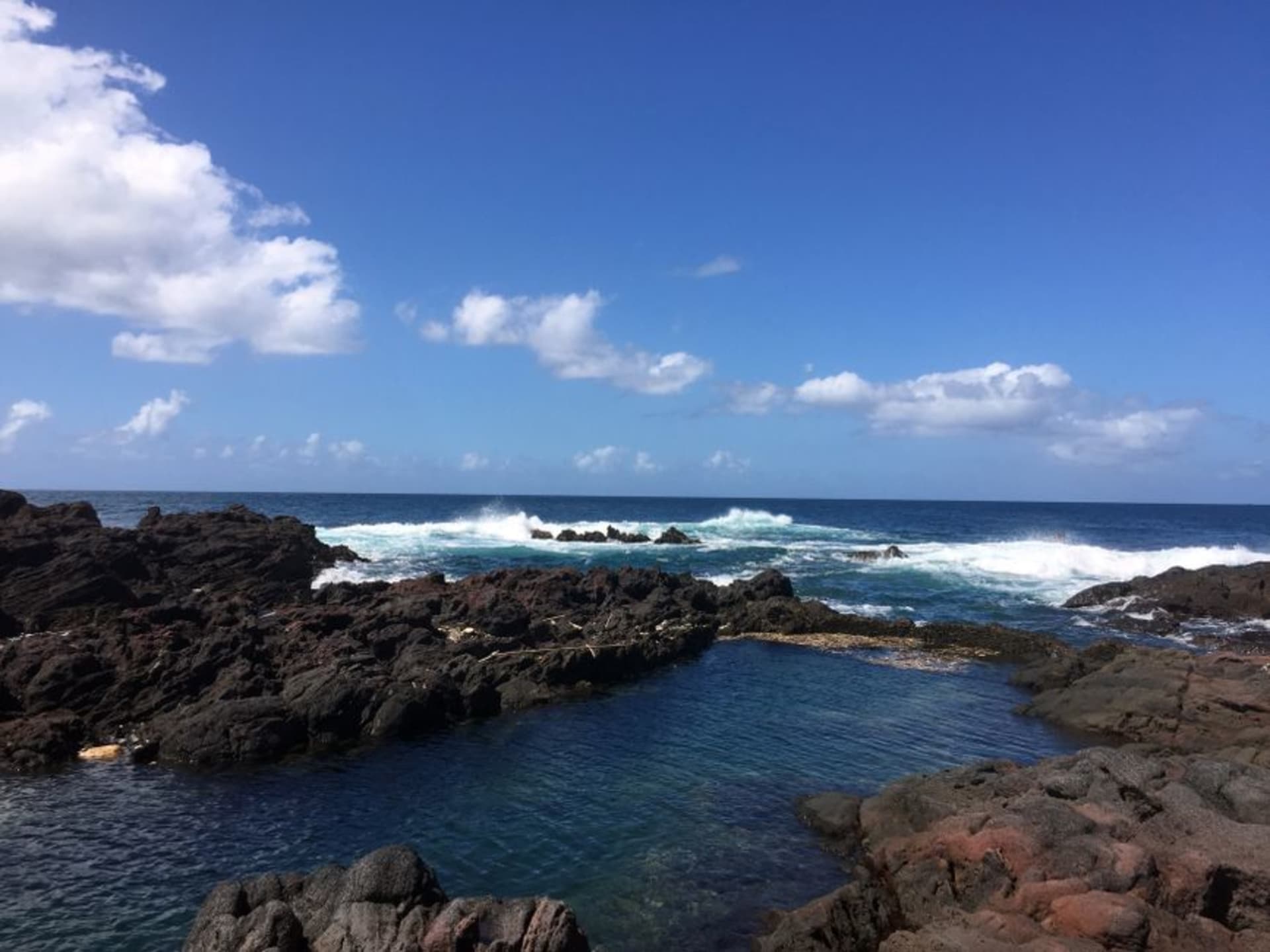
A tidal rock pool punched into black volcanic cliffs near Itsandra, where local legend and the Indian Ocean meet in the same breath.
Our taxi driver from Moroni wouldn’t tell us exactly where to park — he just pointed past a stand of coconut palms toward a break in the cliffs and said we’d know it when we heard it. He was right. Before we even saw the pool, we heard the water exhaling through the basalt, a low percussive whoosh that Lia said sounded like the island itself breathing. That’s Trou du Prophète: a natural rock pool and blowhole carved into the volcanic cliffs near Itsandra, on Grande Comore, where the tide pushes seawater through channels worn smooth over who knows how many centuries.
A young guy selling grilled corn near the path told us the story before we’d even asked — that the hollow bears the footprint of the Prophet Muhammad, and that’s where the name comes from. I’m not one to argue with a place’s own mythology, and standing at the edge of that dark stone basin, feeling the spray on my face, it wasn’t hard to understand why someone long ago decided this spot deserved a sacred story. It’s not just a swimming hole. It’s a place people still visit for what it means, not only for what it looks like.
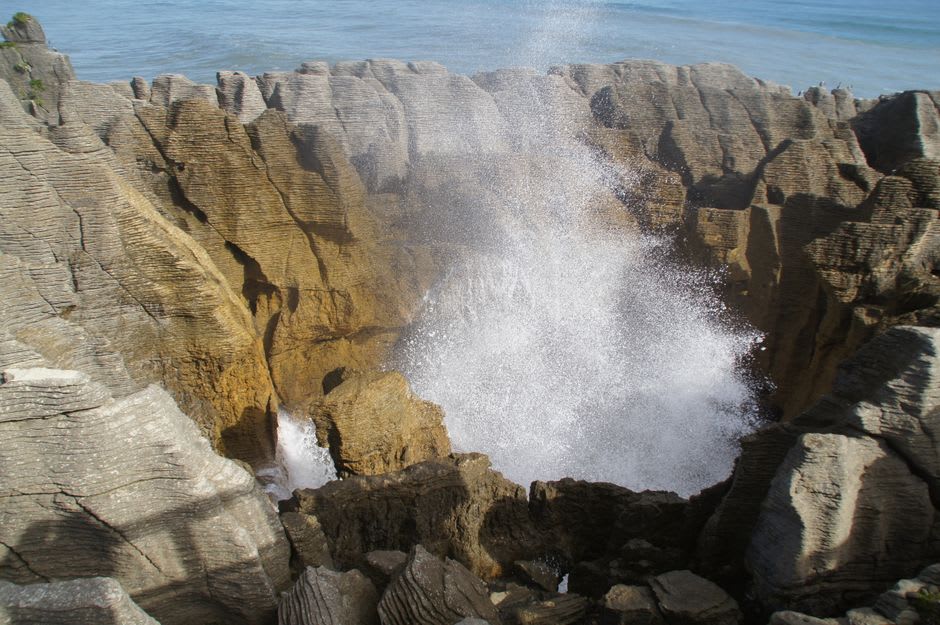
What struck me most, once I stopped being distracted by the drama of the blowhole, was the rock itself — that deep, almost blue-black basalt, still sharp in places, like it hadn’t had time to soften. It hasn’t, geologically speaking. Grande Comore is a shield volcano built by Mount Karthala, one of the most active volcanoes in the world, and this whole coastline is essentially frozen lava that the ocean has spent millennia reshaping. Lia, who studied geology before she gave it up for photography, kept crouching down to touch different sections, narrating the island’s violent, unfinished origin story like she was reading a novel out loud.
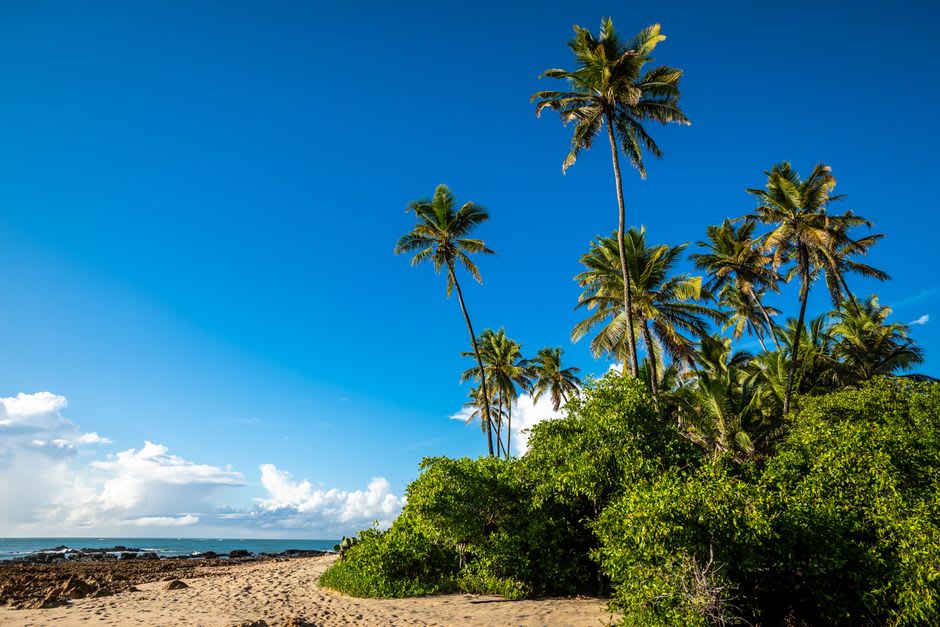
We swam a little that afternoon, timing our dip carefully with the tide, and afterward walked the short stretch to Itsandra Beach for cold Fantas and shade under the leaning palms. It’s one of my favorite kinds of Comorian afternoon: equal parts geology lesson, folklore, and saltwater.
When to go: We went in July, right in the dry season that runs from May to October, when the seas are calmer and it’s genuinely safer to get close to the tidal pools — outside that window, the swells make the approach a lot more reckless than the blowhole already feels.