
Ntingui Peak
"Somewhere around the third hour of climbing Ntingui, soaked through and swatting at things I couldn't identify, I asked our guide how much farther and he just smiled and said 'encore un peu.'"
Anjouan's highest point, a rainforest-cloaked summit where the trail crosses ylang-ylang groves before disappearing into cloud forest and coffee plantations.

Nobody warned me Ntingui would be this much of a workout, and in hindsight I should have guessed from the way our guide Idi laughed when I asked if we needed proper hiking boots. We started before dawn from a village outside Ouani, Lia zipping her rain jacket against a mist that hadn’t decided whether it was fog or drizzle, and within twenty minutes we were walking through ylang-ylang groves, the sweet, almost medicinal smell of the flowers thick enough to taste. Anjouan grows a huge share of the world’s ylang-ylang for perfume, and smelling it at the source, still on the tree rather than distilled in a bottle, completely changed how I think about it.
The trail climbs fast and doesn’t apologize for it. After the ylang-ylang groves came patches of coffee under shade trees, then banana plots tended by families who waved at us without breaking stride from their work, and eventually the cultivated land gave way entirely to real rainforest — thick, dripping, genuinely wild in a way that surprised me on an island this size. Roots crossed the path like tripwires, and at one point Idi stopped us to point out a comoro flying fox gliding between the canopy overhead, wingspan wider than I expected from something I’d only ever pictured as a bat.

By the time we broke out near the summit, at just over 1,500 meters, we were both soaked with sweat and rain in equal measure and I’d stopped caring about my supposedly waterproof boots. The view, when the cloud briefly cleared, was worth every miserable step: the whole spine of Anjouan laid out below, other ridgelines disappearing into mist, and somewhere far off the glint of the Indian Ocean. It didn’t last more than a few minutes before the cloud swallowed everything again, but Lia and I just stood there grinning like idiots, because you don’t get many moments like that.

What stuck with me afterward wasn’t really the summit itself, but how much forest survives up there against the odds. Idi told us, without much drama, how much of Anjouan’s lowland forest has been cleared for farming over the decades, which makes the remnant cloud forest around Ntingui feel less like scenery and more like something worth defending. We came down exhausted, legs shaking on the steep bits, and ate a huge plate of rice and octopus in the village that evening that tasted like the best meal of the trip purely because we’d earned it.
When to go: Aim for June through October, during the dry season, when the trail is less of a mudslide and you actually have a decent shot at clear summit views.
Keep exploring
More from Comoros
 comoros
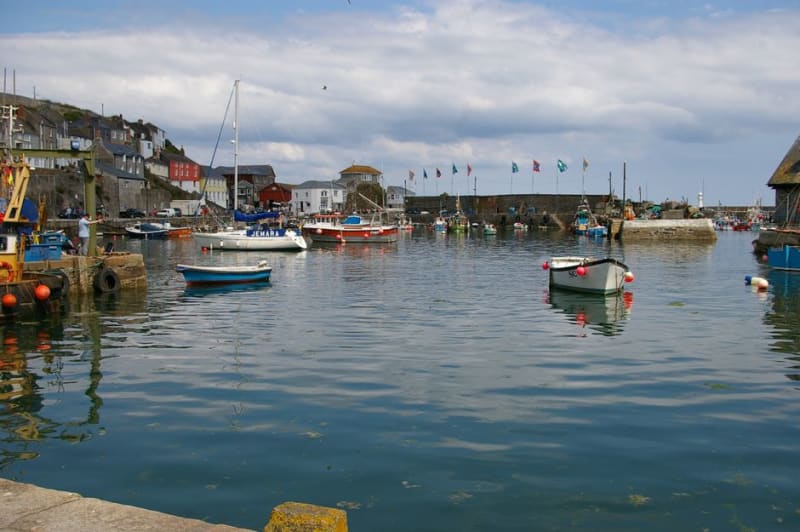
Ouani
Anjouan's low-key port town and air gateway, where fishing boats crowd the harbor a few minutes from the island's airstrip.
Explore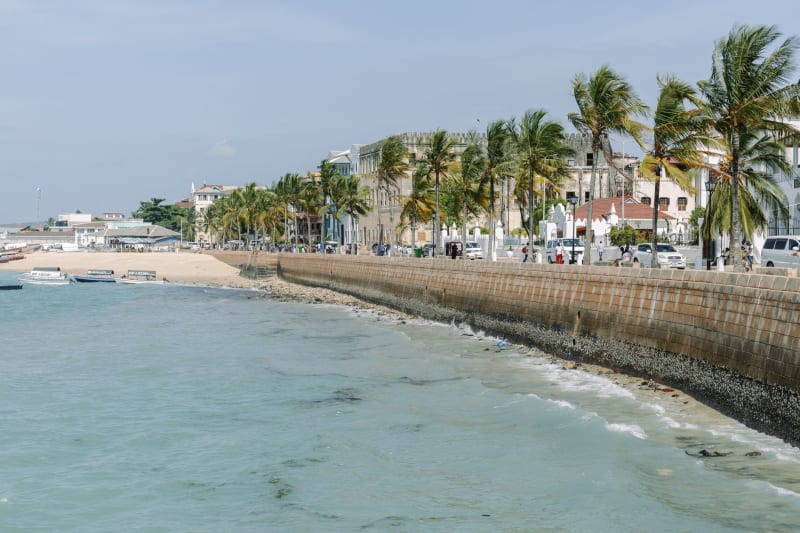 comoros
Sima
A highland village on Anjouan's western coast where ylang-ylang is distilled in copper stills and waterfalls thread through terraced hillsides no guidebook mentions.
Explore comoros
Trou du Prophète
A tidal rock pool punched into black volcanic cliffs near Itsandra, where local legend and the Indian Ocean meet in the same breath.
Explore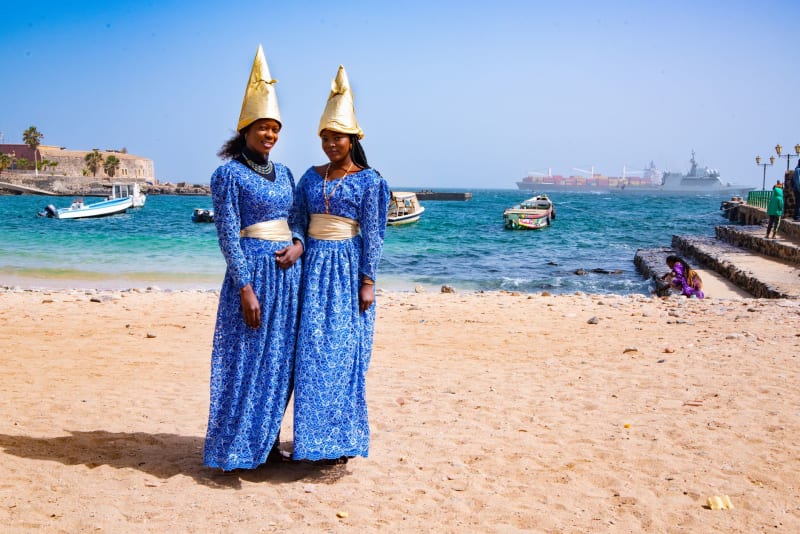 comoros
Chindini
A remote fishing village on Grande Comore's southern tip where black lava meets the Indian Ocean and the road stops before the landscape does.
Explore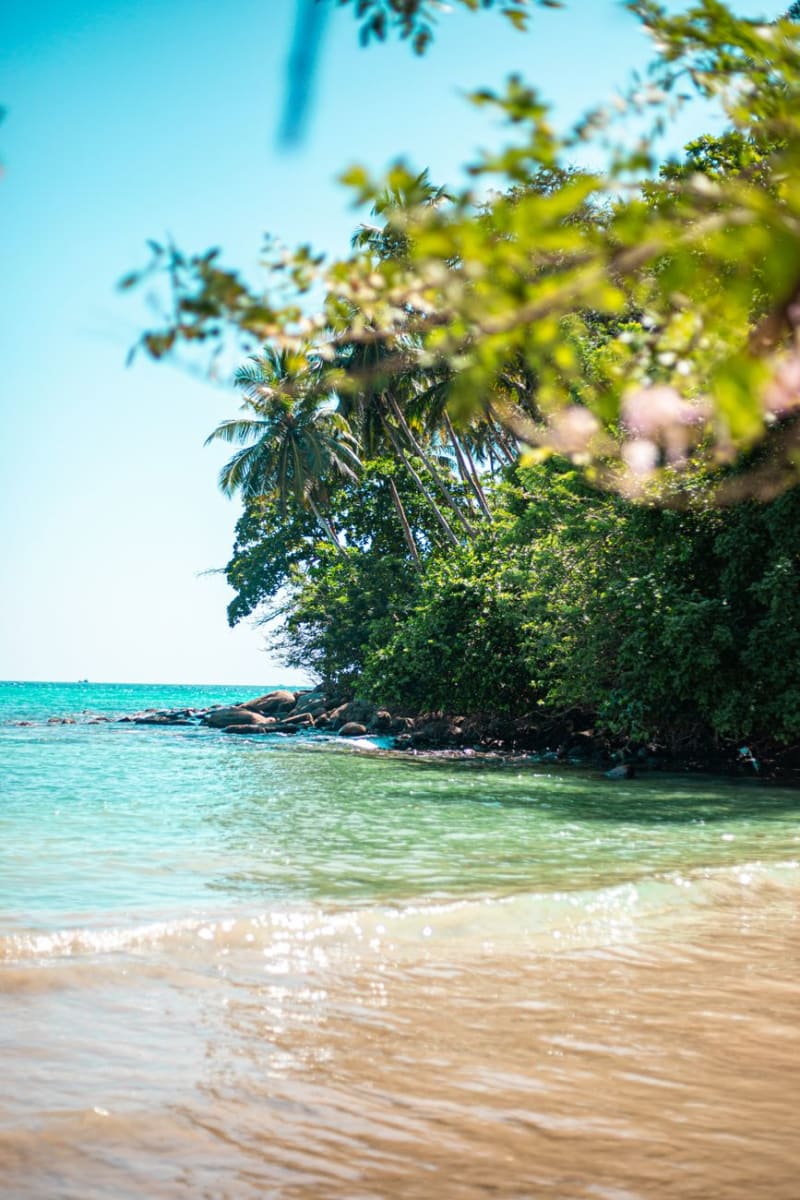 comoros
Chomoni Beach
A wild black-and-white beach on Grande Comore's east coast, where pale sand meets fingers of old black lava and almost nobody else shows up.
Explore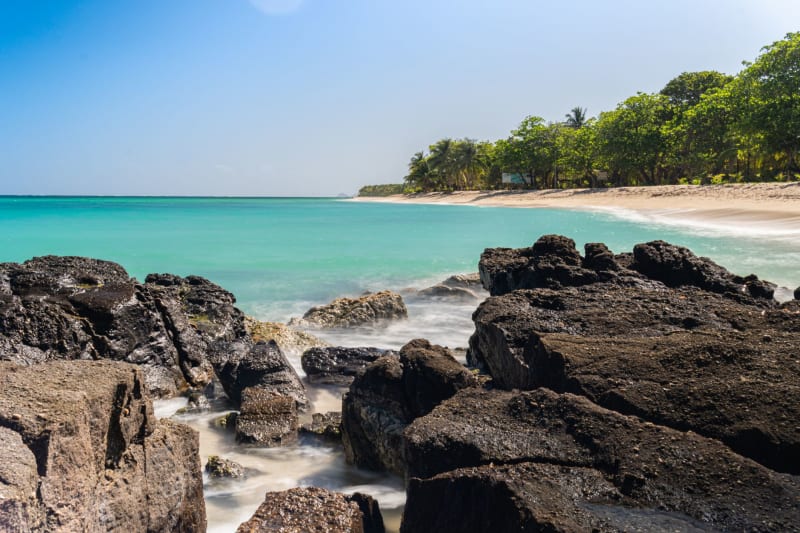 comoros
Domoni
An ancient sultanic capital on Anjouan's eastern coast, quietly crumbling into the sea with the dignity of a place that was once the most powerful city in the archipelago.
Explore