Nioumachoua
"Some places don't need convincing you to slow down — Nioumachoua just makes the decision for you."
A fishing village on Mohéli's southern coast where wooden galawas still outnumber engines and green turtles nest just offshore.
We got to Nioumachoua the way I think most people probably do: tired, sun-cooked, and not entirely sure the dirt road we’d been bouncing along for the last hour of the drive from Fomboni actually led anywhere. Then the trees opened up and there was the bay, dotted with these low green islets sitting in water so calm it looked poured rather than settled. Lia grabbed my arm before I’d even parked. Mohéli is the smallest of the three main Comoros islands, and Nioumachoua sits right at its southern edge, a fishing village that also happens to be the front door to the Mohéli Marine Park — the country’s first marine protected area, set up back in 1998.
What struck me first wasn’t the water, though, it was the boats. Rows of galawas pulled up on the sand, these narrow wooden hulls that fishermen here have been building and repairing by hand for generations. A man named Ahmed, who ended up taking us out the next morning, showed me the inside of his — patched in three places, still watertight, still his father’s design. He didn’t seem to think this was remarkable. To him it was just how a boat gets made.
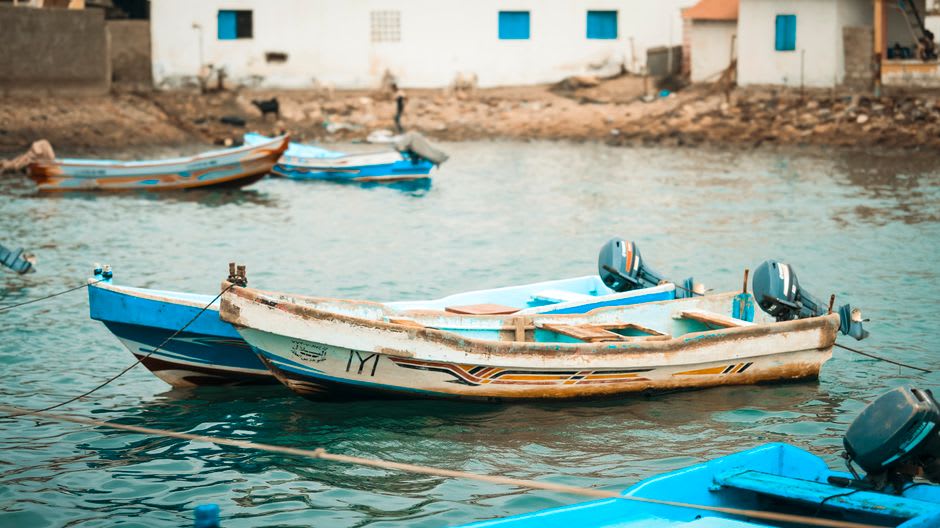
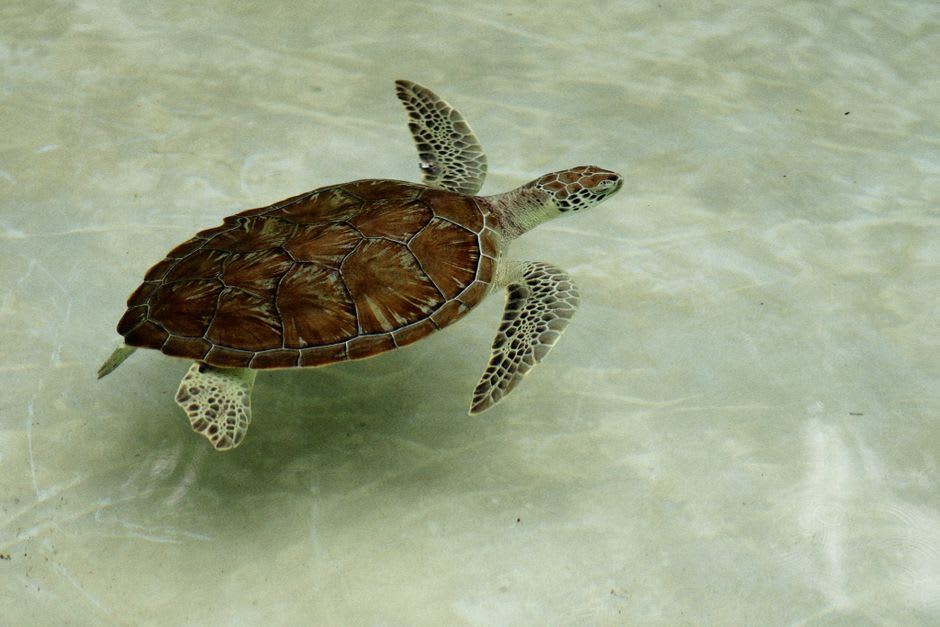
The marine park itself exists mostly because of the green sea turtles that nest on the beaches around the Nioumachoua islets, and the reefs that ring them. What I didn’t expect was how present the local fishing community is in actually running the place — this isn’t a park imposed from outside and patrolled by strangers, it’s co-managed by the villagers themselves alongside a few international NGOs, a setup people in conservation circles apparently point to as one of the earlier examples of community-based marine protection in this whole part of the Indian Ocean. Ahmed talked about turtle patrols the same way he talked about fishing seasons — just part of the rhythm of the place, not a separate cause bolted on top of it.
We spent an afternoon snorkeling off one of the islets, and I’ll admit I got distracted watching a turtle graze on seagrass longer than I watched anything actually colorful on the reef. Lia surfaced at one point just laughing, mask fogged, pointing at nothing in particular — that kind of happy you can’t really explain afterward. On the boat back, the light went that late-day gold that makes even a five-minute crossing feel like the whole point of the trip.
When to go: May through November is Mohéli’s cooler, drier stretch, and it’s the window we’d recommend — the seas around the islets settle enough for comfortable boat trips, and turtle-nesting activity tends to be easier to spot along the beaches during those months.
Keep exploring
More from Comoros
 comoros
 Sima
A highland village on Anjouan's western coast where ylang-ylang is distilled in copper stills and waterfalls thread through terraced hillsides no guidebook mentions.
Explore comoros
 Trou du Prophète
A tidal rock pool punched into black volcanic cliffs near Itsandra, where local legend and the Indian Ocean meet in the same breath.
Explore comoros
 Chindini
A remote fishing village on Grande Comore's southern tip where black lava meets the Indian Ocean and the road stops before the landscape does.
Explore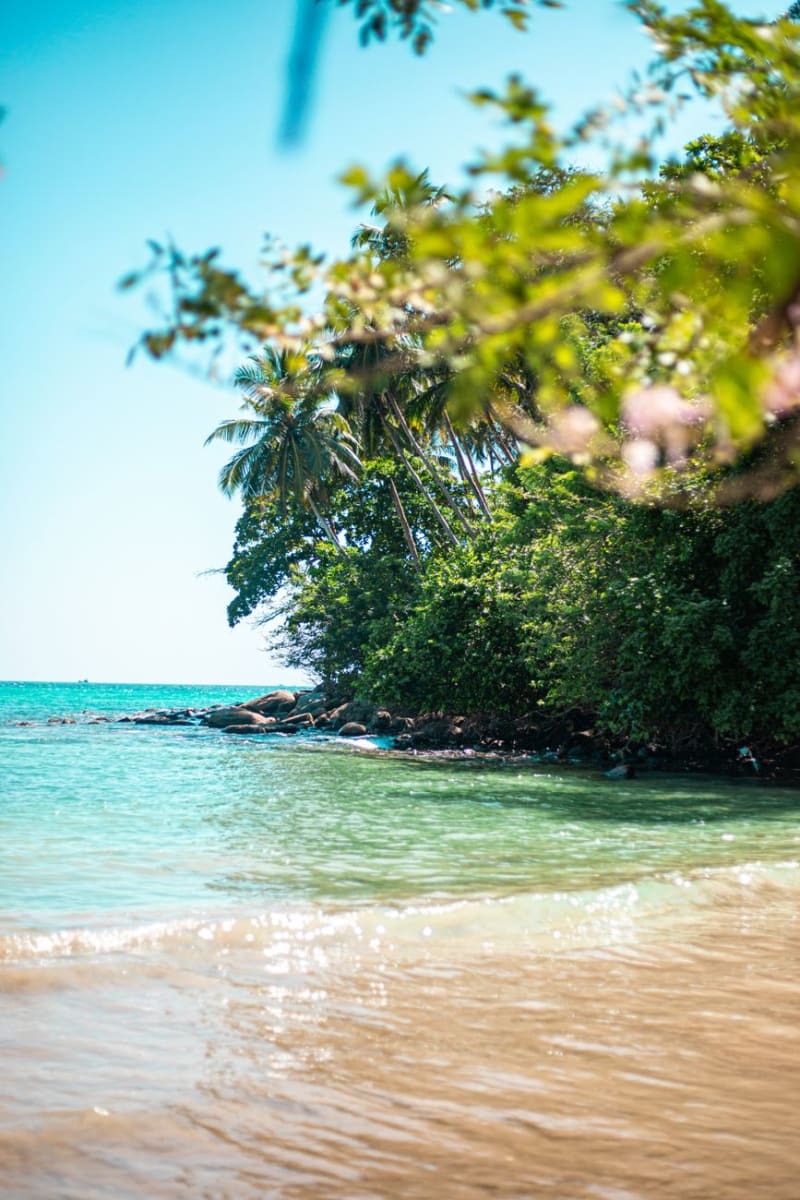 comoros
 Chomoni Beach
A wild black-and-white beach on Grande Comore's east coast, where pale sand meets fingers of old black lava and almost nobody else shows up.
Explore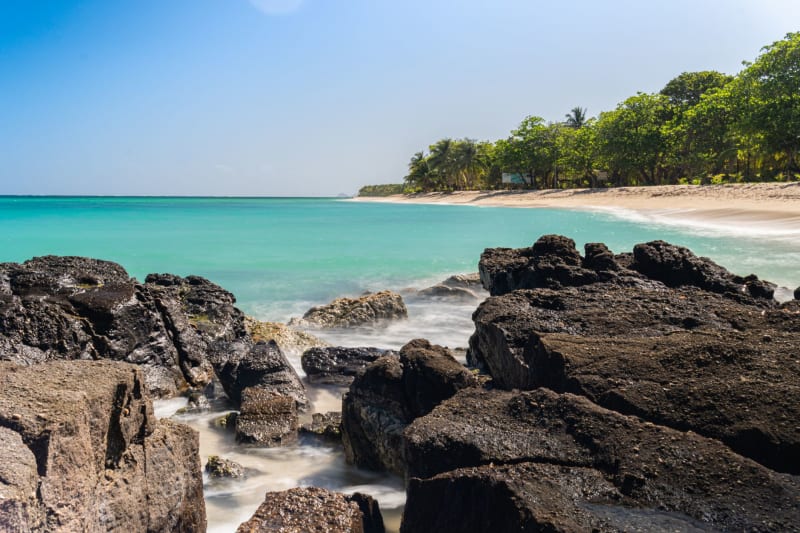 comoros
 Domoni
An ancient sultanic capital on Anjouan's eastern coast, quietly crumbling into the sea with the dignity of a place that was once the most powerful city in the archipelago.
Explore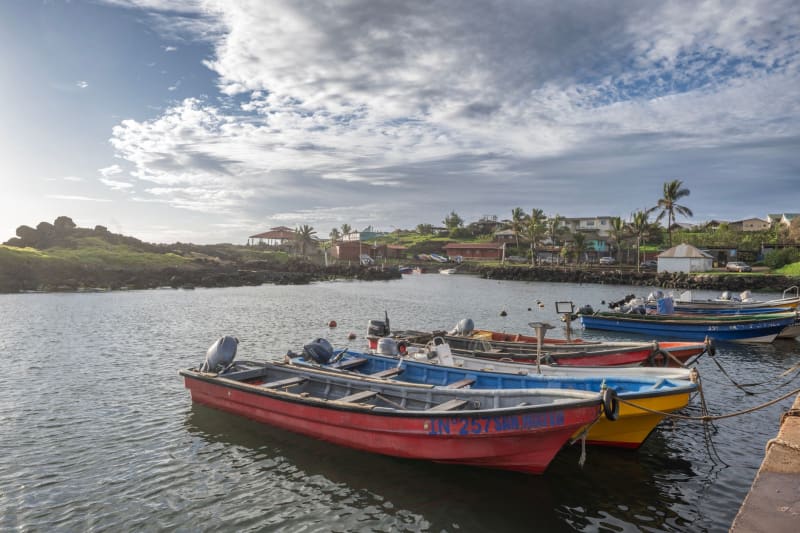 comoros
 Itsamia
A small village on Mohéli's southeastern coast where green turtles nest in staggering numbers and the community protects what tourism has not yet found.
Explore