
Lac Salé
"The lake is the colour of something that should not exist in nature. It exists in nature."
I found Lac Salé by accident, which is the best way to find things. I was on a shared taxi heading south from Moroni and the driver, unprompted, pulled over at the side of the road and pointed at a gap in the lava rock where a path descended. He held up two fingers and then held up money, which I understood to mean two hundred francs or two minutes or possibly both. I gave him two hundred francs and walked down the path and came out on the rim of a crater I had not known was there, looking down at a lake the colour of glacier water — a blue-green so vivid and specific that I stood for several seconds simply processing it.
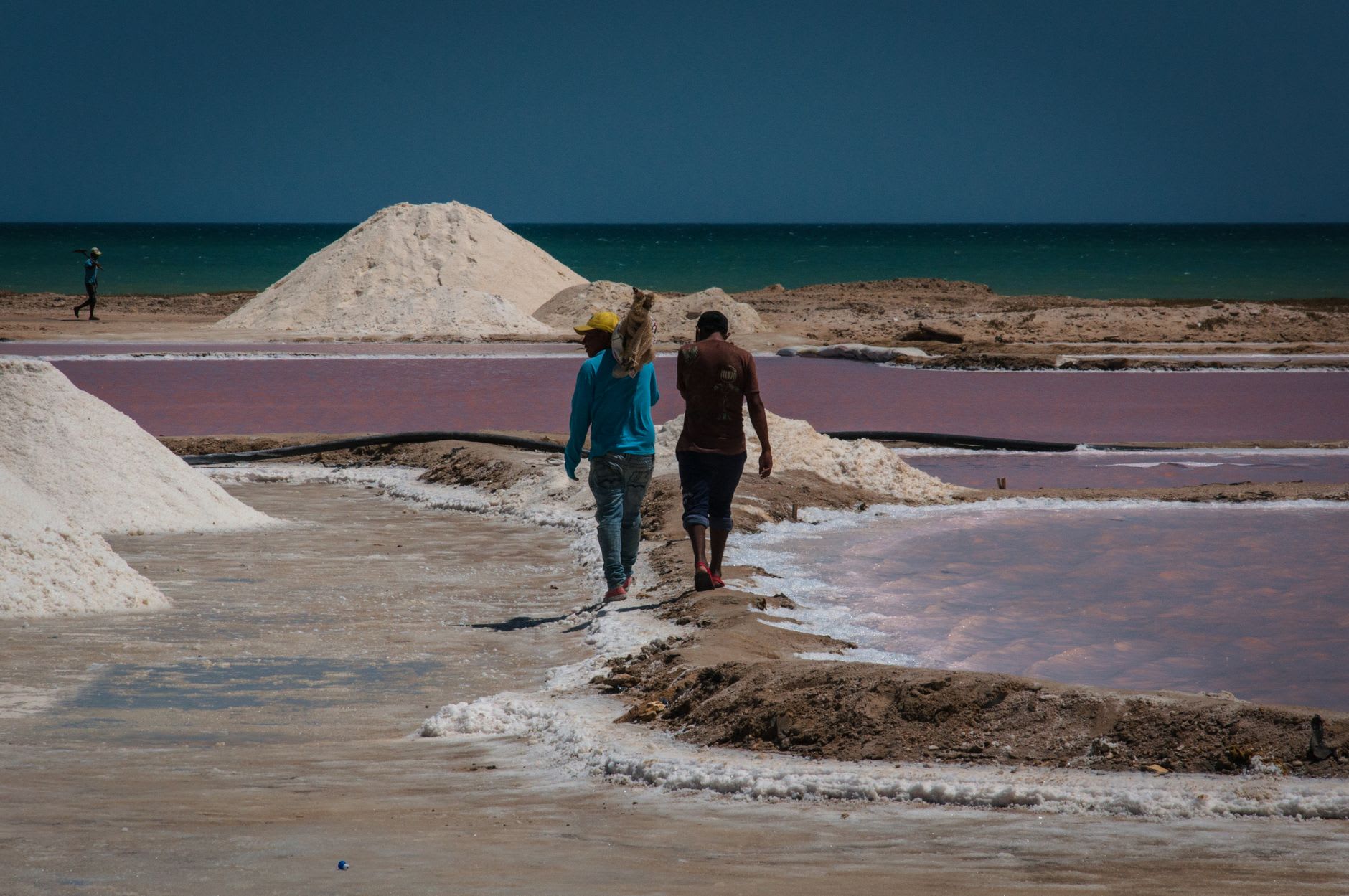
Lac Salé sits in a volcanic maar — a crater formed not by lava building upward but by an explosion of steam when magma met groundwater. The lake that formed in the bottom of that crater is saline and mineral-rich, which is why the water holds that particular colour, and why almost nothing lives in it. The walls of the crater are black lava, streaked with white mineral deposits, perfectly round in a way that seems too deliberate for geology. The path to the water’s edge descends through this lunar landscape with a rope handrail in the steeper sections, and when you reach the bottom the silence is remarkable — the road and the sea and the sounds of daily life on Grande Comore are entirely absent, replaced by a stillness that has the quality of being indoors somewhere very large.
The lake is not large — you could walk its perimeter in twenty minutes — and there is nothing to do at it beyond look, which is entirely sufficient. A few local people were swimming when I visited, which surprised me; the salinity makes you buoyant in a way that is immediately noticeable, and the temperature of the water at the surface was warmer than I expected, geothermally assisted. I swam briefly and lay on a flat rock at the water’s edge and watched the rim of the crater above me and thought about the violence of the event that had made this calm thing possible. Several million tonnes of rock, blown outward in a single moment of steam pressure. Then centuries of quiet, and now this lake, this colour, this silence.
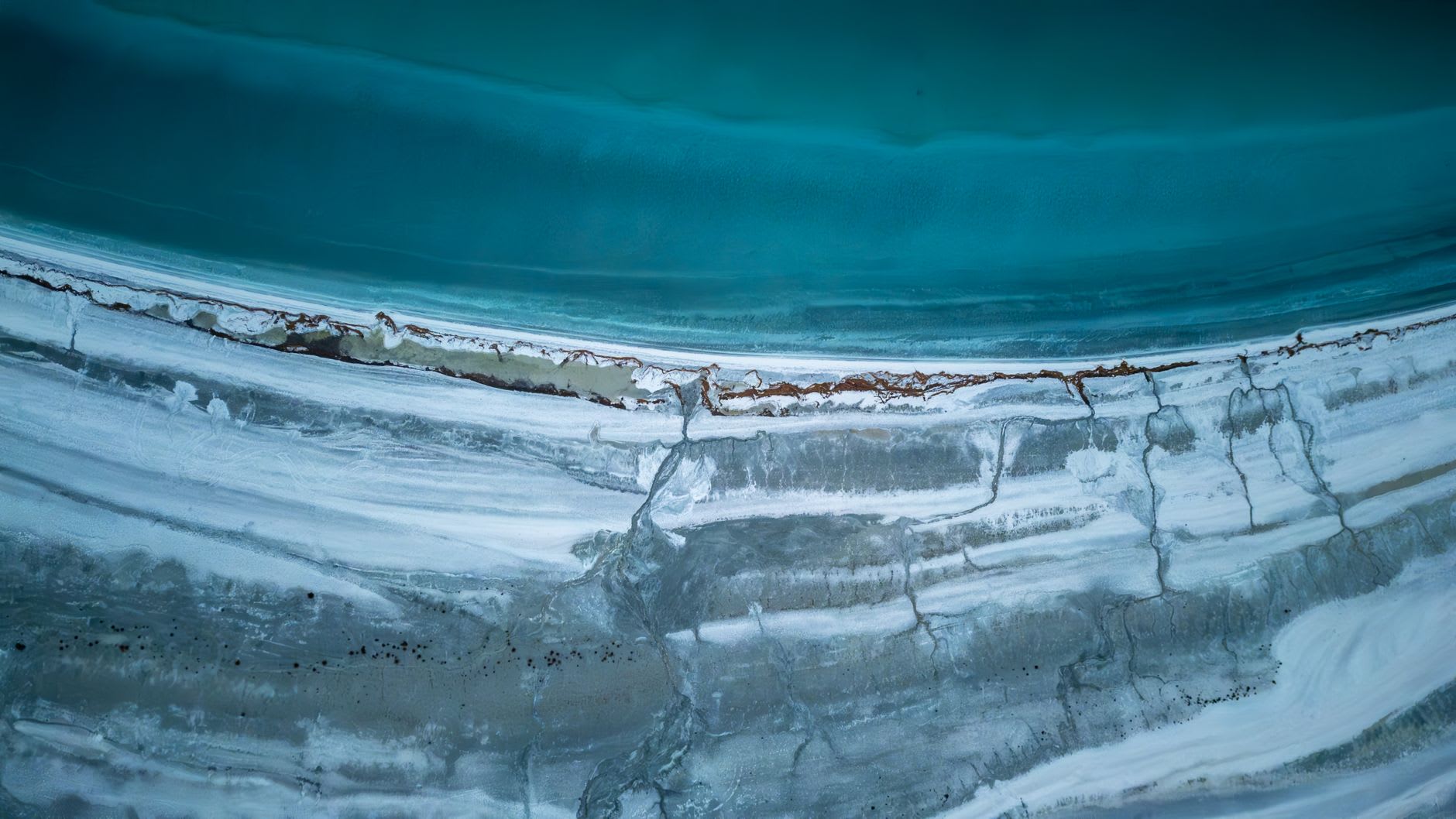
The crater is visible from the road only as a slight depression in the lava field — nothing announces itself, there are no signs, no facilities, no entrance fee though local people accept a small contribution if offered. The whole experience, from leaving the road to returning to it, takes about an hour. It is not a place that demands a full day, but it is the kind of place that insists you carry it with you afterward. The colour of that water stayed with me for weeks — a specific, improbable blue-green that I found myself comparing things against and finding them consistently lacking.
When to go: Lac Salé can be visited year-round, and being sunken into the earth it is somewhat sheltered from the seasonal winds. The descent is steep enough that wet conditions in the rainy season (November through March) make it somewhat treacherous; dry season visits are more comfortable. The lake is on the main road south of Moroni, and any shared taxi or bus heading south will pass it — simply ask the driver to stop at Lac Salé.